Discover our comprehensive collection of advanced electroplating chemistries and passivation formulations engineered for aerospace, electronics, and automotive excellence.
In the competitive landscape of industrial surface finishing, finding the ideal balance between cost-effectiveness, cosmetic appearance, and superior corrosion resistance is a continuous challenge. Zinc Cobalt (Zn-Co) electroplating has emerged as a premier technology to address these requirements. Primarily developed as an alloy coating, it introduces a small, controlled amount of cobalt (typically 0.6% to 1.5% by weight) into the zinc matrix. This co-deposition fundamentally alters the crystal structure of the deposit, refining grain boundary density and creating a barrier that is significantly more robust than conventional pure zinc coatings.
The superior protective properties of zinc cobalt alloy coatings rely on sacrificial protection mechanisms. Zinc acts as an anode, corroding preferentially to protect the underlying steel substrate. The introduction of cobalt slows down the dissolution rate of the sacrificial zinc phase. Additionally, when combined with a post-treatment trivalent chromium passivation, the zinc-cobalt alloy produces a highly stable passivating film that prevents the propagation of zinc corrosion products (white rust), thereby delaying the onset of red rust by up to five times compared to standard acid or alkaline zinc plating systems.
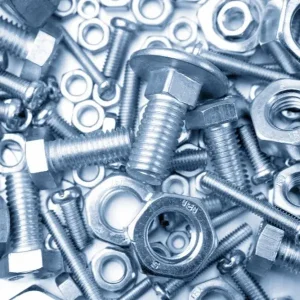
SEO Insight & Information Gain: While many suppliers group Zinc Cobalt and Zinc Nickel together, Zinc Cobalt excels in applications requiring high ductility, consistent torque-tension relationships (lubricated or unlubricated), and a thinner coating deposition (often in the range of 5 to 10 microns). This makes it highly sought after for critical threaded fasteners and complex configurations where dimensional tolerances are exceptionally tight.
| Property Parameter | Standard Acid Zinc | Alkaline Zinc-Cobalt (0.6%–1.2% Co) | Alkaline Zinc-Nickel (12%–15% Ni) | |
|---|---|---|---|---|
| Sacrificial Mechanism | Active / Fast Dissolution | Optimized Control / Slower Dissolution | Passive Barrier / Low Dissolution | |
| Ductility / Formability | Moderate | Excellent (Low stress) | Lower (Highly stressed) | |
| SST Resistance (White Rust) | < 24 - 48 Hours | 120 - 240 Hours | 240 - 480 Hours | |
| SST Resistance (Red Rust) | 120 - 240 Hours | 480 - 1000+ Hours | 1000 - 1500+ Hours | |
| Friction Coefficient Consistency | Variable | Highly Consistent (Ideal for Fasteners) | Highly Dependent on Lubrication |
Selecting a Zinc Cobalt plating supplier in China offers key strategic advantages for global procurement teams. China's chemical surface-finishing ecosystem has evolved from a low-cost manufacturing center into a hub of state-of-the-art technological innovation, supported by robust regulatory compliance frameworks.
Chinese suppliers, particularly those operating in established chemical industrial parks in the Yangtze River Delta and Pearl River Delta regions, benefit from proximity to raw material precursors. This integration helps insulate buyers from global market volatility. Suzou Hiyie Chemical manages these supply chain advantages to ensure consistent production schedules and stable pricing policies for global buyers.
Today's Chinese factories operate under strict environmental protection policies. Compliance with national standards like GB/T and global frameworks (such as RoHS and REACH directives) is standard practice. Modern plating plants utilize closed-loop water systems and zero-cyanide, trivalent-based plating formulations, ensuring that product quality complies with environmental standards in Europe, North America, and Japan.
Advanced manufacturing facilities in China feature fully automated hoist lines, real-time chemical dosing systems, and computerized control networks. These systems monitor parameters such as bath temperature, current density, pH levels, and alloy percentages. This level of automation reduces human error, yielding consistent quality, minimal thickness variation, and reliable adhesion properties across high-volume production batches.
The surface treatment industry is undergoing a digital and ecological transition. Procurement managers need to partner with suppliers that anticipate these technological shifts:
The selection of a zinc cobalt plating process is driven by the demands of the final application. By analyzing performance requirements across various regions and industries, we can identify several primary application scenarios:
In automotive hubs such as Germany, the US, and Japan, under-the-hood components are exposed to elevated temperatures, road salts, and moisture. Zinc Cobalt alloy plating, coupled with friction-modified sealers, provides the necessary protection to prevent red rust, while maintaining stable, predictable torque behavior during assembly line operations.
Modern communication towers and electronic enclosures require thin protective coatings that do not interfere with electrical conductivity or dimensional tolerances. Acid and alkaline zinc-cobalt processes offer excellent thickness control, typically depositing a uniform 5 to 8-micron layer that protects without affecting component assembly.
For industrial machinery operating in coastal or harsh chemical environments, zinc cobalt plating serves as a reliable primer before paint or powder coating application. It provides secondary sacrificial protection, stopping rust creep if the topcoat becomes scratched or damaged.
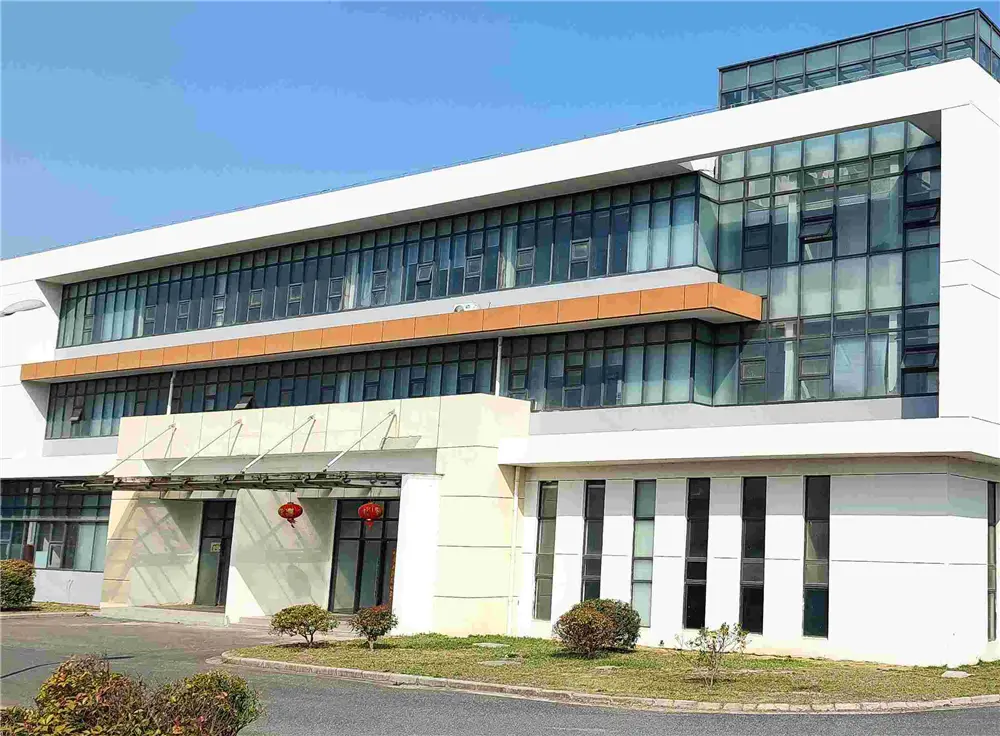
SUZHOU HIYIE CHEMICAL CO., LTD. offers a product portfolio that spans consumer electronics, communication equipment, the semiconductor industry, automotive hardware, craft gifts, and more. The company has collaborated with multiple domestic and foreign chemical companies and universities to establish a mobile R&D center dedicated to solving technical challenges in the surface finishing industry.
Since its establishment, Hiyie has set up R&D institutions in Wuhan and Shanghai. Its marketing network covers the Pearl River Delta, Yangtze River Delta, and Bohai Rim regions. Our products are widely used and recognized by leading domestic and international enterprises, including Foxconn Technology Group, Qinghai Salt Lake Group, Chint Group, Hongbao Group, Stanley Group, Shifeng Group, and others, earning the company a strong market reputation.
Our commitment to research, quality assurance, and technical support positions us as a preferred partner for international electroplating solutions.
We recruit and develop skilled technical, sales, and service professionals focused on customer success.
Our collaborative R&D setup allows us to formulate custom surface treatment chemistries to meet specific technical needs.
We focus on eco-friendly plating options, including trivalent passivations and cyanide-free systems.
Our support teams assist customers throughout the process, from setup through regular maintenance.
Stay updated on our activities, holiday schedules, and technology releases.

"The Snake ushers in blessings as we bid the old year farewell; The Horse brings spring as we embark on a new journey. The New Year bell rings the prelude to progress." As we step into a new operational year, Suzhou Hiyie Chemical continues to prioritize customer support, technological innovation, and sustainable chemistry options.
Technical answers to common questions about Zinc Cobalt alloy plating processes.
For most industrial and automotive applications, Zinc Cobalt plating is deposited at thicknesses between 5 to 15 microns. Thin coatings of 5 to 8 microns are preferred for components with close dimensional tolerances, such as threaded fasteners, while thicker coatings (12 to 15 microns) are used for heavy-duty hardware requiring higher corrosion resistance.
Zinc-Nickel (12–15% Ni) offers higher heat resistance and raw corrosion protection under salt spray testing, but is less ductile and harder to control for friction parameters. Zinc-Cobalt (0.6–1.5% Co) provides superior ductility and easy formability (ideal for parts crimped after plating), more consistent torque-tension properties, and is often a more cost-effective choice for general automotive fasteners.
Cyanide is highly toxic and presents significant environmental and safety risks. Modern plating processes, such as our 8315 Alkaline Cyanide-free Bright Zinc Plating chemistry, replace cyanide with non-hazardous chelating agents. This reduces waste treatment costs and helps manufacturers meet global environmental regulations like REACH and RoHS.
Yes, electroplating processes can introduce hydrogen into high-strength steels (tensile strength > 1000 MPa), leading to hydrogen embrittlement. To minimize this risk, parts undergo a post-plating baking process (typically 200°C for 4 to 24 hours depending on material class) immediately after plating and before the passivation step.
Modern specifications require trivalent passivations (Cr3+), which are available in blue, clear, or iridescent formulations (like our ZN-318 or 216 series). These coatings can be combined with topcoat sealers to customize friction properties, chemical resistance, and overall corrosion protection.
We offer a wide range of specialized surface finishing formulations, including nickel, copper, and electroless nickel systems, tailored to your technical requirements.
 HIYIE
HIYIE