Explore our elite collection of plating formulations, carriers, and passivations designed for extreme durability, automotive rigor, and semiconductor standards.
Technological shifts driving advanced barrier coatings and ecological compliance across global manufacturing landscapes.
Global environmental mandates, particularly under REACH, RoHS 3, and ELV regulations, have pushed the metal finishing sector to phase out hexavalent chromium chemistry. Modern processing integrates cobalt-free trivalent passivations to ensure safety compliance without sacrificing salt spray performance.
Stainless steel exhibits excellent chemical resistance, but when placed in contact with aluminum structures, severe galvanic corrosion occurs. Electrodeposited Zinc-Nickel alloy (12-15% Ni content) acts as a sacrificial barrier coating, neutralizing the galvanic potential difference and extending mechanical lifespans.
Alkaline cyanide-free zinc-nickel chemistries dominate automotive specifications because they offer exceptional thickness distribution across complex geometries. Recent breakthroughs in acidic zinc-nickel baths are closing the gap, providing faster deposition rates for high-strength wire and simple geometries.
This technical breakdown highlights how Zinc-Nickel Plating addresses mechanical limitations compared to traditional passivations and chrome alternatives:
| Treatment Technology | Typical Salt Spray (ASTM B117) | Galvanic Compatibility (with Al) | Hydrogen Embrittlement Risk | Environmental Profile |
|---|---|---|---|---|
| Alkaline Zinc-Nickel Alloy (12-15% Ni) | 1000+ Hours (No Red Rust) | Excellent (Self-Sacrificial) | Low (Relieved by Baking) | Eco-Friendly (Trivalent / Cyanide-Free) |
| Acid Zinc Plating | 250 - 400 Hours | Moderate | Moderate | Standard Trivalent Process |
| Electroless Nickel (High Phos) | 600 - 800 Hours | Poor (Cathodic Protection only) | Low | Restricted under heavy lead/cadmium bans |
| Chrome Plating (Hexavalent) | 800+ Hours | Poor (Highly Cathodic) | High | High Regulatory Restrictions (REACH) |
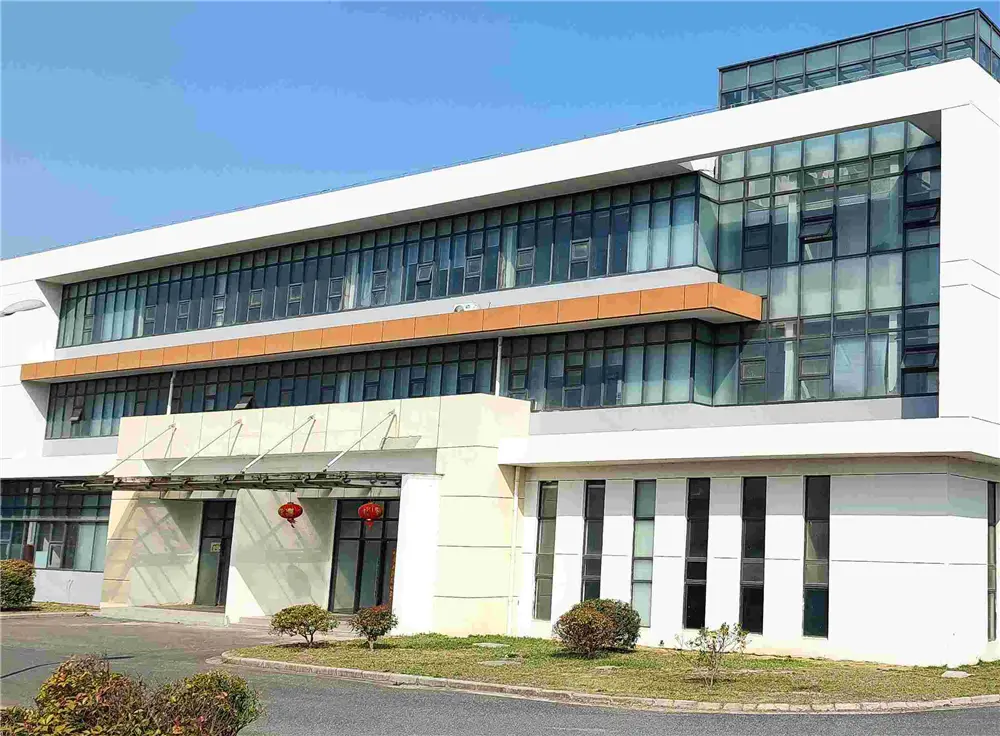
SUZHOU HIYIE CHEMICAL Co.,LTD has built a product portfolio that spans consumer electronics, communication equipment, the semiconductor industry, automotive hardware, craft gifts, and beyond. Through a collaborative research network, the company has partnered with multiple domestic and foreign chemical enterprises and academic institutions to establish a mobile R&D center dedicated to solving critical electroplating and metal finishing challenges.
Since our founding, we have established R&D institutions in Wuhan and Shanghai. Our extensive marketing network covers the Pearl River Delta, Yangtze River Delta, and Bohai Rim regions, providing responsive support directly to industrial hubs. Our products are widely utilized and recognized by leading multinational brands, including Foxconn Technology Group, Qinghai Salt Lake Group, Chint Group, Hongbao Group, Stanley Group, and Shifeng Group.
Meeting the strict technical specifications of Tier 1 automotive, defense, and high-tech supply chains.
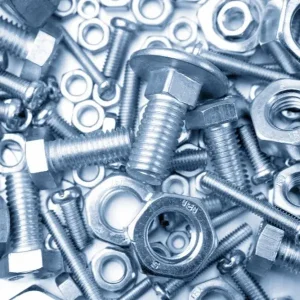
Our solutions conform to global standards including GM 4700, Ford WSS-M21P17, and Chrysler MS-90123. These coatings prevent white rust for over 240 hours and red rust for over 1000 hours, keeping fasteners, under-hood electronics, and structural brackets secure under harsh operating environments.
We work directly with consumer electronics giants like Foxconn to supply highly precise, low-thickness plating options that remain stable under thermal load. This minimizes contact resistance on connectors and improves fatigue life on sub-assemblies.
Our coatings serve as a critical replacement for toxic cadmium plating. Zinc-nickel alloy offers outstanding defense against bimetallic corrosion when stainless steel fasteners couple with aircraft aluminum hulls or offshore drilling hardware exposed to marine spray.
Global sourcing teams prioritize reliable raw material suppliers who offer complete lot traceability and consistent plating thickness. Standardized production setups face two distinct problems: *hydrogen embrittlement* and *poor thickness uniformity* in high-aspect-ratio holes.
To eliminate these bottlenecks, Suzhou Hiyie Chemical provides a complete chemical ecosystem—from alkaline zinc-nickel alloy additives that achieve excellent throw, to post-plating trivalent passivations that act as micro-sealants. This guarantees zero parts failure and keeps assembly lines operating seamlessly.
The technological foundation and logistics support behind our global partnerships.

We build and support dedicated service structures, integrating sales experts and chemical engineers to troubleshoot plating lines worldwide.

Our flexible R&D mechanism allows us to engineer custom formulations matching specific salt spray and coating thickness parameters.

We continuously update our chemical lines to meet strict environmental regulations, emphasizing trivalent, lead-free and cyanide-free processes.

Our technical pre-sale, sales, and post-plating support teams resolve application hiccups, line configurations, and process audits.
Engineering the future of metal surface treatment through sustainable development and material science.
To achieve consistent 12-15% nickel content in the alloy layer, real-time bath tracking is essential. Our technical roadmap incorporates digital dosing sensors and automated titration software designed to maintain stable ionic balances during batch runs.
By adding nano-engineered silica structures into trivalent passivations (such as ZN-318), we provide a self-healing layer. This active layer migrations over minor scratches and abrasions, preserving the zinc-nickel barrier even after physical handling.
High-tensile fasteners are susceptible to hydrogen-induced brittle failure. Our alkaline zinc-nickel process operates at high cathode efficiencies, which minimizes hydrogen absorption. This reduces post-plate baking cycles and increases reliability.
Expert technical answers to assist finish specifiers, quality managers, and procurement officers.
While stainless steel stands up well on its own, it can trigger severe galvanic (bimetallic) corrosion when coupled with dissimilar metals like aluminum in wet or marine environments. Applying a zinc-nickel alloy coating creates a sacrificial layer that balances the electrical potential, shielding the surrounding aluminum structural components from rapid decay.
The optimum nickel content in the plated alloy layer is between 12% and 15%. This structural ratio creates a gamma phase crystal structure, which provides the best possible corrosion resistance and ductility. If the nickel content falls below 12%, corrosion resistance drops; if it goes above 15%, the deposit becomes brittle, increasing the risk of cracking during bending or mechanical stress.
We mitigate hydrogen embrittlement through two methods: first, by optimizing our alkaline cyanide-free zinc-nickel electrochemistry to achieve high cathode efficiency, reducing hydrogen evolution. Second, we recommend a post-plate hydrogen-relief baking process (typically at 200°C for 4 hours minimum) immediately after plating and prior to applying any passivation layers.
Blue trivalent passivation (such as ZN-318) yields a clean cosmetic appearance with good corrosion resistance (typically 120+ hours to white rust). Iridescent trivalent passivation (such as 216) yields a slightly thicker protective film, delivering higher corrosion protection (240+ hours to white rust) with a characteristic yellow/green/pink sheen.
Yes. Our formulations, including the 6185 Alkaline Zinc-Nickel system and the 1149 Barrel Bright Nickel Plating process, are designed with specialized grain refiners and leveling agents that perform reliably in both bulk barrel rotations and rack plating lines.
Discover more specialized chemical compounds engineered for high-durability surface coatings and anti-corrosive finishes.
Follow our journey of technical innovation and operational growth.
 HIYIE
HIYIE