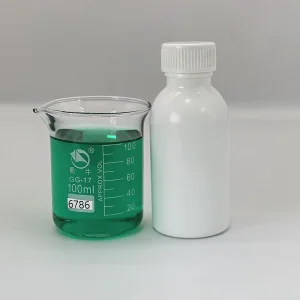
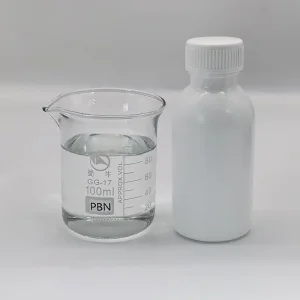
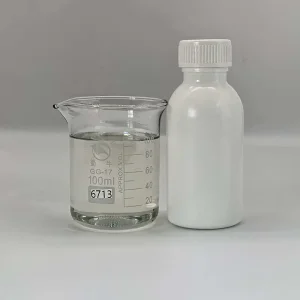
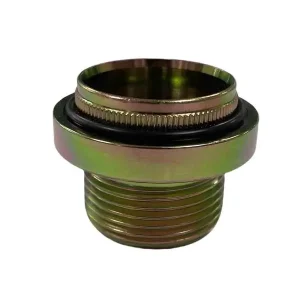
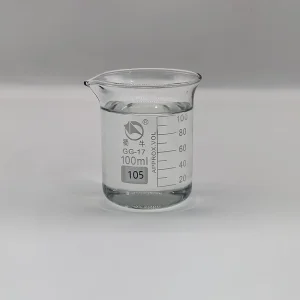
Explore our premium grade chemical concentrates, passivations, and electroplating systems designed to maximize rust resistance, layer adhesion, and decorative brilliance on iron and steel substrates.
Understanding the micro-chemical shifting requirements in mechanical engineering and high-exposure environment protection.
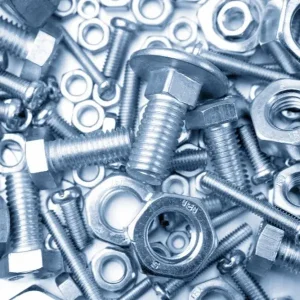
In modern manufacturing, raw iron and carbon steel components dominate structural engineering, automotive assemblies, and consumer infrastructure. However, the thermodynamic vulnerability of iron leads to rapid oxidation (rusting) when exposed to oxygen and humidity. Zinc plating on iron acts as the premier industrial response, providing both a physical barrier and a sacrificial galvanic anode that corrodes preferentially to protect the structural base.
Valued at over USD 15 billion globally, the electroplating and surface treatment sector is undergoing massive consolidation. Automotive manufacturers, global logistics chains, and major electrical grid equipment providers are shifting focus towards high-salinity tolerance coatings, hexavalent chromium elimination (REACH and RoHS mandates), and minimized coating thicknesses with superior performance. Asia-Pacific stands as the epicenter of manufacturing output, while strict EU regulations dictate that raw material formulations must adapt to non-toxic, highly customizable processing cycles.
Cyanide-free alkaline baths and trivalent chromium passivations have evolved from "optional alternatives" to mandatory protocols. Global compliance structures require high-performance, non-toxic formulations that match historical corrosion resistance standards without creating destructive chemical waste profiles.
Standard zinc coatings are increasingly augmented or replaced by Zinc-Nickel (Zn-Ni) co-deposition (typically targeting 12-15% Nickel content). This provides up to ten times the corrosion resistance of simple zinc finishes, designed specifically for extreme automotive and heavy marine machinery installations.
High-tensile iron castings and structural steels run a critical risk of hydrogen entrapment during chemical pre-treatment and electrodeposition. Modern chemical additives and strict post-plating thermal baking protocols are essential to protect the mechanical strength of safety-critical fasteners.
A data-driven benchmark evaluating different surface finishing pathways on iron substrates to optimize selection metrics.
| Plating Type / Process | Corrosion Resistance (Neutral Salt Spray) | Primary Application Profile | Environmental & Regulatory Status | Cost vs. Complexity Metric |
|---|---|---|---|---|
| Alkaline Zinc-Nickel Plating (e.g., 6185 System) | 1000+ Hours (White Rust: 240h+) | Automotive under-hood, marine hardware, aerospace linkages | Excellent. Free from Cyanide, RoHS/REACH Compliant | Medium-High cost / High-precision control |
| Alkaline Cyanide-Free Zinc (e.g., 8315 System) | 240 - 400 Hours (Depending on passivation) | General hardware, stampings, wire goods, chassis frames | Highly safe. Eco-friendly alternative to old cyanide systems | Low-Medium cost / Moderately complex |
| Semi-Bright & Pearl Nickel (e.g., FS100, PBN) | Highly customizable barrier coat | High-end consumer electronics, decorative trim, base layer | Requires strict heavy metal recovery controls | Medium cost / Excellent leveling capabilities |
| Electroless Nickel (e.g., HITEC High/Mid Phos) | Excellent chemical and wear resistance | Semiconductors, oil/gas valves, precision internal dimensions | Highly stable, uniform deposit regardless of geometry | High cost / Auto-catalytic control required |
While Nickel coatings act as exceptional barrier shields, any micro-fissure or scratch in the nickel layer will focus galvanic corrosion directly onto the underlying iron substrate, accelerating rust. Conversely, Zinc and Zinc alloys function electrochemically to protect the exposed iron first. This sacrificial action makes zinc-nickel and zinc passivation the standard choice for moving parts and components exposed to abrasive environments.
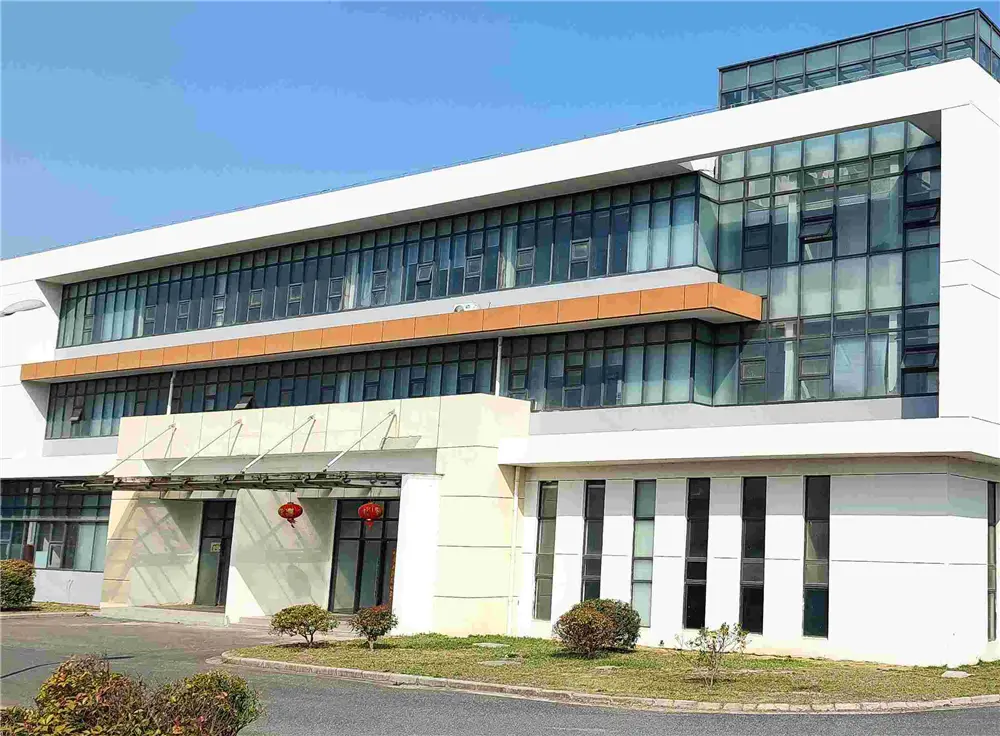
Established as a strategic partner to the global industrial finishing community, Suzhou Hiyie Chemical Co., Ltd. offers a diverse chemical product portfolio. Our technological applications support consumer electronics, telecommunications, semiconductor fabrication, automotive assemblies, and structural steel processing.
Rather than functioning merely as a dry chemical blender, Hiyie has built a mobile, dynamic R&D ecosystem in direct collaboration with major domestic and international universities. With dedicated laboratories in Wuhan and Shanghai, our team resolves technical surface finish failures directly on the production line.
Our formulations are trusted and recognized by major global enterprises, including Foxconn Technology Group, Qinghai Salt Lake Group, Chint Group, Hongbao Group, Stanley Group, and Shifeng Group. We bridge the gap between chemical synthesis and real-world assembly-line reliability.
An deep-dive analysis into deposition chemistry, passivation kinetics, and macro environmental engineering.
Traditional zinc baths relied heavily on free cyanide ions to act as complexing agents, ensuring uniform distribution over complex geometries. The transition to acid and alkaline cyanide-free chemistries required advanced synthetic carrier developments. Systems like the **8315 Alkaline Cyanide-Free Bright Zinc Plating** utilize proprietary organic polymer matrices that temporarily adsorb onto high-current-density peaks. This prevents burning and forces metal ion deposition into low-current recessions, yielding highly uniform, ductile coatings across complex shapes.
Following electrodeposition, raw zinc is highly active and will produce white zinc oxide rapidly when exposed to humidity. Modern post-treatment uses trivalent chromium systems like the **ZN-318 Blue Trivalent Passivation** or **216 Iridescent Passivation**. These chemicals dissolve a few nanometers of the deposited zinc layer, triggering a localized pH rise at the liquid-metal interface. This precipitates a protective, insoluble chromium-zinc hydroxide barrier film that blocks oxygen diffusion, extending salt spray life by hundreds of hours without using carcinogenic hexavalent chromium.
For demanding environments, basic zinc is upgraded to zinc-nickel alloy plating. Codepositing 12% to 15% nickel into the zinc crystal lattice fundamentally changes the sacrificial behavior of the coating. The resulting Zn-Ni phase behaves as a more stable barrier with a lower corrosion potential compared to pure zinc. When exposed to heat (such as in automotive engine compartments), zinc-nickel coatings maintain their structural integrity and adhesion. They resist micro-cracking and prevent galvanic cell reactions, protecting underlying components for extended life cycles.
Delivering tailor-made chemical systems to satisfy strict specifications across global manufacturing sectors.
Threaded components and brake assemblies require precise torque performance and long-term protection against road salts. Our **6185 Zinc-Nickel system** combined with high-performance trivalent passivations prevents galvanic corrosion at interfaces with aluminum assemblies, preventing red rust for over 1000 hours of neutral salt spray.
For communication enclosures and consumer electronics, base leveling layers of **FS100 Semi-Bright Nickel** provide high structural uniformity. This acts as an ideal foundation for subsequent copper or noble metal plating, ensuring consistent electromagnetic shielding performance and reliable solderability.
Hydraulic cylinders, mining equipment, and oil and gas valves require high wear and chemical resistance. Our **HITEC Electroless Nickel** chemical series deposits uniform, phosphorus-alloyed layers that coat complex interior channels, protecting components from abrasive wear and harsh chemical environments.
Addressing primary engineering questions regarding electrochemistry, hydrogen relief, and process optimization.
Leveraging scientific research and customer-focused engineering to support global production requirements.

We recruit experienced sales engineers and chemical researchers dedicated to providing reliable product support and troubleshooting.

Our flexible research structures allow us to adapt formulations to meet specific customer requirements and unique line conditions.

We focus on developing sustainable, high-efficiency plating chemistries that comply with current international environmental regulations.

Our technical team assists with bath analysis and line optimization to help you maintain stable plating performance.
Explore further specialized formulations, including high-phosphorus electroless nickel, brighteners, and carrier chemicals designed for diverse manufacturing needs.
 HIYIE
HIYIE