Innovative plating solutions and formulations engineered to meet the demanding corrosion resistance and aesthetic requirements of global industries.
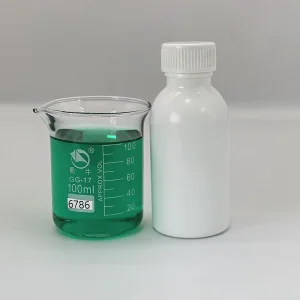
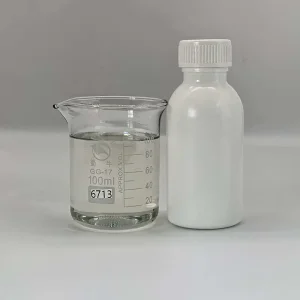
In high-precision electroplating, "zinc plating turning black" represents one of the most persistent aesthetic and structural failures. It signals an underlying electrochemical imbalance, passivation failure, or heavy metal contamination within the bath chemistry. Resolving this issue requires deep metallurgical diagnostic knowledge.
Zinc plating naturally acts as a sacrificial coating, providing galvanic protection to underlying steel structures. However, under specific conditions, the metallic zinc surface or its subsequent passivation layer undergoes rapid oxidation, leading to dark grey or black discolouration. This is often caused by the formation of non-stoichiometric zinc oxides and basic zinc carbonates, or the accumulation of trace contaminants within the coating structure.
There are two primary categories of blackening in zinc electroplating: bath-level contamination during electrodeposition, and post-treatment degradation. Bath-level blackening typically occurs in acid zinc or cyanide-free alkaline zinc baths when heavy metal impurities like copper (Cu), lead (Pb), cadmium (Cd), or iron (Fe) co-deposit with zinc. Even trace levels of these metals can alter the crystal orientation of the zinc deposits, leaving them highly active and prone to rapid, dark oxidation. Post-treatment blackening is commonly a failure of the passivating layer or subsequent sealer, leaving the reactive zinc exposed to atmospheric moisture and corrosive elements.
Identifying the root cause of blackening requires systematic troubleshooting of the electroplating sequence. These key operational variables must be carefully managed to ensure consistent quality:
Using high-quality additives like our 8315 Alkaline Cyanide-free Bright Zinc Plating system greatly reduces the risk of low-current-density blackening. Alkaline systems deposit zinc with uniform thickness and consistent grain structures, which are far more receptive to subsequent trivalent passivation treatments compared to traditional acid baths.
When addressing a blackening issue, use this diagnostic matrix to match the visible defect with its likely root cause and the required corrective action:
| Observed Defect Pattern | Probable Root Cause | Recommended Corrective Action | |
|---|---|---|---|
| LCD areas turn black after nitric dip | Copper contamination (>15 ppm) or high lead levels. | Dummy plate the bath at low current density (0.1–0.2 A/dm²); apply zinc dust treatment. | Apply zinc dust treatment or dummy plate the bath at low current densities. |
| Streaks of black after passivation | Imbalanced passivation bath pH or high zinc buildup. | Measure and adjust pH; dilute the passivation bath or reformulate as needed. | |
| Spotted blackening in blind holes | Trapped acid or plating solution due to poor rinsing. | Improve cleaning stages; implement hot water rinses and agitation. | |
| Dull, dark grey overall coating | Brightener depletion or high levels of organic breakdown products. | Conduct a Hull Cell test; perform carbon filtration and replenish brighteners. |
Demands on corrosion protection systems are shifting rapidly worldwide. Traditional hexavalent chromates are being phased out in Europe, North America, and parts of Asia under strict environmental frameworks like RoHS, REACH, and ELV regulations. This has triggered a broad transition toward trivalent chromium passivation systems and high-performance zinc-nickel alloys, such as our 6185 Alkaline Zinc-Nickel Plating.
Industries like automotive manufacturing, wind energy, aerospace, and consumer electronics now require metal coatings that can withstand over 1,000 hours of Neutral Salt Spray (NSS) testing before red rust appears. Because zinc-nickel coatings offer superior thermal stability and lower galvanic potential when paired with aluminum components, they are increasingly specified for structural fasteners, under-the-hood automotive parts, and marine equipment. Preventing coating defects like blackening is critical to maintaining the mechanical and protective properties of these components.
Explore our targeted product series, ranging from bright nickel and electroless nickel systems to zinc-nickel alloys.
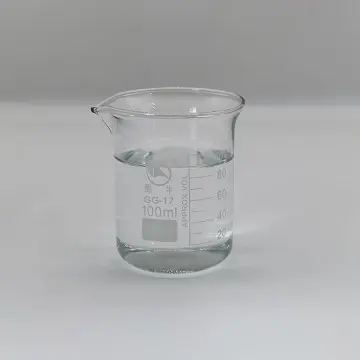
Sulfur-free process delivering excellent ductility and leveling, ideal for multi-layer nickel systems.
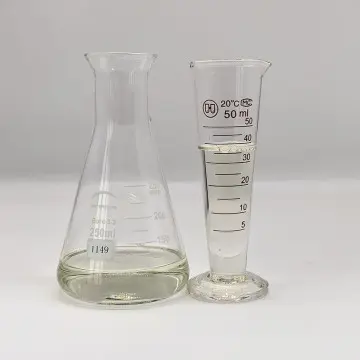
High brightener tolerance and exceptional coverage in low-current density areas during barrel plating.
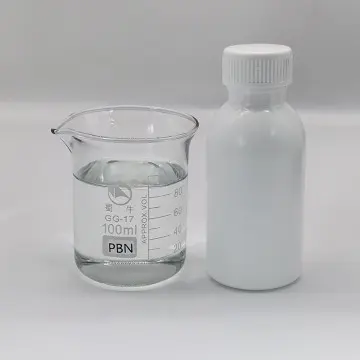
Produces an elegant, uniform satin finish with excellent finger-print resistance for consumer electronics.
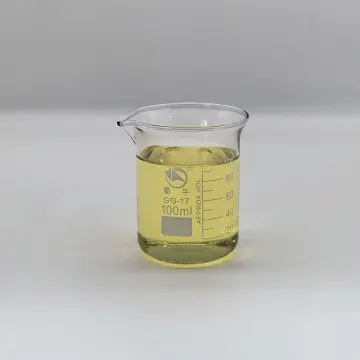
Optimized formulation designed to minimize deposition times while maintaining a mirror-bright finish.
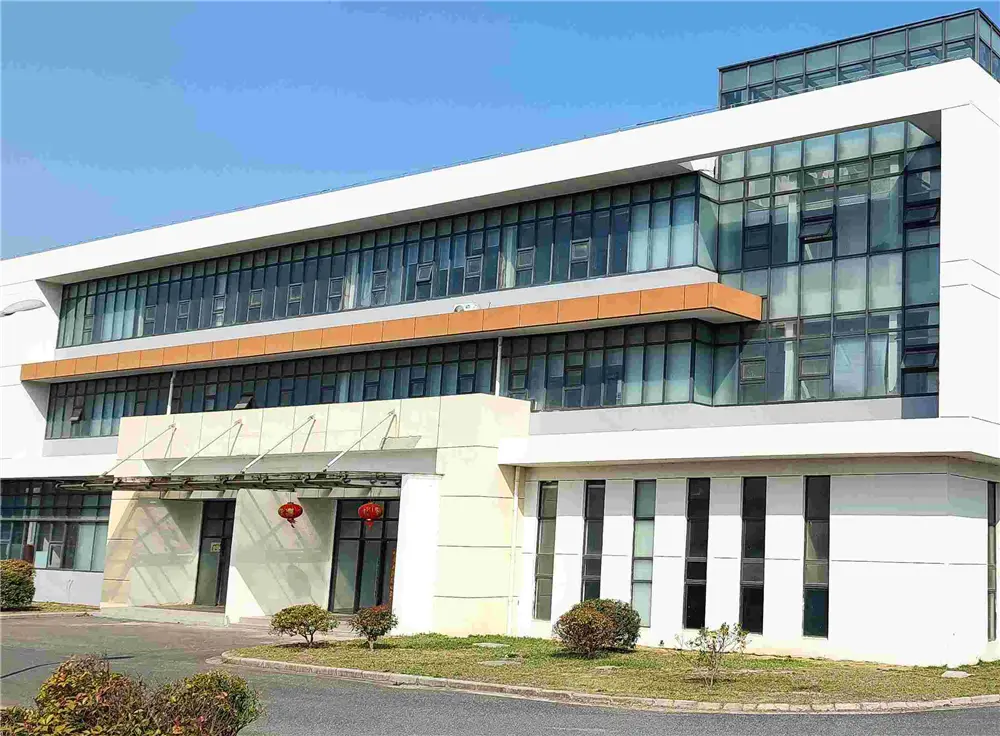
SUZHOU HIYIE CHEMICAL CO., LTD delivers advanced chemical additives and process solutions across a wide range of markets, including consumer electronics, telecommunications, semiconductor fabrication, automotive hardware, and industrial equipment. By partnering with leading universities and chemical research institutes, we operate mobile R&D centers in Wuhan and Shanghai to address the industry's most challenging plating and finishing requirements.
Our products are used by industry leaders worldwide, including Foxconn Technology Group, Qinghai Salt Lake Group, Chint Group, Hongbao Group, Stanley Group, and Shifeng Group. This track record reflects our focus on quality control, process efficiency, and technical service.
We combine advanced chemistry, technical expertise, and efficient production to optimize your finishing lines.

Our team includes experienced electrochemists, technical support specialists, and field engineers who understand the practical realities of industrial plating lines.

Operating dedicated labs in Shanghai and Wuhan allows us to rapidly customize bath additives, passivations, and brightener systems to resolve issues like localized blackening.

We focus on developing environmentally compliant products, including cyanide-free alkaline zinc processes and high-performance trivalent chromates that meet RoHS regulations.

From Hull Cell analysis to ongoing bath audits, our field engineers help keep your plating lines running efficiently and at peak quality.
Choosing the right chemical supplier is about more than just matching a technical specification sheet. Partnering with a manufacturer like Suzhou Hiyie Chemical provides access to a highly optimized chemical supply chain and production network.
China's chemical manufacturing ecosystem benefits from deep vertical integration. This ensures a stable supply of key raw materials, lower shipping costs, and short lead times. By coupling this logistical base with our R&D centers in Wuhan and Shanghai, we can deliver high-performance bath chemistries at a very competitive price point. Each production batch undergoes rigorous laboratory testing, including spectrophotometry, atomic absorption spectroscopy (AAS), and Hull Cell evaluations, ensuring consistency from batch to batch.
This blend of performance, quality control, and logistics allows us to support high-volume manufacturing lines globally, helping them minimize down-time and maintain consistent finish quality.
Stay up to date with new developments, technical updates, and initiatives at Suzhou Hiyie Chemical.

As we step into a new year of growth, Suzhou Hiyie Chemical continues to expand its R&D efforts. We are focusing on new trivalent zinc-nickel passivations and high-phosphorus electroless nickel additives to support the evolving demands of our global partners. Our labs are targeting higher corrosion resistance and improved bath stability for our customers.
Common questions on troubleshooting zinc plating defects, managing bath chemistry, and selecting passivations.
Discover our full selection of electroplating additives, passivations, and specialty chemical processes.
 HIYIE
HIYIE