Best Zn Ni Electroplating Supplier & Suppliers

Pioneering High-Performance Zinc-Nickel Alloy Chemistry and Precision Surface Treatment Solutions for Challenging Global Industries.

The Frontier of Anti-Corrosion: Zinc-Nickel Electroplating Explained

In modern industrial manufacturing, harsh environmental challenges require surface treatments that go far beyond standard protection. Traditional zinc plating, while cost-effective, struggles under high temperature and mechanical load environments. That is why leading industries are transitioning to Zinc-Nickel (Zn-Ni) Electroplating.

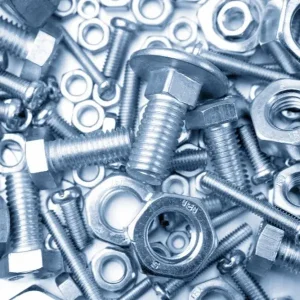
Zn-Ni electroplating deposits a uniform alloy layer containing 12% to 15% nickel content, with the remainder being zinc. This precise metallurgical ratio forms a unique gamma-crystalline phase (γ-Ni5Zn21). This structure provides up to ten times the corrosion protection of standard zinc coatings, making it the preferred choice for automotive fasteners, chassis components, aerospace assemblies, and marine hardware.

"By choosing a premium Zinc-Nickel plating chemistry, global manufacturers achieve over 1,000 hours of neutral salt spray resistance (ASTM B117) with no white rust, and over 1,500 hours without red rust, while significantly minimizing hydrogen embrittlement risks."

As a leading developer of electroplating chemistry, Suzhou Hiyie Chemical Co., Ltd. specializes in optimizing the chemical baths, stabilizers, and passivates that make these high performances possible. Through rigorous R&D and field testing, we help metal finishing lines stabilize deposit rates, control alloy distribution, and extend bath lifespans.
Hiyie Advanced R&D Lab and Quality Testing Setup
1500h+
Salt Spray Resistance
12-15%
Nickel Alloy Control
3+
R&D Testing Centers
500+
Industrial Partners

Alkaline vs. Acid Zn-Ni Systems: Selecting the Right Chemistry

Selecting the appropriate chemical system is essential to achieving consistent deposition across varying part geometries.

Alkaline Zinc-Nickel Systems

Alkaline systems offer exceptional thickness distribution and uniform alloy composition, even on complex geometries with recessed areas. Formulations like our 6185 Alkaline Zinc-Nickel Plating chemistry ensure high performance on safety-critical automotive parts like brake calipers and chassis brackets.

Acid Zinc-Nickel Systems

Acid baths operate at high cathode current efficiency (up to 95%), which significantly increases plating speed and throughput. They are ideal for cast iron components and heat-treated steels, offering a bright finish that accepts trivalent passivates exceptionally well.

Trivalent Passivates & Sealers

Applying the zinc-nickel layer is only half the battle. Post-treatment with trivalent passivates (such as our ZN-318 Blue Trivalent Passivation or 216 High Corrosion-Resistant Passivation) seals the alloy surface and locks in long-term chemical barrier performance.

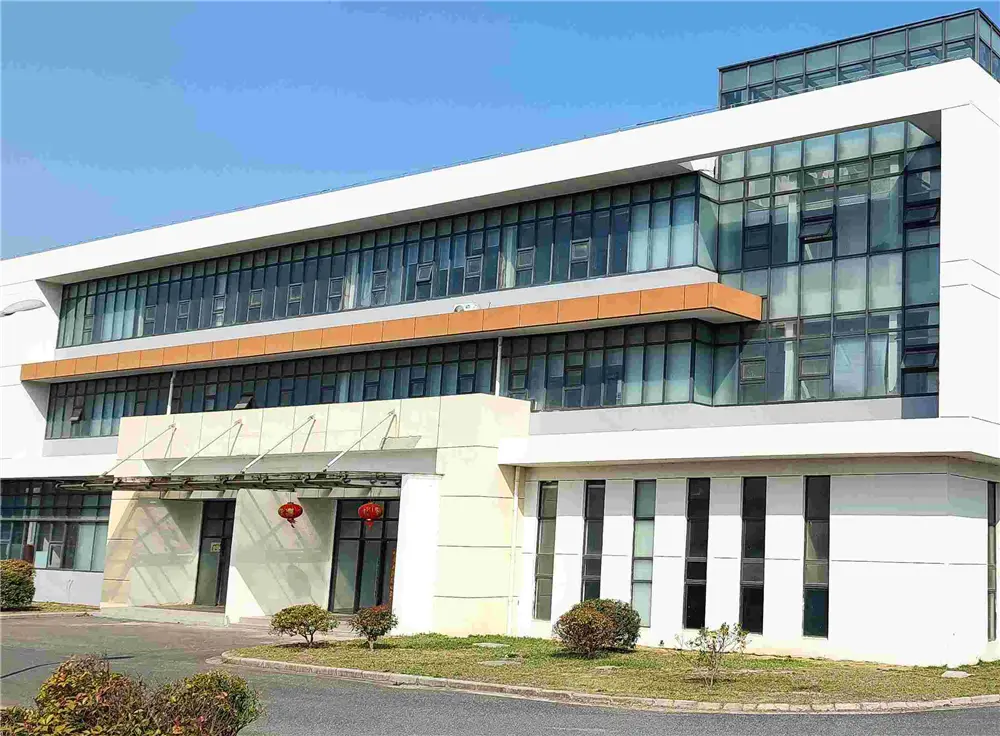
Precision Electroplating Plant in Suzhou China

China Factory Advantage: Scalability, Quality, & Compliance

Sourcing your surface treatment chemicals from China offers significant structural and supply chain advantages. As a primary manufacturing hub for raw chemical inputs, Chinese suppliers have direct access to precursors, stabilizing agents, and organic intermediates. This localized supply chain reduces transport costs and buffers against global supply chain volatility.

At Suzhou Hiyie Chemical Co., Ltd., we run advanced R&D institutions in Wuhan and Shanghai, with our primary manufacturing base strategically positioned in the Yangtze River Delta. This structure allows us to blend high-efficiency manufacturing with rigorous technical innovation. Our research partnerships with local universities enable us to solve difficult electroplating challenges, including high-speed bath degradation and cathode efficiency drops.

In addition, our manufacturing facilities adhere to strict environmental standards. All our Zn-Ni additives, trivalent passivates, and mid-to-high phosphorus electroless nickel solutions (such as HITEC EN 6786 and 6713) are developed in compliance with REACH and RoHS regulations, ensuring smooth integration into European and American supply chains.

Why Choose Suzhou Hiyie Chemical

Partnering with a specialized chemical developer ensures process reliability and high-performance plating lines.

Expert Personnel Icon

Personnel Expertise

We employ a dedicated team of chemists, laboratory technicians, and service representatives focused on providing on-site bath analysis and technical support.

R&D Lab Icon

Flexible R & D

Our agile research and development structure allows us to customize additive formulations to meet specific customer requirements for alloy ratios, brightener speeds, and environmental conditions.

Advanced Tech Icon

Clean Technologies

We design our plating chemicals with a focus on safety and sustainability, offering cyanide-free bright zinc plating and hexavalent chromium-free passivates.

After Sales Icon

After-Sales Service

Our support team offers regular bath maintenance guides, chemical analysis, and troubleshooting advice to prevent downtime and keep your lines running efficiently.

Macro-Industry Electroplating Solutions

Suzhou Hiyie Chemical provides surface treatment formulations for critical global industries. Our products are widely used by leading global brands, including Foxconn Technology Group, Chint Group, Qinghai Salt Lake Group, Hongbao Group, Stanley Group, and Shifeng Group.

  • Automotive Electronics & Hardware: High-resistance coatings for safety-critical components, fasteners, fuel lines, and brake calipers.
  • Consumer Electronics: High-purity electroless nickel and pearl nickel layers for connectors, shields, and structural frames.
  • Industrial Automation & Power Grids: Corrosion protection for electrical transmission housings, switchgear, and outdoor hardware.
  • Semiconductor & Communication: Ultra-thin, highly uniform plating layers that prevent copper migration and improve solderability.
Industrial Logistics and Plating Production

Technical FAQ: Zinc-Nickel Electroplating

Detailed answers to key engineering and procurement questions regarding Zinc-Nickel alloy electroplating systems.

1. Why is the 12-15% Nickel alloy ratio critical in Zn-Ni electroplating? +
This specific range ensures the formation of the single γ-phase (γ-Ni5Zn21) structure. Below 12%, the deposit behaves more like pure zinc, which reduces its corrosion resistance. Above 16%, the deposit becomes brittle, increases the risk of microcracking, and can make post-treatment passivation difficult. Maintaining this target range requires precise bath control, correct additive ratios, and balanced anode management.
2. How does Alkaline Zinc-Nickel compare to Acid Zinc-Nickel for complex parts? +
Alkaline Zn-Ni chemistry provides excellent throwing power and a uniform alloy ratio across all geometries, which is essential for complex components like brake calipers and deep recess parts. Acid Zn-Ni systems plate faster and work well on cast iron and heat-treated steels, but they can experience variations in alloy composition between high and low current density areas.
3. How do trivalent passivates improve the performance of Zn-Ni coatings? +
Trivalent passivates (such as our ZN-318 and 216 formulations) react with the Zinc-Nickel deposit to form a thin, protective barrier film. This passive film retards the oxidation of zinc, preventing white rust. When combined with a suitable topcoat or sealer, it helps parts achieve over 1,500 hours of neutral salt spray testing before red rust appears.
4. What measures does Suzhou Hiyie take to ensure REACH and RoHS compliance? +
We formulate our products without restricted substances. Our passivates use trivalent chromium instead of hexavalent chromium, and we offer cyanide-free formulations like the 8315 Bright Zinc Plating chemistry. This allows global manufacturers to use our surface treatment chemicals in compliance with RoHS, REACH, and other international environmental standards.
5. What causes high chemical consumption in a Zn-Ni bath, and how can it be optimized? +
High chemical consumption is often caused by drag-out, thermal evaporation, or chemical breakdown from over-electrolysis. Suzhou Hiyie optimizes chemical stability by using advanced organic complexing agents and brighteners that resist thermal degradation. We also help customers optimize drag-out recovery systems and set proper filtration practices to extend bath life and reduce chemical costs.