Industry-approved formulas offering unparalleled corrosion resistance and surface engineering efficiency.
The global automotive and heavy machinery sectors have witnessed a transformative transition in surface protection methodologies. Traditional zinc plating, though cost-effective, no longer satisfies the rigorous service-life expectations under increasingly corrosive operating environments. Consequently, Zinc-Nickel (Zn-Ni) electroplating has solidified its position as the baseline specification across leading European, North American, and Asian OEMs.
Crucial directives like REACH (Registration, Evaluation, Authorisation and Restriction of Chemicals) and RoHS (Restriction of Hazardous Substances) have systematically eliminated hexavalent chromium and cadmium coatings from global supply chains. Zn-Ni plating, specifically when coupled with trivalent chromium passivations and high-performance sealers, provides an eco-compliant alternative that significantly outperforms legacy options. Current industrial metrics indicate a steady compound annual growth rate (CAGR) for the Zn-Ni chemicals market, heavily driven by the rapid expansion of Electric Vehicles (EVs) where lightweight sub-frames and safety components require extended warranties against road debris and galvanic corrosion with aluminum chassis.
"The transition to Zn-Ni is not merely a compliance check; it is a design imperative. Advanced Zn-Ni formulations offer robust galvanic shielding, allowing steel fasteners to interface with aluminum components without creating localized galvanic cells."
The outstanding characteristics of Zinc-Nickel coatings rely on tight control over the alloy's composition. Under standard electrolytic conditions, the deposit structure consists of an intermetallic phase known as the gamma phase (γ-phase, represented as Ni5Zn21). This specific crystal structure presents the ideal combination of hardness, ductility, and sacrificial protection potential.
If the nickel content falls below 12%, the deposit behaves similarly to standard zinc, rendering it susceptible to premature white rust formation. Conversely, if the nickel content exceeds 15%, the phase transitions into a mixture of gamma and eta phases, turning the coating more noble (cathodic) relative to the iron substrate. This compromises its sacrificial nature and makes the coating highly brittle and prone to micro-cracking during post-plating bending operations.
Determining the right technical route depends on the component geometry and mechanical properties:
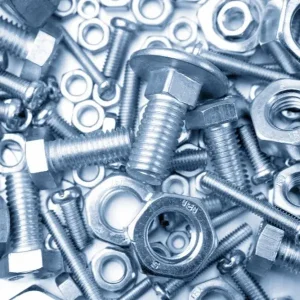
For critical applications such as Class 10.9 and 12.9 fasteners used in automotive and aerospace structures, hydrogen embrittlement (HE) represents a catastrophic failure mechanism. During the cathodic electrodeposition process, hydrogen gas is co-deposited alongside the Zn-Ni alloy. If these atomic hydrogen species remain trapped within the steel lattice, they migrate to grain boundaries under tensile load, triggering sudden brittle fractures.
To address this issue, advanced manufacturers implement targeted chemical additives and post-plating thermal baking protocols:
1. Low Hydrogen Embrittlement (LHE) Additives: Specialized organic additives modify the cathode polarization curve, minimizing hydrogen discharge during deposition and facilitating a more porous initial layer that allows hydrogen egress.
2. De-embrittlement Baking: Plated fasteners are subjected to thermal baking at 200°C for a minimum of 4 hours immediately following plating (typically within 4 hours of plating completion) to drive out diffusable hydrogen.
Explore our focused product lines curated for high-efficiency industrial processing.
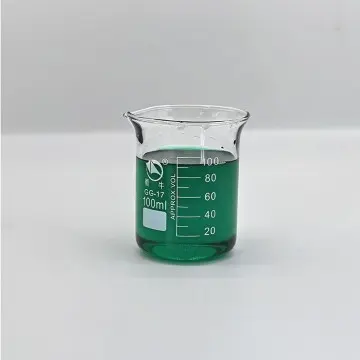
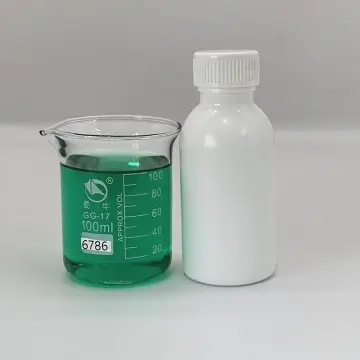
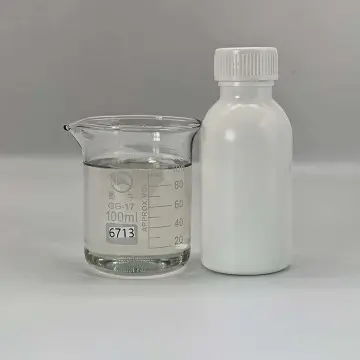
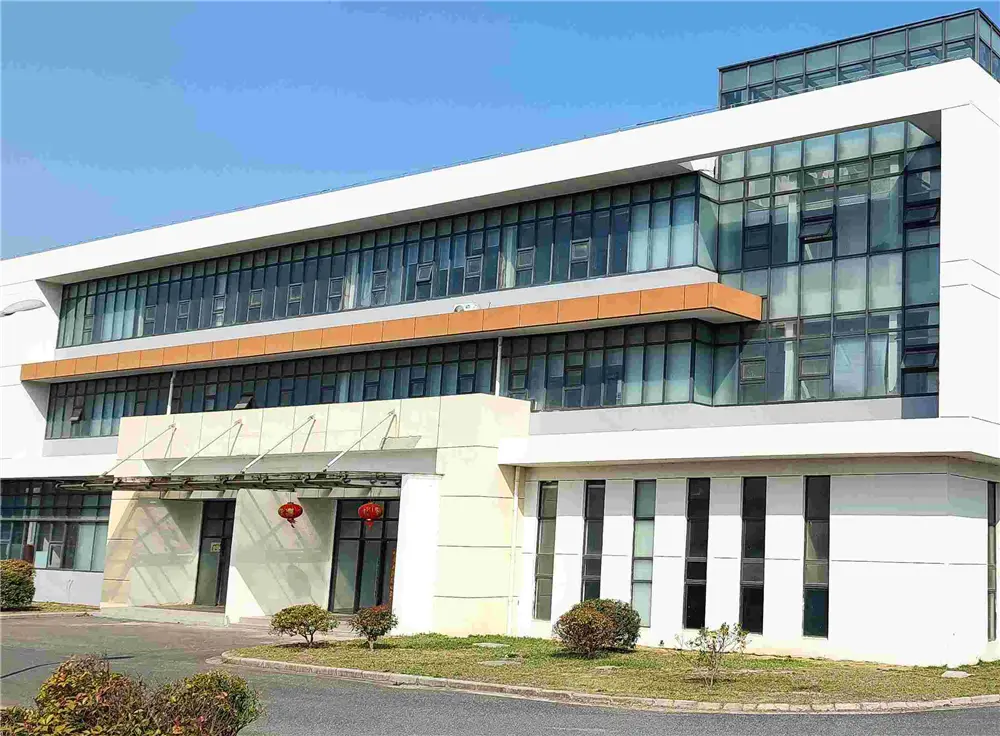
SUZHOU HIYIE CHEMICAL Co.,LTD is a leading manufacturer of organic products and advanced metal finishing chemistry. Our product portfolio spans consumer electronics, communication equipment, the semiconductor industry, automotive hardware, craft gifts, and more.
To solve technical challenges in the electroplating sector, we have collaborated with multiple domestic and foreign chemical companies and universities to establish a mobile R&D center. Since our establishment, we have set up R&D institutions in Wuhan and Shanghai. Our marketing network covers the Pearl River Delta, Yangtze River Delta, and Bohai Rim regions.
Our solutions have been widely recognized by domestic and foreign corporations, including Foxconn Technology Group, Qinghai Salt Lake Group, Chint Group, Hongbao Group, Stanley Group, and Shifeng Group, earning our company an excellent market reputation.
Our commitment to research, environmental safety, and technical service sets us apart.

We introduce a large number of experienced technicians and sales talents, ensuring we are responsible for every customer's operational success.

Our flexible R&D mechanism allows us to meet specific custom requirements, adapting chemistry to client bath sizes and parameters.

We employ the latest environmental engineering philosophies to create trivalent chromium passivations and cyanide-free electroplating formulations.

Our technical pre-sale, sales, and after-sales support teams provide on-site diagnostics, bath analysis, and troubleshooting services.
The surface finishing industry is moving toward high automation, digitalization, and eco-efficiency. Future advancements in Zn-Ni plating focus on three primary goals:
1. Advanced Trivalent Passivation: Developing trivalent chromium passivations that can achieve over 1500 hours of salt spray exposure without requiring thick post-plating polymer sealers.
2. Smart Bath Control Systems: Incorporating real-time electrochemical analysis sensors to continuously monitor and adjust chemical replenishment, reducing chemical waste and ensuring consistent alloy distribution.
3. Closed-Loop Water Conservation: Designing zero-liquid discharge (ZLD) rinse water recovery technologies to minimize industrial waste streams and support sustainable manufacturing.
Stay updated with our latest developments, cultural activities, and corporate achievements.

The Snake ushers in blessings as we bid the old year farewell; The Horse brings spring as we embark on a new journey. The New Year bell rings the prelude to progress; Suzhou Hiyie continues its dedication to product innovation and customer satisfaction.
Answers to common technical queries on Zinc-Nickel plating chemistry and specifications.
Zinc-Nickel plating with a 12-15% nickel content and a trivalent chromium passivation can withstand over 1,000 hours of neutral salt spray testing (ASTM B117) before the first appearance of red rust.
Alkaline zinc-nickel plating offers superior throwing power, ensuring uniform thickness across complex geometries. Acid zinc-nickel systems provide faster deposition speeds and are suited for cast iron parts, though they offer less thickness uniformity.
This specific range ensures the formation of the intermetallic gamma-phase crystal structure. If the nickel content drops below 12%, corrosion resistance decreases. If it exceeds 15%, the coating becomes cathodic relative to steel, losing its sacrificial protection property.
The corrosion potential of the Zn-Ni alloy (approx. -0.8V to -0.9V vs. SCE) sits between steel (-0.4V) and aluminum (-0.7V to -0.9V). This close alignment reduces the potential difference, minimizing galvanic corrosion when steel fasteners contact aluminum parts.
Parts are commonly treated with a trivalent chromium passivation (clear, blue, black, or iridescent) to protect the zinc-nickel layer from white rust. A thin organic or inorganic sealer can also be applied to control torque-tension properties and further extend corrosion resistance.
Our comprehensive catalog of plating chemistries and passivations for global supply chains.
 HIYIE
HIYIE