Engineered chemical additives and solutions designed to meet strict industrial specifications, including RoHS & REACH directives. Explore our leading high-performance product range.
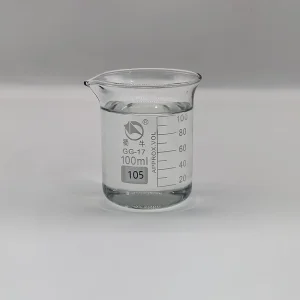
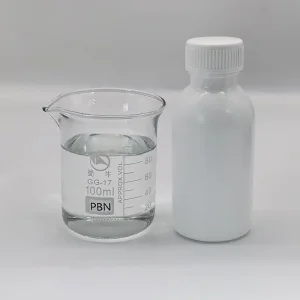
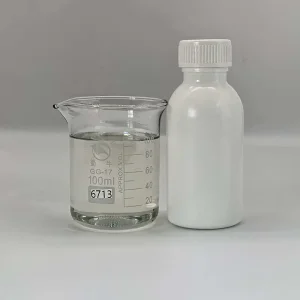
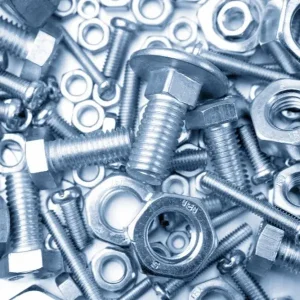
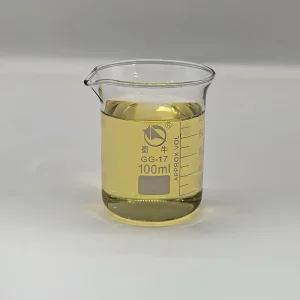
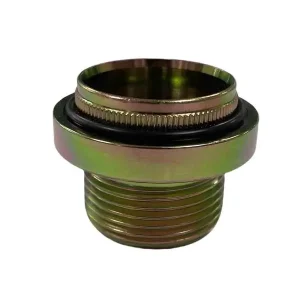
Black chromate coating is a precision conversion film process applied primarily to zinc or zinc-alloy electroplated components. Under controlled electrochemical parameters, a chemical reaction occurs between the zinc substrate and the passivating solution. This process generates an ultra-thin barrier layer that fundamentally seals the porous structure of electroplated zinc, preventing oxidation and providing superior chemical defense against environmental elements.
Historically, hexavalent chromium (CrVI) formulations were standard because of their self-healing chemistry. However, strict environmental directives (RoHS, REACH, and ELV regulations) have driven global manufacturers to adopt advanced Trivalent Chromium (CrIII) conversion formulations. The development of CrIII black passivations has evolved rapidly. Today, trivalent black coatings, supplemented with robust nanosilica sealers, achieve corrosion performance that equals or surpasses traditional hexavalent systems.
Trivalent chromium (Cr3+) interacts with transition metals in the bath to generate a complex chrome-zinc hydrated oxide film. This thin, dense barrier structure blocks oxygen and corrosive ions from reaching the underlying zinc layer.
For industrial fasteners, black chromate conversion coatings are formulated with built-in lubricants. This allows manufacturers to control friction coefficients (CoF), ensuring consistent clamping force during high-speed assembly line processes.
Advanced chemical formulations produce a deep, uniform black aesthetic that remains consistent over complicated geometries and threaded zones, minimizing common coating defects like iridescence, mottling, or edge-burn.
At Suzhou Hiyie Chemical, we support industrial supply chains by manufacturing metal finishing chemicals that meet strict international testing standards. Our formulations deliver reliable, repeatable results across various production systems.
China is a global hub for chemical synthesis and raw material production, offering a competitive environment for manufacturing metal finishing solutions. Choosing a Chinese manufacturer for black chromate coatings and passivation agents provides major advantages:

The table below highlights the performance, environmental compliance, and process metrics of modern trivalent black passivation processes compared to traditional hexavalent systems.
| Performance Indicator | Trivalent Black Passivation (Cr3+ with Sealer) | Hexavalent Black Passivation (Cr6+) | Key Industry Application Benefit |
|---|---|---|---|
| Environmental & RoHS Compliance | Fully Compliant (RoHS 3, REACH, ELV) | Restricted / Banned in major markets | Crucial for European and North American exports |
| Corrosion Resistance (Neutral Salt Spray) | Up to 120-240 Hours (white rust), 480+ (red rust) | 96-150 Hours (white rust), 300+ (red rust) | Extended service life for automotive and outdoor components |
| Thermal Resistance & Heat Recovery | High stability up to 150°C (no loss of protection) | Low stability (dehydrates and cracks above 60°C) | Suitable for engine compartment components |
| Chemical Self-Healing Property | Moderate (Relies on silicon dioxide/polymer sealers) | High (Active hexavalent migration to scratches) | Sealers compensate for physical wear and scratches |
| Coefficient of Friction (CoF) Control | Variable (Adjustable between 0.08 to 0.15 via topcoat) | Unpredictable (Requires post-treatment waxes) | Vital for automated assembly torque settings |
SUZHOU HIYIE CHEMICAL Co., LTD offers a diverse product portfolio that spans consumer electronics, communication equipment, the semiconductor industry, automotive hardware, craft gifts, and related sectors. To address technical challenges and drive innovation, the company works with multiple domestic and international chemical companies and universities, establishing a mobile R&D center dedicated to solving industry-wide coating issues.
Since its founding, the company has set up R&D centers in Wuhan and Shanghai. Its marketing network covers the Pearl River Delta, Yangtze River Delta, and Bohai Rim regions. Hiyie's products are widely used and recognized by many domestic and international brands, including Foxconn Technology Group, Qinghai Salt Lake Group, Chint Group, Hongbao Group, Stanley Group, and Shifeng Group, building a strong market presence and reputation.

We continually train and recruit dedicated technical and sales staff to ensure responsive customer support.

Our adaptable R&D mechanisms let us customize chemical formulations to meet unique customer specifications.

We develop metal finishing technologies with a strong emphasis on environmental safety and compliance.

Our professional team provides dependable support throughout the pre-sale, sales, and post-sales processes.
Modern black chromate formulations serve high-demand manufacturing sectors that require both corrosion resistance and controlled friction or appearance. Key applications include:
Fasteners, brackets, brake calipers, and steering linkages are frequently finished with black chromate over zinc-nickel alloys. The coating offers high protection against road salt, moisture, and road debris.
Black chromate coatings are used on internal brackets, shielding cages, and external hardware to provide corrosion resistance and control electrical conductivity, while minimizing light reflection inside optical assemblies.
Mounting fasteners and structural connectors for solar panels and wind turbines use black zinc-nickel coatings with trivalent passivations to withstand humid, outdoor environments over long life cycles.

As we transition through seasons and cycles, we continue to refine our chemical formulations and supply chains. Hiyie Chemical remains committed to delivering reliable metal finishing solutions, working closely with global partners to support their production requirements.
View DetailsGet answers to common technical, environmental, and application questions about black chromate conversion coatings.
Black oxide is a conversion coating applied directly to steel or stainless steel through controlled chemical oxidation, offering mild corrosion resistance and a matte appearance. Black chromate is applied to electroplated zinc or zinc-alloy layers. It uses chromium chemistry to create a protective barrier, offering significantly higher corrosion protection (often exceeding 100-500 hours in neutral salt spray testing).
Yes. Trivalent black chromate coatings (Cr3+) do not contain hexavalent chromium (Cr6+), which is restricted under European RoHS and REACH regulations. By using trivalent chromium chemistry along with compatible nanosilica sealers, manufacturers can achieve the required corrosion protection while meeting global environmental compliance standards.
Corrosion resistance depends on the underlying electroplated layer (e.g., pure zinc versus zinc-nickel alloy), the passivation layer thickness, and whether a sealer or topcoat is applied. Zinc-nickel alloy base coats combined with high-quality trivalent black passivation and sealers offer the highest protection, often exceeding 120 hours to white rust and 480+ hours to red rust in ASTM B117 salt spray tests.
Passivation layers alone can have inconsistent friction properties. Applying a sealer or topcoat with built-in lubricants allows manufacturers to target and maintain specific friction coefficients (typically between 0.08 and 0.15). This ensures consistent torque-tension properties during automated assembly.
Yes, hydrogen absorption can occur during the acid cleaning and electroplating stages. To mitigate the risk of hydrogen embrittlement in high-strength fasteners (tensile strength above 1000 MPa), components should undergo a thermal baking process (usually around 200°C for several hours) immediately after electroplating and *before* applying the trivalent black passivation layer.
Explore our complete selection of plating agents, carriers, and passivations designed for high-precision manufacturing operations.
 HIYIE
HIYIE