Select industrial plating components and custom formulations engineered for maximum resistance, electrical conductivity, and aesthetic perfection.
The chemistry, engineering protocols, and microstructural mechanics that define high-performance black passivated surfaces.
Black chromate plating represents an essential chemical conversion coating process applied primarily over electroplated zinc or zinc-alloy surfaces. Through a controlled chemical reaction, the surface of the metallic deposit is converted into a complex, non-crystalline gel layer containing trivalent chromium ($Cr^{3+}$) and, in legacy applications, hexavalent chromium ($Cr^{6+}$) oxides. This film is highly prized for its exceptional corrosion protection, solar radiation absorption, and aesthetic value.
During the immersion process, the acid activation initiates the dissolution of a minute portion of the underlying zinc layer. This oxidation raises the local pH at the metallic interface, forcing the precipitation of chromium hydroxide compounds. The resulting layer is a self-healing, amorphous barrier that inhibits the ingress of moisture, chlorides, and other atmospheric oxidants.
For decades, hexavalent black chromates were the standard because of their unmatched self-healing properties and ease of application. However, global directives such as the European Union's Restriction of Hazardous Substances (RoHS) and Registration, Evaluation, Authorization and Restriction of Chemicals (REACH) pushed the electroplating industry into a paradigm shift toward trivalent chromate systems.
Trivalent chemistry inherently lacks the hazardous characteristics of hexavalent chromium, making it safer for processing workers and eliminating carcinogenic chemical waste. As a premier manufacturer in China, Suzhou Hiyie has engineered advanced trivalent black passivation processes that utilize specific nano-silica sealers and organic topcoats to achieve, and often exceed, the corrosion resistance of historical hexavalent treatments.
Offers outstanding chemical resistance to aggressive automotive solvents, hydraulic fluids, and maritime saline environments.
Exceeds 720 to 1000 hours of neutral salt spray testing (ASTM B117) without red rust formation when used with proper sealers.
Maintains high levels of electrical conductivity compared to paint or anodized finishes, ideal for electronic grounding applications.
The global demand for black chromate electroplating is experiencing robust growth driven by automotive electrification, military hardware refinement, and high-performance industrial fasteners. Today's manufacturing centers require coatings that deliver both exceptional function and visual consistency.
In North American and European markets, strict EPA and REACH regulations dictate that importers specify only trivalent ($Cr^{3+}$) coatings. This requirement makes it necessary to work with advanced suppliers in China capable of certifying chemical compliance and validating film structure using Energy-Dispersive X-ray Spectroscopy (EDS) and Scanning Electron Microscopy (SEM).
Key Industrial Segments:
How Suzhou Hiyie structures the chemical plating process to meet the most demanding global OEM standards.
Our engineered process path ensures optimized adhesion and chemical bond density. Starting with precise substrate activation and acid zinc or zinc-nickel plating, it moves through active trivalent passivation and finishes with dynamic organic polymer sealing. This system establishes a defense-in-depth framework that effectively stops localized pitting and galvanic cell formation.
Select options from our standard chemical categories. Click on each section to review the underlying chemistry classes.
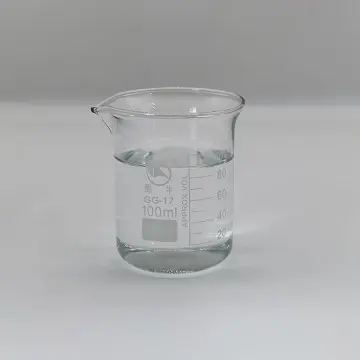
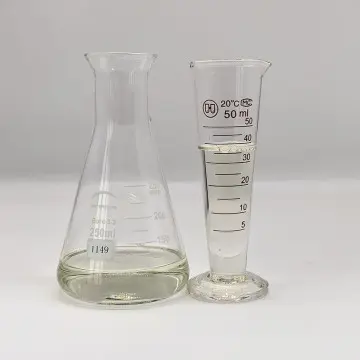
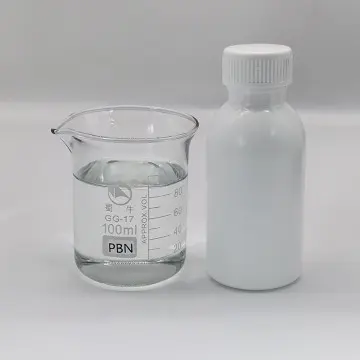
A professional global manufacturer of organic and metallic electroplating chemical processes.
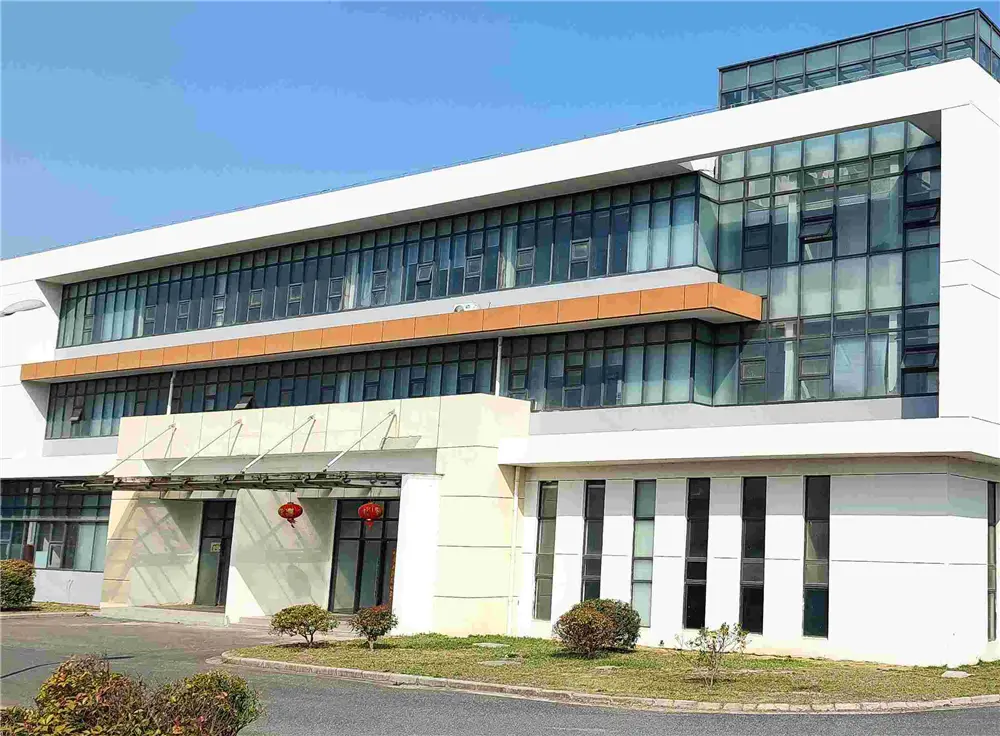
SUZHOU HIYIE CHEMICAL Co., LTD has established a comprehensive product portfolio covering critical industrial sectors including consumer electronics, communications equipment, the semiconductor industry, automotive hardware, craft gifts, and military hardware.
We are dedicated to overcoming technical barriers within the electroplating and surface treatments sector. To achieve this, we have collaborated with domestic and international chemical enterprises, as well as high-tier academic research universities, to form mobile R&D institutions in Wuhan and Shanghai.
Our expansive sales and service network covers major technological hubs in China—specifically the Pearl River Delta, the Yangtze River Delta, and the Bohai Rim regions. Our chemical formulas and electroplating processes are approved, certified, and utilized by leading multinational organizations, including Foxconn Technology Group, Qinghai Salt Lake Group, Chint Group, Hongbao Group, Stanley Group, and Shifeng Group.
Unwavering compliance, expert engineering teams, and world-class testing infrastructure.

We continuously attract top chemical talent, specialized sales engineers, and customer support professionals who coordinate complex specifications directly with client engineering teams.

Our flexible R&D structure adapts quickly to customer challenges, adjusting chemical formulations to match unique temperature, line speed, and substrate requirements.

We develop high-performance chemical options that align with international environmental directives. Our processes help global enterprises minimize ecological impact while meeting performance standards.

We provide full pre-sale, installation, and post-sale technical support, offering bath analytics, line adjustments, and troubleshooting to keep your production runs highly consistent.
Follow our journey, technical breakthroughs, and seasonal updates.

The New Year bell rings the prelude to progress. We wish all our global partners, customers, and employees a prosperous and healthy start to the lunar cycle as we push the limits of surface engineering.
Common questions concerning black chromate plating, chemical mechanics, and application parameters.
Performance is primarily driven by the underlying alloy deposition (e.g., zinc-nickel vs. pure zinc), the chemical configuration of the trivalent passivation bath, and the quality of the polymer topcoat sealer. A zinc-nickel base layer containing 12-15% nickel content delivers the highest base corrosion protection, reaching over 1000 hours of neutral salt spray exposure.
Yes, our trivalent chromate conversion coatings are formulated without hexavalent chromium compounds ($Cr^{6+}$). They comply with RoHS II and REACH regulations, allowing components to be shipped worldwide for automotive and electronic applications.
Black chromate is a thin conversion coating applied over zinc or zinc-nickel, providing sacrificial corrosion protection to underlying steel. Black oxide offers minimal protection and is used mainly for indoor aesthetics and minor rust prevention. Anodizing is limited to aluminum substrates, whereas chromate treatments apply to electroplated steel, iron, copper, and zinc alloys.
During electroplating, atomic hydrogen can diffuse into high-strength steel substrates, causing cracking under stress. To prevent this, parts are baked at 190°C to 220°C for 4 to 24 hours immediately after plating and before the application of the chromate conversion coating.
Select options from our chemical compounds catalog, featuring electroless and alloy plating processes.
 HIYIE
HIYIE