China Blue Zinc Coating Manufacturer & Manufacturers

Premium Surface Finishing Chemistry, High-Corrosion Resistance & Global RoHS-Compliant Solutions Developed by Suzhou Hiyie Chemical

Engineered Zinc Coating & Passivation Series

Discover Hiyie's advanced electroplating formulations designed for demanding automotive, industrial, and consumer electronics applications.
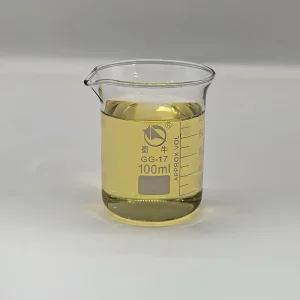
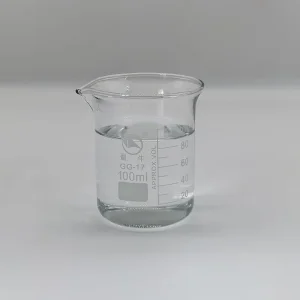
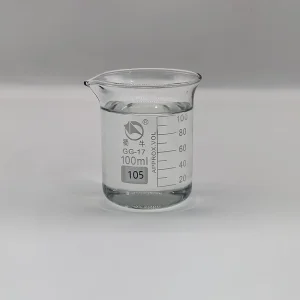
8315 Alkaline Cyanide-free Bright Zinc Plating

8315 Alkaline Cyanide-free Bright Zinc Plating

View Specifications
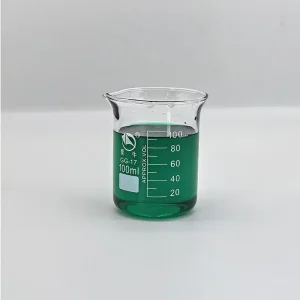
ZN-318Blue Trivalent Zinc-Nickel Passivation

ZN-318Blue Trivalent Zinc-Nickel Passivation

View Specifications
6185 Alkaline Zinc-Nicke Plating

6185 Alkaline Zinc-Nicke Plating

View Specifications
216 High Corrosion-resistant lridescentTrivalent Zinc Passivation

216 High Corrosion-resistant Iridescent Trivalent Zinc Passivation

View Specifications
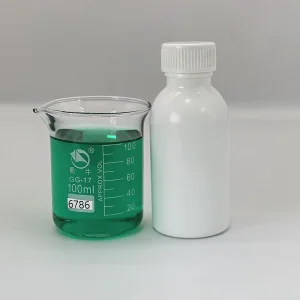
HITEC EN 6786 A/B/C High PhosphorusElectroless Nickel

HITEC EN 6786 A/B/C High Phosphorus Electroless Nickel

View Specifications
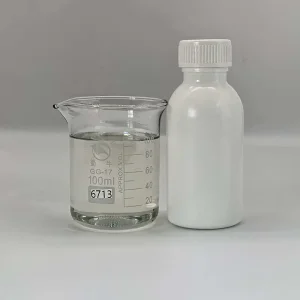
HITEC EN 6713 A/B/C Mid PhosphorusElectroless Nickel

HITEC EN 6713 A/B/C Mid Phosphorus Electroless Nickel

View Specifications
FS100 Semi-Bright Nickel Plating

FS100 Semi-Bright Nickel Plating

View Specifications
J0-1 Ultra-Low PhosphorusElectroless Nickel

J0-1 Ultra-Low Phosphorus Electroless Nickel

View Specifications

The Global Industrial Landscape of Blue Zinc Coatings

Deep dive into current market demands, structural changes, and the shift toward trivalent passivation chemistry.

Surface engineering holds a pivotal position in extending the service life of metal assets globally. In particular, blue zinc coating (chromate conversion coating over zinc electroplated substrates) represents one of the most widely applied protection mechanisms across automotive, construction, and electronics sectors. Beyond the decorative blue-bright iridescent aesthetics, these chemical systems provide sacrificial cathodic protection to steel components, delaying the onset of both white rust (zinc oxide) and red rust (iron oxide).

In recent years, the global electroplating and metal finishing industries have undergone a dramatic structural transformation. Driven by stringent environmental directives, including the European Union's Restriction of Hazardous Substances (RoHS) and REACH regulations, the industry has systematically transitioned from hexavalent chromium ($Cr^{6+}$) passivation to trivalent chromium ($Cr^{3+}$) chemical systems. The blue zinc coatings manufactured in modern Chinese factories utilize trivalent formulations, engineered to meet or exceed the performance parameters of historic hexavalent technologies without the associated carcinogenic hazards.

120+
Hours White Rust Resistance
Cr3+
100% RoHS Compliant
99.8%
Process Consistency Rating
0%
Free Cyanide Content (Alkaline Series)

Why Trivalent Blue Zinc Coatings Dominate Global Markets

Trivalent blue passivation produces a thin, protective conversion layer (typically 20 to 100 nanometers thick) directly over the electrodeposited zinc. The chemistry relies on a complex coordination matrix of trivalent chromium, cobalt or other metallic stabilizers, and organic acids. Key competitive advantages driving global procurement include:

  • Environmental Compliance: Fully compliant with modern environmental directives, enabling trouble-free exports to European and North American markets.
  • Thermal Stability: Trivalent films maintain their structural integrity at higher operating temperatures (often exceeding 120°C) compared to traditional hexavalent films, which dehydrate and crack.
  • Low Friction Coefficients: Vital for threaded fasteners and industrial hardware, allowing controlled torque-tension relationships.
  • Excellent Base for Sealants: Integrates seamlessly with silicate-based or organic topcoats to push corrosion resistance beyond 500 hours of salt spray exposure.

China Manufacturing Efficiency & Supply Chain Advantages

How localized chemical ecosystems and R&D pipelines drive lower costs and higher precision.

China has emerged as the definitive hub for metal finishing chemistry and electroplating additives. The concentration of chemical manufacturing clusters, combined with vertically integrated supply chains, allows Chinese manufacturers to offer high-purity chemical concentrates at highly competitive pricing. Companies like Suzhou Hiyie Chemical Co., Ltd. represent the pinnacle of this operational model.

Collaborative R&D Architecture

Hiyie has established mobile research and development units in partnership with prominent domestic universities and research institutions, operating specialized centers in Wuhan and Shanghai. This allows rapid adaptation of custom molecular formulations to match clients' exact plating lines.

Rigorous QA Infrastructure

Modern production facilities utilize Gas Chromatography, Atomic Absorption Spectroscopy, and High-Performance Liquid Chromatography (HPLC) to guarantee that each batch of brighteners, carriers, and passivates meets rigid purity specifications, eliminating plating defects like pitting or burning.

Scalable Production Capacity

Strategic logistics networks spanning the Pearl River Delta, Yangtze River Delta, and Bohai Rim ensure that bulk orders are compiled, checked, and dispatched promptly, offering major global manufacturers reliable continuity of supply.

The efficiency of China's chemical industry is not merely based on labor scale, but on process integration. Raw chemical feedstock production is situated close to formulation plants, reducing domestic transport costs. Furthermore, the extensive local knowledge base in electroplating chemistry has fostered the creation of synergistic systems, such as alkaline, cyanide-free zinc plating (e.g., Hiyie's 8315 series) that function seamlessly alongside advanced blue passivates to yield ultra-uniform coating thickness even on highly complex components.

Product Display & Classification

Examine our major coating chemical categories, custom-formulated for high-reliability manufacturing settings.
Nickel Plating Systems
Electroless Nickel Systems
Zinc & Zinc-Nickel Alloys
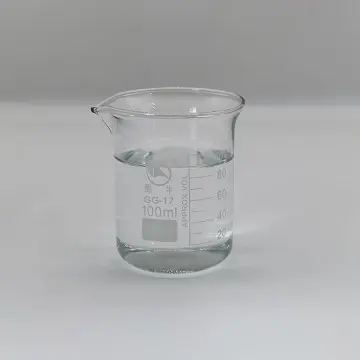
FS100 Semi-Bright Nickel Plating

FS100 Semi-Bright Nickel Plating

Excellent sulfur-free deposit with exceptional ductility and leveling properties. High compatibility with subsequent bright nickel stages.

Learn More
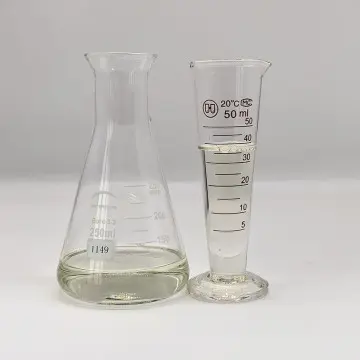
1149 Barrel Bright Nickel Plating

1149 Barrel Bright Nickel Plating

Specifically formulated for barrel operations, ensuring outstanding brightness, rapid rate of deposition, and low consumption rates.

Learn More
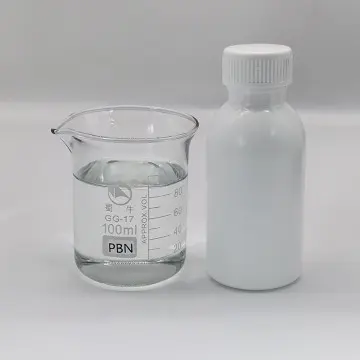
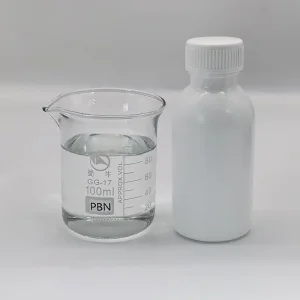
PBN Pearl Nickel

PBN Pearl Nickel

Creates a highly aesthetic, uniform satin-pearl finish for premium consumer electronics, hardware, and automotive trims.

Learn More

Localized Application Scenarios

From high-speed consumer tech assembly lines to heavy-duty power infrastructure, Hiyie's coatings protect vital technologies.

Consumer Electronics

In collaboration with electronics manufacturing giants like Foxconn Technology Group, Hiyie provides specialized coating chemistries for connectors, internal brackets, and shielding components. These coatings demand extreme dimensional precision (typically < 3 micrometers) along with consistent electrical conductivity and corrosion protection.

Electrical & Power Grid Infrastructure

For companies like the Chint Group, switchgears, busbars, and distribution fasteners require reliable corrosion barriers that withstand outdoor weathering and high operational loads. Our high-performance blue trivalent zinc and zinc-nickel alloy additives provide up to 15 years of operational protection.

Heavy Machinery & Automotive Fasteners

Serving major industrial entities like the Shifeng Group and Stanley Group, our chemical systems coat structural chassis components, wheel hubs, and sub-assembly bolts. The alkaline zinc-nickel alloy coatings (such as the 6185 series) offer critical resistance against rock chipping, mechanical stress, and aggressive road salts.

Established Chemistry Pioneer

About Suzhou Hiyie Chemical

SUZHOU HIYIE CHEMICAL CO., LTD. develops and delivers high-performance organic and inorganic surface finishing chemistry.

Our comprehensive portfolio spans consumer electronics, communication hardware, the semiconductor industry, automotive components, and decorative giftware. By partnering with leading domestic and international chemical corporations along with elite academic institutions, we have established a highly responsive R&D system capable of overcoming the industry's most challenging plating hurdles.

Hiyie operates advanced research centers in Wuhan and Shanghai, supported by a dense technical sales network serving the Pearl River Delta, Yangtze River Delta, and Bohai Rim. Our products are widely utilized and trusted by major global organizations including Foxconn, Qinghai Salt Lake Group, Chint Group, Hongbao Group, Stanley Group, and Shifeng Group.

Learn More About Hiyie
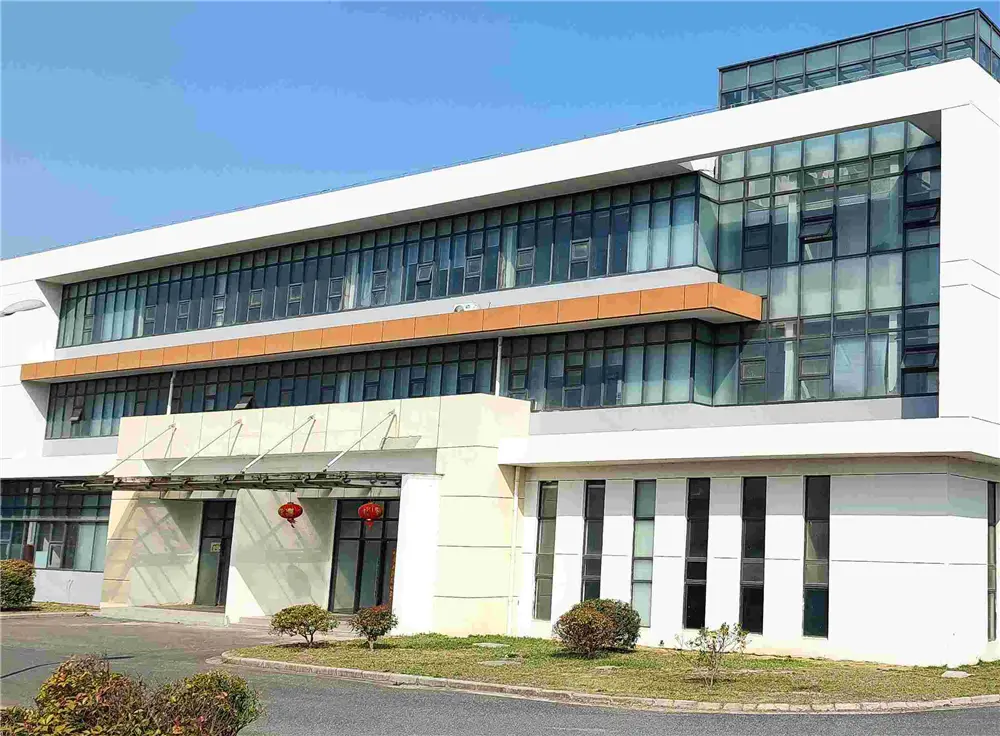
Hiyie Chemical Advanced R&D Lab Facility
20+ Years Of Electroplating Innovation

Core Strengths & Industrial Advantages

We don't just sell chemical additives; we deliver integrated surface finishing engineering solutions.

Expert Personnel Icon

Talented Personnel

We attract elite industrial chemists, seasoned sales representatives, and technical support engineers to support customers worldwide.

Dynamic R&D Icon

Adaptive R&D

Our flexible research structures let us quickly adjust formulas to match your exact substrate metals, plating speeds, and line configurations.

Eco Technology Icon

Eco-Conscious Tech

We focus on green chemistry, developing cyanide-free alkaline plating systems and trivalent chromium conversion agents.

After-Sales Service Icon

Responsive Support

Our technical teams provide comprehensive pre-sale planning, on-site bath adjustments, and fast troubleshooting.

Strategic Sourcing Guide: Blue Zinc Coating Additives

Key parameters for procurement professionals and electroplating engineers to evaluate when sourcing chemical agents.

Sourcing electroplating chemicals requires strict attention to chemical purity, formulation stability, and process consistency. Variations in additive quality can lead to high scrap rates, coating embrittlement, and inconsistent corrosion resistance.

Critical Quality Metrics for Chemical Buyers

When purchasing blue zinc passivation formulations and zinc plating brighteners, look for these performance benchmarks:

  • Cathodic Current Efficiency: Higher efficiency rates (typically >85% for alkaline cyanide-free baths) reduce hydrogen embrittlement risks in high-tensile fasteners and lower electrical power draw.
  • Metal Distribution Ratio (Throwing Power): The chemistry must deposit uniform thickness across deep recesses and complex geometries, reducing excess plating on outer edges.
  • Consumption Rate of Brighteners: High-quality organic brighteners (like Hiyie's 8315 series) resist electrolytic decomposition, maintaining low consumption rates (measured in mL/Ampere-hour) for lower operational costs.
  • Passivation Solution Lifetime: Trivalent chromium baths with high iron and zinc tolerance reduce dumping frequency and waste disposal costs.

Evaluating Chinese Exporters & Manufacturers

Overseas buyers should prioritize suppliers with robust manufacturing infrastructure and compliance certifications:

  1. Environmental Permits: Ensure the factory operates in an authorized chemical industrial park with valid wastewater treatment permits to avoid regulatory shutdowns.
  2. Custom Formulations: Verify the supplier's capacity to adjust carrier and brightener levels to match localized water hardness, temperature profiles, and line speeds.
  3. Logistics Expertise: Sourcing liquid chemical concentrates requires hazardous materials handling experience, correct UN-approved packaging, and comprehensive safety documentation (SDS).

Company News & Updates

Stay updated on Hiyie Chemical's corporate milestones, schedule notices, and metal finishing innovations.

17 Feb 2026

New Year Greetings: Embarking on a New Journey of Service & Partnership

The Snake ushers in blessings as we bid the old year farewell; The Horse brings spring as we embark on a new journey. The New Year bell rings the prelude to progress as we return to full operational capacity. We look forward to supporting our global clients with high-performance plating chemistry and technical services in the coming year.

Technical FAQ: Blue Zinc Coatings

Detailed answers to key chemical and engineering questions regarding blue trivalent zinc plating processes.

Q1: What chemical components form the basis of a modern blue zinc passivation film?
Modern blue passivation relies on trivalent chromium ($Cr^{3+}$) salts, typically chromium nitrate or chromium sulfate, combined with cobalt, nickel, or titanium compounds acting as corrosion inhibitors. Organic chelating agents (such as malic, oxalic, or malonic acids) stabilize the trivalent chromium ions in the aqueous concentrate. When electroplated zinc components are immersed in this acidic solution, a micro-reaction dissolves a small amount of zinc, raising the local pH at the metal interface. This pH shift precipitates a protective gel of chromium hydroxide and zinc hydroxide, yielding the characteristic light blue, iridescent finish.
Q2: How does alkaline cyanide-free zinc plating (e.g., 8315 series) compare to acid chloride zinc plating?
Alkaline cyanide-free zinc plating provides superior thickness distribution (throwing power) across complex parts compared to acid chloride processes, making it highly effective for threaded fasteners and complex stampings. While acid chloride systems plate faster and offer higher initial brightness, they yield poor thickness uniformity and can lead to corrosive residues in joint seams. The alkaline cyanide-free system eliminates highly toxic cyanide, simplifies wastewater treatment, and provides a ductile zinc deposit that forms an excellent base for trivalent blue passivation.
Q3: What causes a blue trivalent zinc coating to lose its corrosion resistance or turn yellow/brown?
Degraded corrosion resistance or discoloration typically stems from:
  • Iron Contamination: Accumulations of dissolved iron ($Fe^{2+}/Fe^{3+}$) in the passivation bath exceeding 100 ppm will degrade the chemical structure, leading to a yellow tint and reduced corrosion protection.
  • Thermal Dehydration: Exposing parts to temperatures above 140°C before or during curing can crack the gel layer, exposing the underlying zinc.
  • Inadequate Thickness: If the electrodeposited zinc layer is too thin (less than 5 microns) or non-uniform, cathodic protection will fail prematurely.
  • Incorrect Bath pH: The passivation reaction requires strict pH control (usually between 1.8 and 2.2). Deviation limits the formation of the chromium hydroxide film.
Q4: Can trivalent blue zinc coatings meet the 1000-hour salt spray requirement?
Standard blue trivalent passivation alone yields 72 to 120 hours of salt spray resistance to white rust (per ASTM B117 standards). To achieve high-specification corrosion resistance (e.g., 480 to 1000+ hours to red rust), the system must be upgraded. This is done by applying a zinc-nickel alloy base coat (12-15% Ni content, such as Hiyie's 6185 or ZN-318 series) followed by a high-performance trivalent passivate and an organic or inorganic silicate topcoat/sealant.
Q5: How do organic additives control the grain structure in bright zinc plating?
Organic additives act as grain refiners and leveling agents during electrodeposition. Carriers (usually high-molecular-weight surfactants) form a temporary barrier on high-current density areas, ensuring uniform metal distribution. Brighteners (typically aldehydes or quaternary ammonium compounds) adsorb onto active growth sites on the cathode, forcing the zinc ions to deposit in a tight, micro-crystalline structure. This fine-grain structure reflects light uniformly, yielding a highly reflective, bright silver-blue finish.

Secondary Plating Systems & Chemical Concentrates

Examine our broader range of electroplating additives, engineered for specialized industrial surface processing.
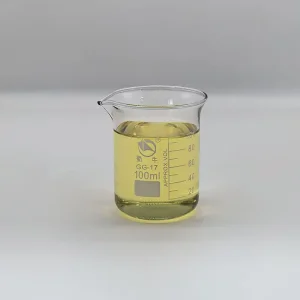
31685 Rapid Brightening Nickel Plating

31685 Rapid Brightening Nickel Plating

View Specifications
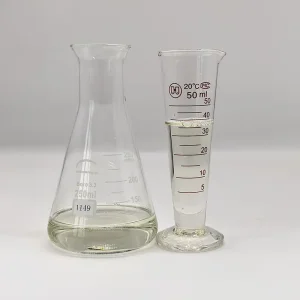
1149 Barrel Bright Nickel Plating

1149 Barrel Bright Nickel Plating

View Specifications
672 High-Speed Bright Acid Copper Plating

672 High-Speed Bright Acid Copper Plating

View Specifications
PBN Pearl Nickel

PBN Pearl Nickel

View Specifications
372 Alkaline Cyanide-Free Copper Plating

372 Alkaline Cyanide-Free Copper Plating

View Specifications
Chrome Plating Carrier 105

Chrome Plating Carrier 105

View Specifications
ZN-318Blue Trivalent Zinc-Nickel Passivation

ZN-318Blue Trivalent Zinc-Nickel Passivation

View Specifications
8315 Alkaline Cyanide-free Bright Zinc Plating

8315 Alkaline Cyanide-free Bright Zinc Plating

View Specifications