Explore our elite series of chemical formulations and additives designed to deliver unmatched chemical stability, uniform thickness distribution, and extreme corrosion resistance.
Navigating compliance, chemical consistency, and cost optimization across international industrial supply chains.
Industrial buyers face mounting pressure to eliminate toxic compounds. Global mandates such as Europe's REACH, RoHS, and EPA rules require a total shift toward Alkaline Cyanide-Free systems and Trivalent Chromium passivates to protect worker safety and minimize heavy metal wastewater output.
Procuring chemical concentrates from China isn't just about the per-kilogram raw material cost. Smart supply chains evaluate the plating bath lifetime, replenishment frequency, deposit uniformities (reducing over-plating on high-current density areas), and the scrap rates caused by poor thickness control.
Automotive and electronics OEMs require stable volume supply. As a premier Chinese manufacturer, we mitigate cross-border supply chain risks by maintaining massive manufacturing output capabilities, maintaining deep raw material reserves, and providing robust technical documentation support packages.
An authoritative analysis of modern electrodeposition mechanisms, organic additive synergies, and zinc-nickel metallurgy.
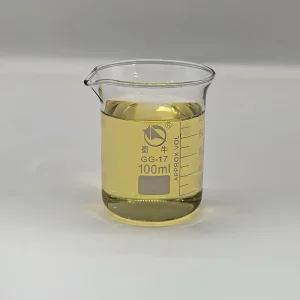
Traditional zinc plating relied heavily on sodium cyanide complexes to achieve fine-grained, smooth deposits. However, environmental regulations forced the development of alkaline cyanide-free chemistry. In systems like our 8315 Alkaline Cyanide-free Bright Zinc Plating, metal deposition is controlled through customized organic polymers (brighteners and carriers) that temporarily adsorb onto high-current density sites. This process regulates the zinc discharge speed, delivering exceptional thickness uniformity across complex geometries and eliminating the typical "dog-bone" thickness profile on threaded fasteners. The absence of cyanide reduces waste treatment costs by up to 60% while protecting the substrate from hydrogen embrittlement.
For applications subjected to severe environments (such as road salt spray or marine humidity), pure zinc coatings fail prematurely. Zinc-Nickel alloy electrodeposition, yielding a deposit containing 12% to 15% nickel by weight, forms a single gamma-phase crystal structure. This specific metallurgical phase offers superior barrier protection and sacrificial anodic performance. Additives like our 6185 Alkaline Zinc-Nickel Plating facilitate the co-deposition of nickel and zinc, providing up to 1,500 hours of neutral salt spray testing (NSST) resistance before the appearance of red rust. Additionally, Zn-Ni coatings resist thermal degradation up to 200°C, making them the standard choice for under-hood automotive fasteners and fuel systems.
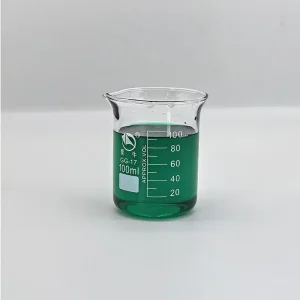
The performance of an electrodeposited zinc coating relies heavily on the subsequent passivation layer. Historically, hexavalent chromium (Cr VI) provided exceptional self-healing properties, but its carcinogenic nature led to global bans. Modern trivalent chromium passivation formulations, such as the 216 High Corrosion-resistant Iridescent Trivalent Zinc Passivation and ZN-318 Blue Trivalent Zinc-Nickel Passivation, utilize nano-silica and specific cobalt complexes to build a dense protective barrier. These trivalent chemistries match the self-healing attributes of hexavalent chromium by releasing active trivalent ions to repair micro-cracks in the passivation film when scratched or damaged.
Customized surface finishing solutions designed to address the specific performance demands of major industrial sectors.
Engineered coatings for high-tensile fasteners, brake calipers, fuel lines, and chassis brackets. Our alkaline zinc-nickel and trivalent passivates comply with rigorous global automotive specifications (including VDA 235-104 and Ford WSS-M21P17-B1/B2) for corrosion protection and controlled friction coefficients.
Providing ultra-low phosphorus electroless nickel (such as J0-1) and semi-bright nickel layers (like FS100) to establish barrier coatings, prevent electromagnetic interference (EMI), and ensure excellent solderability on connectors, lead frames, and micro-switch components.
Delivering heavy-duty sacrificial protection for hydraulic systems, wind turbine fasteners, construction machinery, and marine hardware exposed to C4 and C5 atmospheric corrosive classifications under ISO 12944.
Pioneering tomorrow's surface technology through sustainable chemistry, automation, and nanomaterial integration.
Our ongoing R&D is focused on incorporating functional carbon nanotubes and graphene oxide nanoplatelets directly into the electrodeposited zinc matrix. This next-generation composite coating significantly improves the mechanical hardness, wear resistance, and barrier properties of zinc deposits, allowing for thinner coatings without sacrificing corrosion protection.
To reduce chemical waste, we are designing smart dosing systems equipped with real-time spectrophotometers and electrochemical impedance analyzers. These sensors continuously monitor the concentrations of organic brighteners, metal ions, and breakdown products. The collected data is analyzed to automate replenishment, extending bath life indefinitely and minimizing process variability.
Select an application category below to view our dedicated electroplating chemical processes and specialized formulations.
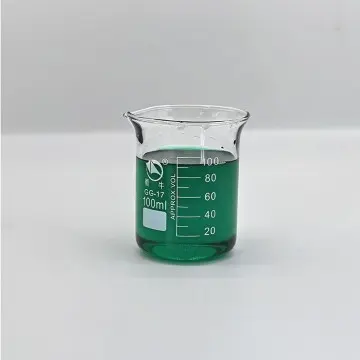
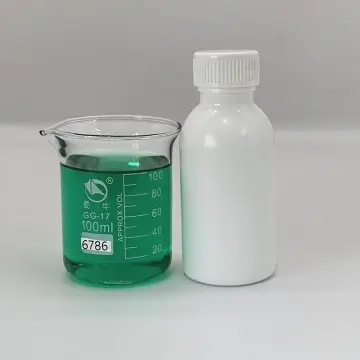
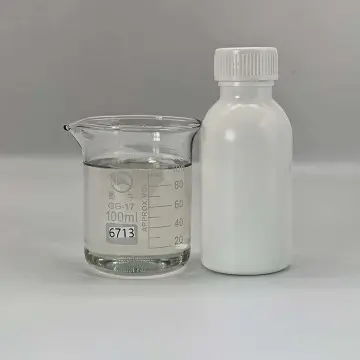
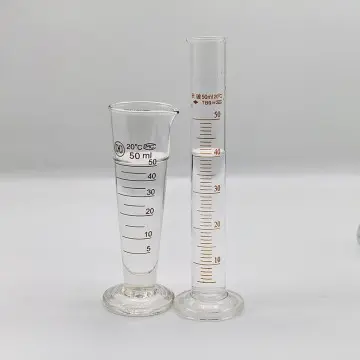
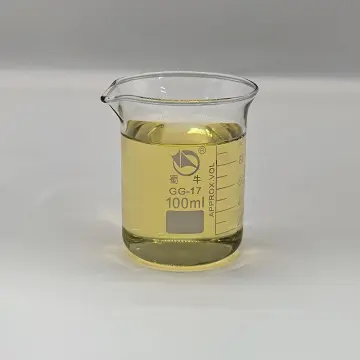
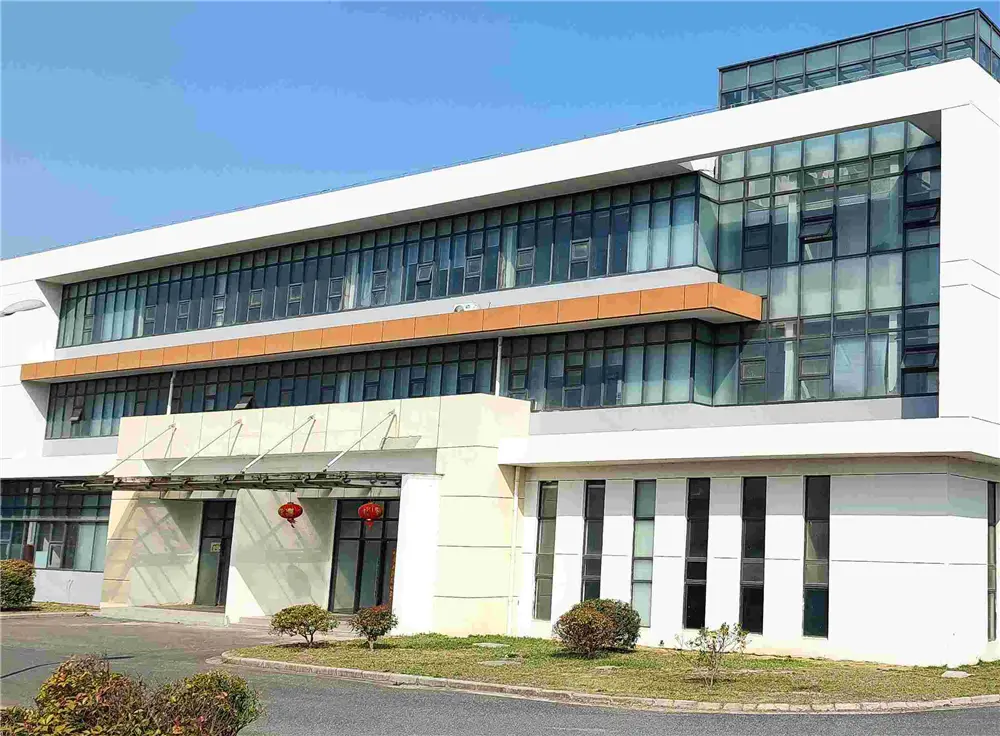
SUZHOU HIYIE CHEMICAL CO., LTD. supplies a comprehensive product portfolio serving consumer electronics, communication equipment, semiconductor industries, automotive hardware, craft gifts, and more. To solve complex surface finishing challenges, we collaborate with domestic and foreign chemical companies and universities, maintaining a joint mobile R&D center dedicated to industry-wide innovation.
Since our establishment, we have set up key R&D centers in Wuhan and Shanghai, establishing a sales network across the Pearl River Delta, Yangtze River Delta, and Bohai Rim regions. Our systems are approved and utilized by global industrial enterprises, including Foxconn Technology Group, Qinghai Salt Lake Group, Chint Group, Hongbao Group, Stanley Group, Shifeng Group, and many others, earning the company a strong reputation.
Read more about our cultureHow our technical expertise, R&D capabilities, and commitment to environmental compliance translate to real value for your production floor.

We build and recruit dedicated customer service and technical sales teams to support customers globally.

Our flexible R&D mechanism allows us to adapt formulations to meet customized specifications.

We develop and implement advanced, eco-friendly metal finishing technologies designed to minimize environmental impact.

Our professional technical teams provide comprehensive pre-sale planning, on-site installation, and after-sales support.
Providing technical service and strict chemical compliance documentation to global plating shops.
Our electroplating processes are designed to comply with global environmental regulations. Every shipment is accompanied by detailed Safety Data Sheets (SDS) and certificates of analysis (COA) confirming zero presence of restricted materials under RoHS, REACH, and California Proposition 65.
To assist with overseas implementation, we offer digital analysis and remote chemical diagnostic services. Our engineers analyze bath chemistry, diagnose impurities, and recommend dosage corrections to optimize plating bath performance remotely.
Stay informed on our latest developments, holiday arrangements, and structural technological achievements.

The Snake ushers in blessings as we bid the old year farewell; The Horse brings spring as we embark on a new journey. The New Year bell rings the prelude to progress, marking the beginning of our next chapter of growth, technological innovation, and customer dedication.
Read full articleAnswers to common technical questions regarding bath parameters, process optimization, and environmental compliance.
Explore our specialized chemical lines, ranging from rapid nickel plating agents to chrome plating carriers and acid copper processes.
 HIYIE
HIYIE