Premium quality surface treatment formulations optimized for extreme wear resistance, aesthetic brilliance, and eco-friendly standards.
The global demand for galvanic zinc plating is witnessing unprecedented growth, driven by expansion in the automotive, construction, and consumer electronics sectors. Galvanic zinc plating remains a cornerstone of cost-effective corrosion protection, combining sacrificial zinc mechanisms with high-performance aesthetics. As a leading manufacturer based in China, we see a massive transition toward eco-friendly zinc alloy electroplating processes.
In industrialized nations across Europe and North America, strict environmental regulations (such as REACH and RoHS) have compelled manufacturers to move away from hexavalent chromium and cyanide-based plating baths. Consequently, Alkaline Cyanide-Free Bright Zinc Plating (model 8315) and Alkaline Zinc-Nickel Plating (model 6185) are rapidly becoming the market standards. They offer superior thickness distribution, high current efficiency, and excellent corrosion resistance while minimizing wastewater treatment complexities.
Today's electroplating industry is defined by the integration of smart chemical additives and high-performance passivation coatings. For example, trivalent passivation solutions like the ZN-318 Blue Trivalent Zinc-Nickel Passivation have redefined the longevity of electroplated steel components, enduring up to 1000 hours of neutral salt spray testing (NSST) without the onset of red rust.
The rise of Electric Vehicles (EVs) is also shifting standard expectations. Components now require high corrosion resistance combined with controlled friction coefficients and thermal stability. This has spurred high demand for Alkaline Zinc-Nickel alloy electrodeposition, which matches automotive OEM requirements globally.
Implementing an industrial-grade plating line demands deep operational knowledge of electrochemical dynamics. We specialize in providing comprehensive chemistry solutions:
The technological trajectory of surface finishing chemistry emphasizes environmental compliance, ultra-high corrosion barriers, and automation.
Transitioning key formulations to trivalent chromium (Cr3+) passivations like our 216 High Corrosion-resistant Trivalent Zinc Passivation. Complete elimination of hexavalent chromium (Cr6+) from the industrial supply chain.
Development of advanced alkaline zinc-nickel alloy plating processes. Optimizing nickel content in the alloy layer to 12-16% to maximize corrosion protection and heat resistance in engine bays.
Implementing IoT monitoring systems to regulate additive levels, pH, temperature, and current density in real-time, reducing chemical waste and ensuring stable plating quality.
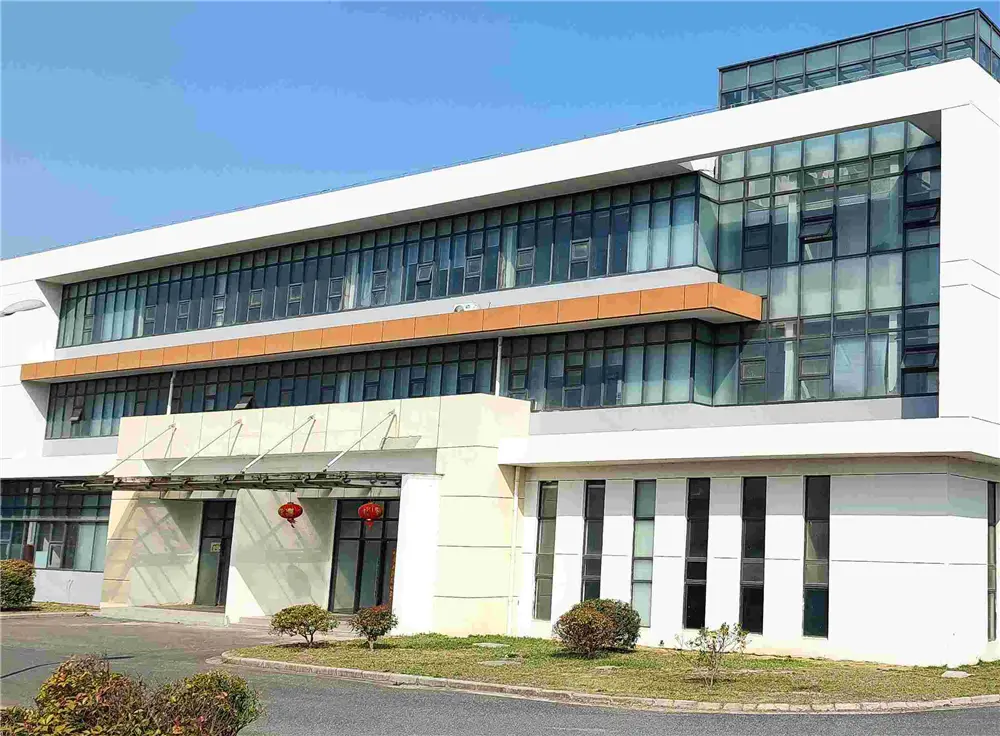
SUZHOU HIYIE CHEMICAL CO., LTD delivers advanced chemical formulations spanning consumer electronics, telecommunications, semiconductor fabrication, automotive hardware, and structural steel manufacturing.
In partnership with leading chemical enterprises and research universities, Hiyie has established agile R&D hubs in Wuhan and Shanghai. Our commercial and technical support network spans the Pearl River Delta, Yangtze River Delta, and the Bohai Rim, delivering reliable chemical supply chains and surface finishing solutions worldwide.
Our operational methodology is designed to meet strict industrial specifications through quality-assured chemical engineering.
We employ a dedicated team of research scientists, sales experts, and support engineers to assist clients throughout the integration phase.
Our agile R&D mechanism is tailored to meet complex, custom requirements for alloy composition, thickness, and performance.
We engineer advanced chemistry designed to reduce environmental impact while maintaining high corrosion resistance.
Our pre-sale, installation support, and after-sales teams provide onsite bath management and analytical troubleshooting.
Expert technical answers to common questions about zinc plating chemistry, passivations, and process optimization.
A: Acid zinc baths offer higher current efficiency and exceptional brightness, making them ideal for carbon steel fasteners. However, alkaline cyanide-free baths (such as our 8315 system) provide superior thickness distribution (throwing power) across complex geometries, minimizing the risk of over-plating outer edges while ensuring adequate coverage in recessed areas.
A: Zinc-nickel electroplating deposits an alloy containing 12% to 16% nickel. This structure provides up to ten times the corrosion protection of plain zinc, offering high heat resistance (up to 200°C) and compatibility with aluminum parts, which prevents galvanic corrosion in automotive assemblies.
A: Hydrogen embrittlement occurs when atomic hydrogen is absorbed into the steel lattice during acid cleaning and electroplating. To prevent failure, high-strength parts (tensile strength > 1000 MPa) should undergo a baking relief cycle (typically 190°C–220°C for 4 to 24 hours) immediately after plating and before the passivation process.
A: Trivalent passivations (like our 216 and ZN-318 systems) formulate nano-silica and specific cobalt metal stabilizers into the Cr3+ film. This structure acts as a dense physical barrier, blocking moisture and chloride ion penetration to match or exceed the corrosion resistance of traditional hexavalent processes.
Keep up with the latest operational announcements, technology developments, and seasonal updates from Suzhou Hiyie.

The Snake ushers in blessings as we bid the old year farewell; The Horse brings spring as we embark on a new journey. The New Year bell rings the prelude to progress. Suzhou Hiyie Chemical steps into 2026 with upgraded production capacities, expanded laboratory facilities, and optimized chemical solutions tailored to global industrial demands.
Our comprehensive range of passivations, nickel finishes, and alloy coatings designed for modern engineering applications.
 HIYIE
HIYIE