High-purity chemical formulas and passivation additives customized for extreme performance benchmarks in industrial electrodeposition lines.
Deciphering the molecular dynamics, ecological compliances, and process optimizations that shape modern protective coating technologies.
In modern manufacturing, global infrastructure and high-demand applications rely heavily on effective anti-corrosion solutions. The galvanized zinc coating and electrodeposition market is undergoing a major shift. Industrial manufacturers are moving away from old, high-pollution acid formulations toward advanced alkaline, cyanide-free, and alloy-rich deposition chemistries. Driven by stricter environmental regulations (such as RoHS 3, REACH, and EPA Clean Water rules), global factories are updating their lines to ensure process safety without losing protective performance.
China's manufacturing sector has adapted to meet these needs, shifting from low-cost production to a focus on research-driven, high-value specialty chemical supplies. This chemical shift is key to protecting critical equipment in high-stress environments. These applications range from marine equipment exposed to salty air to automotive components that need to withstand high heat under the hood.
The electroplating industry is moving toward smart, precise, and green chemistries. The development roadmap focuses on resolving the classic trade-off between plating speed, bath stability, and deposit quality. Emerging tech trends include:
Integrating nano-silica and unique transition metal dopants into trivalent chrome films creates a self-healing layer. If the surface suffers minor scratches during transport or assembly, the trivalent chrome matrix can migrate slightly to reseal the damaged area, preserving its anti-corrosion properties.
Removing cyanide from copper and zinc formulations is crucial for worker safety and waste management. Today's cyanide-free alkaline copper and zinc solutions use advanced organic chelators. These agents control metal ion release, ensuring excellent thickness uniformity even in deep recesses and threaded surfaces.
Modern plating systems use real-time sensors to track brightener, carrier, and metal concentrations. Automated dosing systems adjust the bath chemistry continuously, preventing defects like burning, pitting, or brittle deposits, and helping to ensure stable quality across large production runs.
Providing reliable surface protection requires more than just selling raw chemicals; it involves delivering complete, integrated plating systems. An optimized process line is built on three key stages:
A clean substrate is essential for proper coating adhesion. If oils, rust, or oxide scales remain on the surface, the coating may blister or peel. Using advanced degreasers and acidic pickling inhibitors ensures the metal surface is clean and ready for electrodeposition.
The plating bath needs the right mix of primary salts, conductive salts, stabilizers, and grain refiners. Products like the 8315 Alkaline Cyanide-free Bright Zinc Plating system use proprietary organic additives to produce bright, ductile, and low-stress zinc deposits over a wide range of current densities.
Adding an organo-mineral or silica-based topcoat seal over trivalent passivation films significantly boosts wear resistance and corrosion protection. These sealers also control friction coefficients, which is an important requirement for automated fastener assembly in the automotive industry.
Selecting the right plating bath and passivation chemicals for specific industrial and commercial requirements.
Automotive Applications: Parts like brake calipers, fuel lines, engine mounts, and chassis fasteners need to withstand salt spray, road debris, and high operating temperatures. Using an alkaline zinc-nickel alloy plating (like the 6185 system) followed by a trivalent passivate and torque-tension control sealer helps ensure reliable performance throughout the vehicle's lifespan.
Consumer Electronics: Shielding cases, small brackets, and internal connectors require good corrosion resistance, clean cosmetic finishes, and high conductivity. Electroless nickel systems with varying phosphorus levels provide uniform thickness and precise wear resistance, even on complex internal geometries.
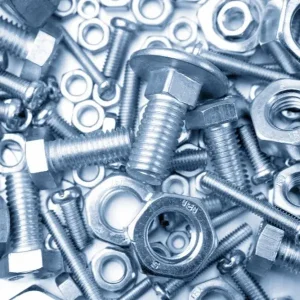
Heavy Machinery: Threaded rods, structural bolts, and hydraulic pipes require robust coatings that resist physical damage and harsh outdoor exposure. Heavy barrel bright nickel or cyanide-free zinc plating delivers durable thickness and cathodic protection, keeping critical connections safe and secure.
SUZHOU HIYIE CHEMICAL Co., LTD has a product portfolio that covers consumer electronics, communication equipment, semiconductor industry, automotive hardware, craft gifts, and more. The company has collaborated with multiple domestic and foreign chemical companies and universities to establish a mobile R&D center dedicated to solving technical challenges in the industry.
Since its establishment, the company has set up R&D institutions in Wuhan and Shanghai. Its marketing network covers the Pearl River Delta, Yangtze River Delta, and Bohai Rim regions. Its products have been widely used and recognized by many well-known domestic and foreign companies such as Foxconn Technology Group, Qinghai Salt Lake Group, Chint Group, Hongbao Group, Stanley Group, Shifeng Group, and others, earning the company a good reputation and a wide market.
Explore Corporate Roadmap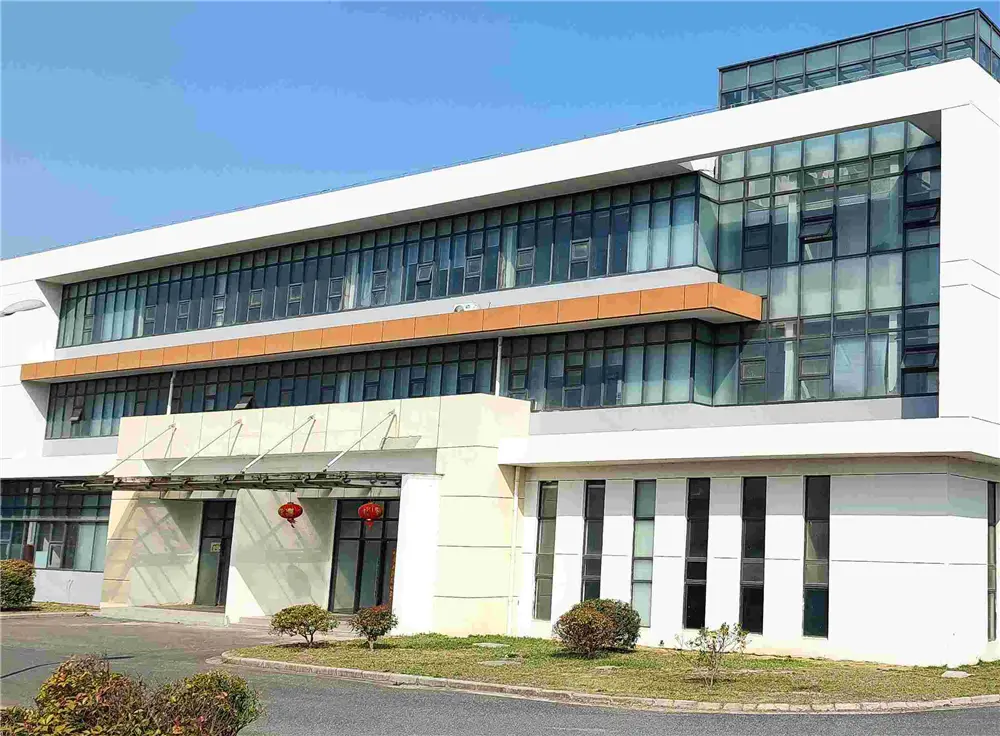
Commitment to green chemistry, innovative formulas, and customer-focused engineering.

The company introduces a large number of staff, sales, talents, and is responsible for customers.

The flexible R & D mechanism can satisfy the highest and specific requirements of customers.

The most updated technology with the philosophy of environmentally-friendly.

We have professional pre-sale, sale and after-sale team to provide you with high quality service.
Stay informed on corporate achievements, technological releases, and global supply schedules.
Professional insights on chemical formulations, application techniques, and regulatory compliance.
Alkaline cyanide-free plating systems deliver excellent thickness uniformity across complex shapes, reducing excess build-up on outer edges and ensuring adequate coverage in recesses. This process avoids hydrogen embrittlement on high-tensile fasteners and eliminates cyanide waste treatment costs.
Trivalent passivation containing nickel (like the ZN-318 system) forms a dense, stable barrier film. When paired with a zinc-nickel alloy base, this combination prevents zinc oxides from forming, helping automotive and industrial parts withstand over 1,000 hours of salt spray exposure.
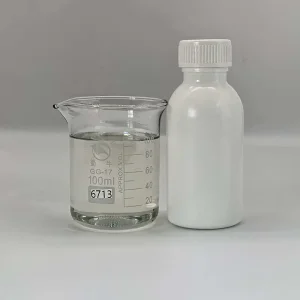
Low phosphorus offers good micro-hardness and wear resistance; mid-phosphorus (like HITEC EN 6713) balances speed, brightness, and general corrosion protection; while high phosphorus (like HITEC EN 6786) provides excellent chemical resistance in highly acidic environments.
Suzhou Hiyie works with chemical labs and universities to develop cleaner processes. Our products focus on cyanide-free copper and zinc systems, as well as hexavalent-free passivation agents, helping customers meet global environmental standards like RoHS 3 and REACH.
A complete selection of nickel, copper, and alloy plating formulations engineered for consistent industrial performance.
 HIYIE
HIYIE