Explore our world-class metallic plating and chemical system offerings engineered to extend service life and improve structural stability across critical infrastructure sectors.
An authoritative engineering breakdown of the metallurgical chemistry, economic factors, and technical benchmarks defining the global hot dip zinc plating landscape.
Metallic corrosion imposes massive financial burdens on global infrastructure, accounting for upwards of 3-4% of global GDP in annual maintenance and structural replacement costs. Hot dip zinc plating—along with advanced electroplated zinc-nickel alloys and trivalent passivation coatings—serves as the primary line of defense. Through electrochemical sacrificial protection, zinc acts as the anode, oxidizing preferentially to safeguard the underlying steel substrate.
When steel is immersed in a molten zinc bath at approximately 450°C (840°F), a series of iron-zinc alloy layers are formed via intermetallic diffusion. These metallurgically bonded layers, ranging from the brittle Gamma phase closest to the steel to the outer Eta phase of pure zinc, provide a barrier that is tougher than the base steel itself. Our technology integrates modern additives to control iron-zinc reactions, especially when galvanizing silicon-killed reactive steels.
Global engineering, procurement, and construction (EPC) firms face complex supply chain dynamics. Procuring zinc-plated steel or specifying surface finishing chemistries from China demands adherence to international standards such as ASTM A123/A123M, ISO 1461, and AASHTO M111. Procurement officers must verify critical properties including coating weight (expressed in g/m² or oz/ft²), thickness uniformity, and adhesion characteristics.
Beyond raw coating thickness, modern industrial buyers look for microalloyed plating baths containing nickel, aluminum, or bismuth. These microalloys improve fluid flow in the bath, minimize excess zinc consumption, and ensure high-luster, uniform finishes that withstand extreme marine and industrial environments (C3 to C5 corrosive classes).
Combining electroplated zinc with nickel at a target composition of 12% to 16% nickel delivers up to 10 times the corrosion protection of traditional zinc coatings. This alloy inhibits red rust for over 1,000 hours in standard neutral salt spray tests, offering a high-performance alternative for automotive underbody components and heavy machinery fasteners.
Understanding the transition from traditional heavy-emission galvanizing to automated, environmentally conscious surface modification systems.
Developing cyanide-free plating chemicals and trivalent passivates to reduce chemical hazards, ensuring compliance with global RoHS and REACH regulations.
Implementing specialized zinc-nickel and electroless nickel systems to achieve thin, high-performance protective layers on complex, close-tolerance parts.
Utilizing closed-loop control systems to monitor plating bath chemistry and temperature in real time, delivering consistent coating thickness and quality.
| Coating Technology | Typical Thickness (µm) | Corrosion Resistance (Neutral Salt Spray) | Primary Industrial Applications |
|---|---|---|---|
| Standard Hot Dip Zinc Plating | 45 - 85+ | 500 - 800 Hours (to Red Rust) | Structural Steel, Highway Guardrails, Solar Racking |
| Alkaline Zinc-Nickel Plating (12-16% Ni) | 8 - 15 | 1000 - 1500+ Hours (to Red Rust) | Automotive Underbody, Heavy Industrial Fasteners |
| Electroless Nickel Plating (High Phosphorus) | 10 - 50 | 400 - 800 Hours (Chemical Resistance) | Oil & Gas Valves, Semiconductor Tooling, Electronics |
| Alkaline Cyanide-Free Bright Zinc Plating | 5 - 25 | 240 - 500 Hours (with Trivalent Passivation) | Consumer Electronics, Decorative Fittings, Light Hardware |
High-performance protective coatings rely on thorough substrate preparation. A typical sequence begins with chemical degreasing to remove mill oils, followed by acid pickling to strip mill scale and rust. For hot dip processes, fluxing in an aqueous zinc ammonium chloride solution prepares the clean steel for reactions with molten zinc.
For precision engineering applications where dimensional clearances are tight, hot dip coating may be too thick or uneven. In these scenarios, electroplated zinc-nickel alloys or mid/high-phosphorus electroless nickel are preferred. These plating processes apply uniform barrier protection without altering the part's functional geometry, preventing thread galling during assembly.
A Leading Manufacturer and Supplier of Specialty Organic Plating Additives and Advanced Surface Treatment Formulations.
SUZHOU HIYIE CHEMICAL Co.,LTD delivers chemical systems designed for electronics, communications, semiconductor manufacturing, automotive hardware, and consumer goods. Through partnerships with chemical research institutes and universities, we operate dedicated R&D laboratories in Wuhan and Shanghai to address complex surface-finishing challenges.
Our distribution network serves the Pearl River Delta, Yangtze River Delta, and Bohai Rim industrial regions. Hiyie's plating systems are used and trusted by major manufacturing and infrastructure brands, including Foxconn Technology Group, Qinghai Salt Lake Group, Chint Group, Hongbao Group, Stanley Group, and Shifeng Group.
Learn More About Our Team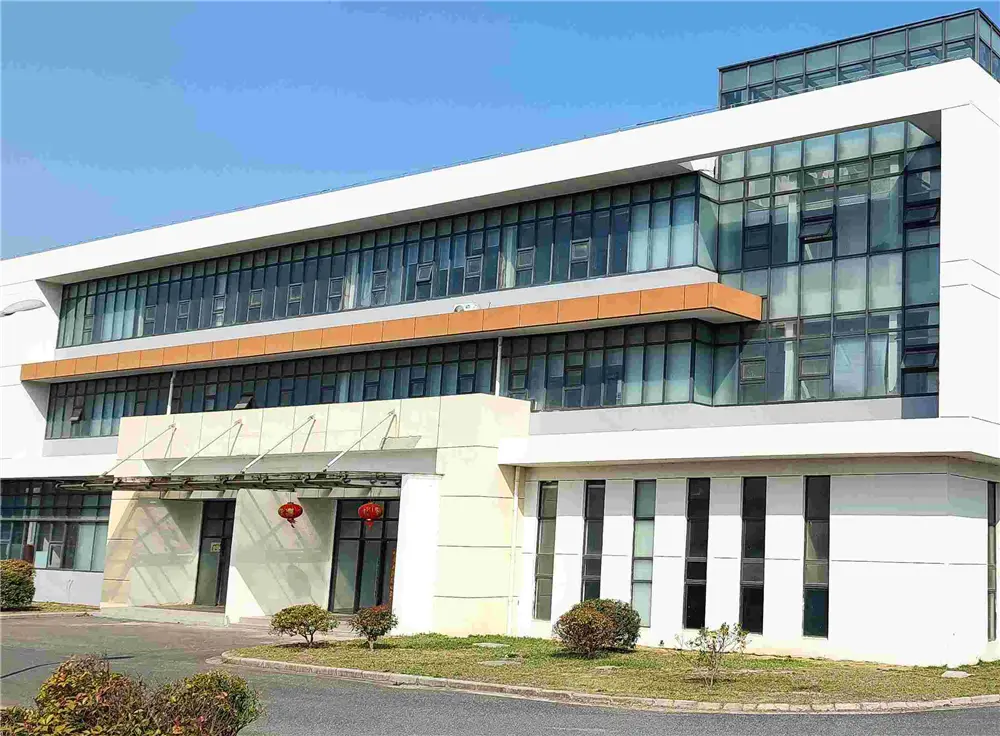
We deliver chemical consistency, collaborative research and development, and responsive technical support to meet demanding industrial specifications.

Our engineering and sales teams bring extensive experience in chemical formulation and application to support our clients' manufacturing lines.

We customize bath parameters and chemistry systems to meet specific adhesion, hardness, and corrosion-resistance specifications.

We focus on developing low-emission, non-toxic, and waste-reducing formulations that align with global environmental mandates.

Our field engineers assist with bath configuration, troubleshooting, and optimization to ensure consistent coating quality.
A guide to navigating international standards, environmental regulations, and chemical composition analysis.
When sourcing plated products or chemical additives from Chinese manufacturers, procurement departments must implement rigorous testing protocols. For hot dip zinc plated components, these protocols should include magnetic induction thickness measurements (per ASTM E376), weigh-strip-weigh chemical analysis (per ASTM A90), and visual inspection for surface defects like flux inclusions, dross highlights, or peeling.
For electroplated components, particularly those using trivalent passivation systems, testing must verify both salt spray resistance and coating adhesion. The cross-hatch tape test (ASTM D3359) and thermal shock tests are typically used to ensure the protective layers will not delaminate under cyclic temperature conditions in automotive engine compartments or outdoor power cabinets.
The global regulatory environment requires elimination of hazardous heavy metals, specifically hexavalent chromium (Cr6+) and cyanide complexes, which were historically common in surface finishing. Modern plating lines rely on trivalent chromium passivates (such as our 216 Iridescent Trivalent Passivation) and alkaline cyanide-free baths.
Implementing these green chemistries reduces wastewater treatment costs and ensures that processed products can be exported to European and North American markets without violating environmental directives. We prioritize developing formulations that deliver high corrosion resistance while minimizing overall ecological footprint.
Answers to common technical, commercial, and process questions regarding zinc plating and surface treatment chemistries.
Stay informed about our corporate milestones, technological updates, and seasonal events.
Our comprehensive catalog of high-performance plating additives, passivates, and chemical systems designed for demanding industrial environments.
 HIYIE
HIYIE
