Explore our professional line of industrial surface coatings engineered for outstanding wear protection, electrical conductivity, and corrosion resistance.
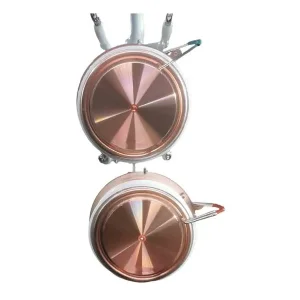
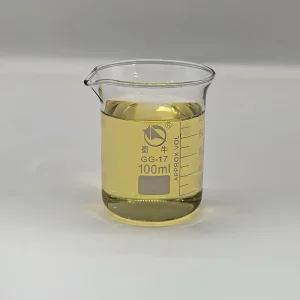
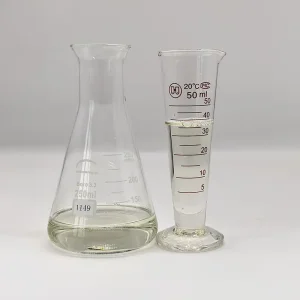
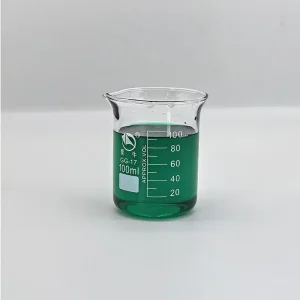
Electroless Nickel (EN) plating has established itself as an indispensable method for industrial surface modifications. Unlike traditional electroplating processes that rely on external electric currents, electroless nickel plating utilizes a controlled autocatalytic chemical reduction mechanism. The reduction of nickel ions onto a catalytic substrate is powered by chemical reducing agents (typically sodium hypophosphite), resulting in a uniform, precise, and highly conformal alloy deposit. The properties of the resulting coating are heavily dictated by the weight percentage of phosphorus co-deposited with the nickel matrix.
In global industrial systems, electroless nickel formulations are classified into three primary bands:
The global demand for high-performance functional surface treatments has escalated sharply, driven by rapid advancements in microelectronics, electric vehicles (EV), renewable energy installations, and ultra-precision manufacturing. Industrially developed regions across Europe, North America, and East Asia are enforcing stringent environmental compliance directives—including RoHS 3 (Restriction of Hazardous Substances), REACH (Registration, Evaluation, Authorisation and Restriction of Chemicals), and WEEE directives. The elimination of heavy metal stabilizers like Lead (Pb) and Cadmium (Cd) in chemical formulations has reshaped the international landscape.
As a leading Chinese chemical developer, Suzhou Hiyie Chemical Co., Ltd. stands at the forefront of this green transition. We supply stable, high-speed, and environmentally compliant chemical systems designed to meet international engineering benchmarks. Our localized manufacturing footprint ensures supply-chain resilience, cost-effective scaling, and immediate technical support to global distributors and manufacturing centers.
Modern engineering designs necessitate specific performance attributes for surface interfaces. High-hardness, low-phosphorus coatings are not merely decorative elements; they represent key functional features in industrial assemblies. Below are the macro-level solutions provided by our low phosphorus chemistry:
For advanced semiconductor fabrication, low-P deposits serve as superior diffusion barriers. They facilitate Under Bump Metallization (UBM) pathways with extremely low electrical resistivity and high shear strength compatibility for micro-bumping processes.
Components such as fuel injectors, piston rings, and brake cylinders operate under intense kinetic friction. The microcrystalline hardness of low-phosphorus plating drastically reduces abrasive wear rates under heavy loads.
In high-frequency connector shells and printed circuit boards (PCBs), low phosphorus nickel ensures clean solder connections with minimal signal attenuation, overcoming the "black pad" issue often found in high-P alloys.
To assist chemical engineers and metal finishers in selecting the correct formulation for their production lines, we have tabulated the physical and chemical characteristics of our representative formulations:
| Property Parameter | J0-1 Ultra-Low Phosphorus | HITEC EN 6713 Mid Phosphorus | HITEC EN 6786 High Phosphorus |
|---|---|---|---|
| Phosphorus Content (wt%) | 1.0% - 3.0% | 6.0% - 9.0% | 10.0% - 13.0% |
| As-Plated Hardness (HV0.1) | 680 - 750 | 500 - 580 | 400 - 480 |
| Heat-Treated Hardness (400°C, 1hr) | 950 - 1050 HV | 850 - 950 HV | 800 - 900 HV |
| Magnetic Response | Strongly Ferromagnetic | Weakly Magnetic | Non-Magnetic (Amorphous) |
| Resistivity (µΩ·cm) | 15 - 25 | 60 - 75 | 90 - 110 |
| Salt Spray Resistance (5% NaCl) | Moderate (< 24 hours) | Good (96 - 200 hours) | Excellent (500 - 1000+ hours) |
At Suzhou Hiyie Chemical Co., Ltd., we recognize that supplying premium chemical products requires robust compliance documentation and responsive technical support. We maintain a quality management system certified to global standards to ensure consistent batch quality.
Our global shipping networks are backed by complete Material Safety Data Sheets (MSDS), Technical Data Sheets (TDS), and certification documents verifying compliance with RoHS, WEEE, and REACH initiatives. Furthermore, our dedicated technical support teams operate across major industrial zones to offer troubleshooting on bath chemistry, replenishment schedules, filtration methods, and substrate pretreatment protocols.
Low phosphorus electroless nickel plating is highly effective for specific industrial substrates. Let us analyze key substrate challenges and solutions:
Aluminum is widely selected in modern aerospace and automotive engineering due to its high strength-to-weight ratio. However, its natural oxide film makes it highly reactive and prone to adhesion failure. By implementing a standardized double-zincating pretreatment line followed by our J0-1 Ultra-Low Phosphorus process, manufacturers can deposit a highly uniform nickel-phosphorus layer that acts as an excellent mechanical barrier. This layer provides significant resistance against micro-grooving and abrasive wear.
Plastic injection molds and extrusion dies operate under continuous thermal cycles and high shear stress from abrasive fiber fillers. Standard tooling steels wear down quickly under these conditions. Depositing a 25-50 micron layer of low-phosphorus electroless nickel, followed by heat treatment at 400°C, increases the surface hardness to over 1000 HV. This hardness rivals hard chrome plating while eliminating hazardous hexavalent chromium baths.
Our commitment to continuous technological development drives our research roadmap at Suzhou Hiyie Chemical Co., Ltd. Our mobile R&D laboratories in Shanghai and Wuhan are currently focusing on the following technological advancements:
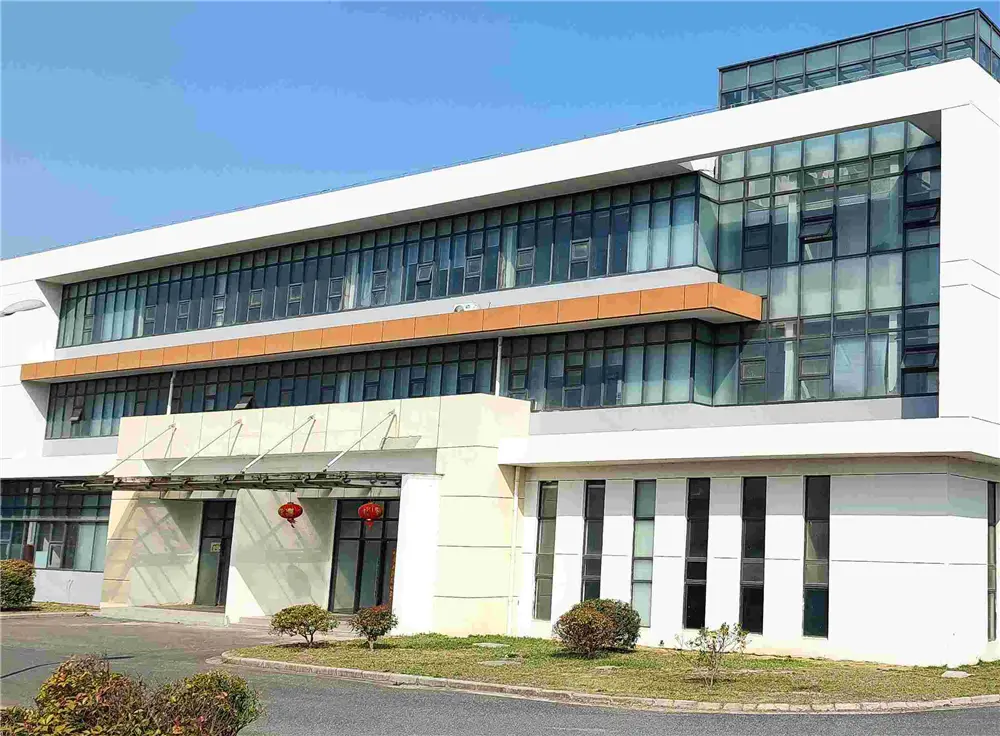
SUZHOU HIYIE CHEMICAL CO., LTD. offers a comprehensive product portfolio serving consumer electronics, communication equipment, semiconductor manufacturing, automotive hardware, craft gifts, and related industries. The company collaborates with international chemical firms and leading academic institutions to operate a mobile R&D center focused on solving technical challenges in industrial surface finishing.
Since our establishment, we have built advanced R&D facilities in Wuhan and Shanghai. Our marketing and technical service network covers the Pearl River Delta, Yangtze River Delta, and Bohai Rim regions. Our formulations are widely used by global manufacturers, including Foxconn Technology Group, Qinghai Salt Lake Group, Chint Group, Hongbao Group, Stanley Group, and Shifeng Group, earning our products a strong market reputation.

Our highly trained technical sales and engineering support teams are dedicated to solving complex customer issues.

Our agile research and development structure allows us to customize chemical formulations to meet specific user criteria.

We develop environmentally friendly products designed to comply with international environmental initiatives.

Our structured pre-sale, installation, and after-sale services ensure optimal bath operation and minimal downtime.
Browse our full range of surface finishing formulations, including passivation treatments and copper, zinc, and nickel plating systems.
 HIYIE
HIYIE
