Explore our high-purity electroplating brighteners, stabilizers, and specialized nickel alloys engineered for superior corrosion protection, high ductility, and mirror-bright finishes.
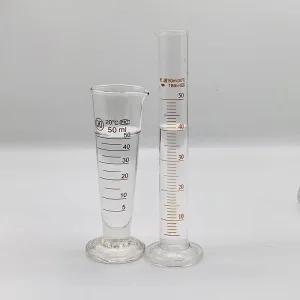
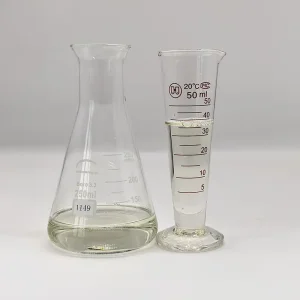
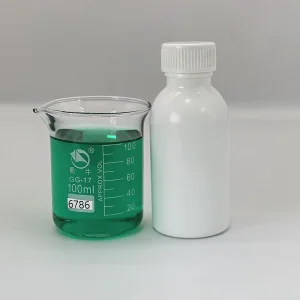

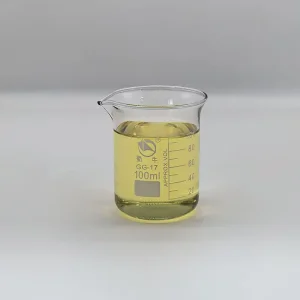
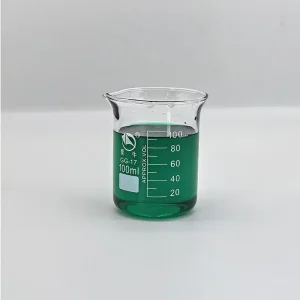
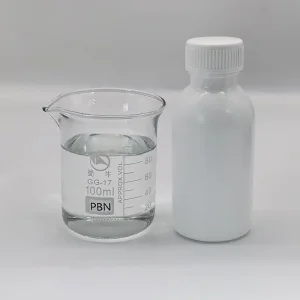
For decades, electroplating processes relied on basic organic compounds with significant compromises in bath life and impurity tolerance. Today, Chinese nickel brightener manufacturers have rewritten the paradigm. Driven by aggressive investments in high-purity chemical synthesis, local manufacturers like Suzhou Hiyie Chemical Co., Ltd. produce top-tier organic intermediates.
By synthesizing specialized levelers and carriers such as propargyl alcohol derivatives, pyridinium propyl sulfobetaine (PPS), and other acetylenic compounds in-house, Chinese factories ensure exceptional quality control at molecular level. This results in plating baths with high tolerance to metallic impurities, wide current density ranges, and superior leveling performance.
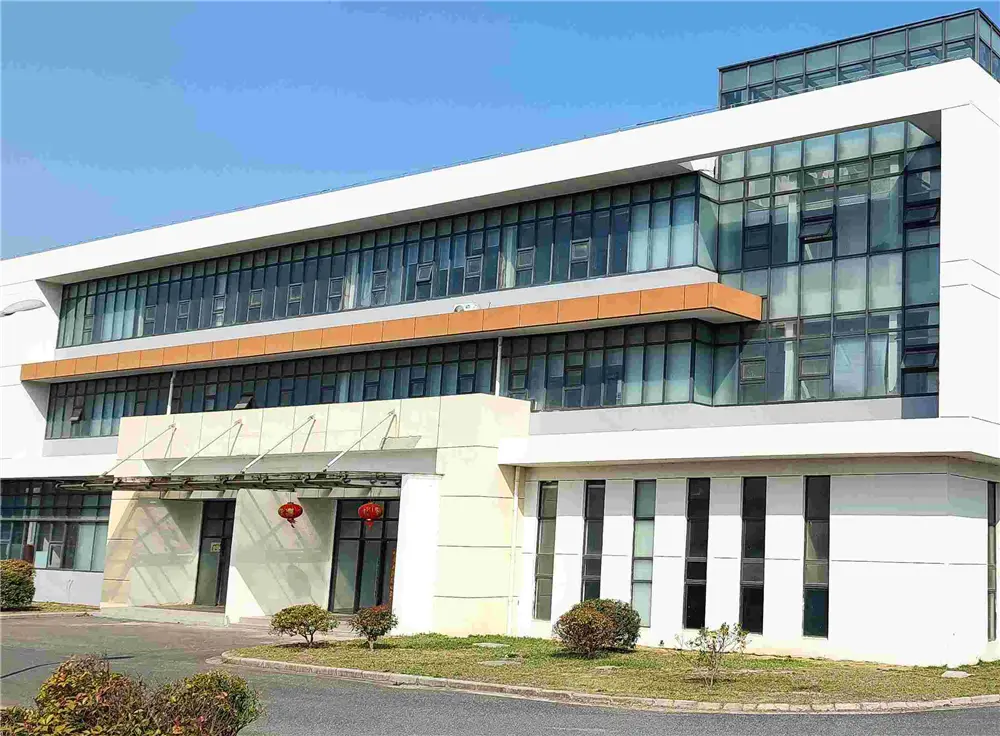
SUZHOU HIYIE CHEMICAL Co., LTD has established a comprehensive product portfolio covering consumer electronics, high-speed telecommunications, automotive hardware, craft gifts, and the semiconductor industry.
By collaborating with domestic and foreign chemical institutes and universities, Hiyie Chemical has set up a mobile R&D center dedicated to resolving difficult industry problems in surface treatment. The company runs state-of-the-art research centers in Shanghai and Wuhan.
Its marketing and sales network spans across the Pearl River Delta, Yangtze River Delta, and Bohai Rim regions, providing seamless, high-touch support. Today, Hiyie Chemical's formulations are widely used by industrial giants including Foxconn Technology Group, Qinghai Salt Lake Group, Chint Group, Hongbao Group, Stanley Group, and Shifeng Group.
Modern electroplating must deliver flawless functional properties alongside stunning aesthetic finishes. Here are the core industries utilizing our nickel brightener formulations:
Excellent corrosion protection, low thickness variations, and precise conductivity for smartphone components, laptop chassis, and electronic shieldings.
Ultra-low and high phosphorus electroless nickel plating (ENP) providing uniform thickness on complex geometry and non-conductive ceramic/silicon surfaces.
Alkaline zinc-nickel and trivalent zinc passivation technologies achieving over 1,000 hours of neutral salt spray testing (NSS) without red rust.
Advanced barrel and rack bright nickel plating designed to produce brilliant, mirror-like chrome finishes with exceptional leveling.
We combine first-rate R&D talent, sustainable chemistry philosophies, and expert technical service to solve complex surface finishing issues.

We recruit top-tier chemical engineering talent, ensuring our technical service and client solutions are executed to perfection.

Our research and synthesis labs adapt quickly to custom chemical modification, targeting specific customer requirements.

Eco-compliant formulations focusing on trivalent chromium, cyanide-free copper/zinc, and zero lead/cadmium codeposition.

Full pre-sale testing, chemical bath analysis, and complete on-site troubleshooting for large-scale plating lines.
To achieve maximum brightness and leveling, a nickel plating solution requires a carefully balanced blend of additives. These additives are classified based on their functional behavior at the cathode surface.
Primary brighteners (often called carriers) are usually sulfur-containing organic compounds, such as sodium saccharin, naphthalene trisulfonic acid, or allyl sulfonate. They are used in relatively high concentrations (1–10 g/L).
Mechanism: Carriers refine the grain structure of the deposited nickel. They provide a uniform, semi-bright deposit with low internal stress and act as the baseline helper for the secondary brightener to work efficiently without causing stress cracks or brittleness.
Secondary brighteners are added in much smaller amounts (typically milligrams per liter). These include acetylenic compounds, pyridine derivatives, or imines (e.g., PPS, DEP, PPSOH).
Mechanism: These compounds polarize the cathode, adsorbing selectively on high-current density areas (peaks). This temporarily blocks nickel deposition on the peaks, forcing the nickel ions to deposit in the valleys. The result is a highly leveled, mirrored surface.
As environmental regulations globally (like REACH, EPA guidelines) tighten, the plating industry is rapidly shifting away from hexavalent chromium and cyanide-based compounds. Hiyie Chemical has pioneered cyanide-free alkaline copper and zinc solutions, alongside high-performance trivalent passivations (like ZN-318 Blue Trivalent Zinc-Nickel Passivation). These products yield equal or superior corrosion resistance compared to historical systems, without the toxic burden.
When purchasing large volumes of electroplating intermediates, quality managers must verify critical parameters to ensure bath consistency and long term stability.
Impure raw intermediates degrade rapidly, leading to high concentrations of organic breakdown products. Insist on HPLC chromatography validation for critical brightener components.
Verify the brightener's sensitivity to metallic impurities. High-quality brightener formulations contain dedicated chelating agents that maintain bright plating even with minor drag-in contamination.
Electroplating concentrates can contain regulated organic compounds. Working with certified exporters like Hiyie ensures correct GHS SDS documentation, marine transportation compliance, and smooth customs clearing.
Detailed technical insights for electroplating engineers and procurement managers.
Review our full spectrum of industrial-grade electroplating baths, including high-speed acid copper carriers, blue zinc-nickel passivations, and cyanide-free alkaline plating systems.

 HIYIE
HIYIE