Explore our premium grade chemical solutions designed to enhance wear resistance, prevent oxidation, and extend the lifespan of heavy-duty and precision industrial hardware.
In modern industrial applications, the degradation of steel and ferrous alloys due to atmospheric and chemical corrosion represents billions of dollars in annual losses. Traditional electroplated coatings, such as pure zinc, acid zinc, or toxic cadmium plating, are increasingly failing to meet the rising demands of harsh environments. As a result, Nickel-Zinc (Ni-Zn) alloy plating has emerged as the premier high-performance sacrificial coating technology.
By co-depositing Nickel and Zinc, typically maintaining a nickel content range of 12% to 16%, the coating creates a highly stable, single gamma-phase crystalline structure. This specific metallurgical composition exhibits a corrosion resistance profile up to 10 times greater than pure zinc plating and significantly surpasses other alloys like zinc-iron or zinc-cobalt.
The global shift toward Ni-Zn coatings is accelerated by strict environmental directives. The complete phase-out of hexavalent chromium coatings and the elimination of cadmium under European Union directives like RoHS (Restriction of Hazardous Substances) and REACH (Registration, Evaluation, Authorisation and Restriction of Chemicals) have positioned trivalent-passivated zinc-nickel systems as the gold standard for long-term corrosion prevention.
| Coating Type | Salt Spray Resistance (Red Rust) | Thermal Stability |
|---|---|---|
| Pure Zinc Plating | 96 - 120 Hours | Poor (<100°C) |
| Zinc-Iron Alloy | 240 - 360 Hours | Moderate |
| Alkaline Zinc-Nickel (12-16% Ni) | 1000 - 1500+ Hours | Excellent (Up to 300°C) |
*Note: Tested under ASTM B117 neutral salt spray conditions with trivalent passivation chemistry.
How procurement managers and technical directors assess electroplating chemical suppliers for high-stakes industrial applications.
Automotive tier-1 suppliers and offshore wind infrastructure contractors demand coatings that withstand more than 1000 hours of Neutral Salt Spray (NSS) test without showing substrate red rust. Maintaining consistent coating thickness (8-12 microns) across complex geometries is non-negotiable.
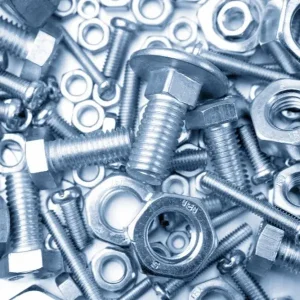
High-strength steel fasteners (Class 10.9, 12.9 and above) are highly vulnerable to hydrogen embrittlement during acid pickling and electroplating. Procurement teams require chemical formulations that demonstrate high cathode efficiency and minimal hydrogen penetration, backed by rigorous post-plate baking procedures.
Modern assembly lines require environmental safety certifications. Bath chemicals must be cyanide-free and passivates must be formulated using trivalent chromium (Cr3+), ensuring that the finished coatings meet direct end-market validation parameters in both the Americas and Europe.
SUZHOU HIYIE CHEMICAL CO., LTD. has engineered a comprehensive chemical portfolio targeting high-demand industries including consumer electronics, telecommunication networks, automotive assemblies, and high-precision semiconductor tooling.
Operating dedicated research and development facilities in the industrial hubs of Wuhan and Shanghai, our team works closely with leading academic chemistry departments to resolve real-world plating challenges. Through collaborative innovation, we have developed chemistry lines that match or exceed the technical output of premium global brands while maintaining competitive production economics.
Our sales and support networks span China's major industrial corridors (Pearl River Delta, Yangtze River Delta, and Bohai Rim), ensuring rapid support, chemical bath analysis, and scale-up assistance. Our formulations are trusted by market-leading manufacturing brands globally, proving their reliability in high-capacity production lines.
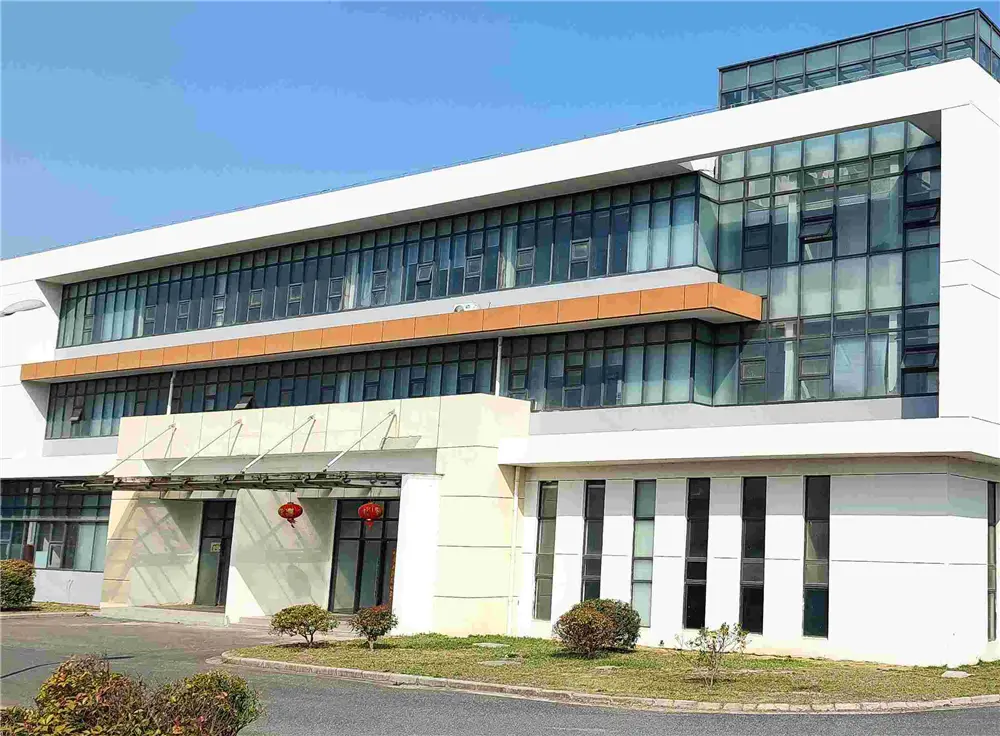
SUZHOU HIYIE CHEMICAL Co.,LTD has a product portfolio that covers consumer electronics, communication equipment, semiconductor industry, automotive hardware, craft gifts, and more. The company has collaborated with multiple domestic and foreign chemical companies and universities to establish a mobile R&D center dedicated to solving technical challenges in the industry. Since its establishment, the company has set up R&D institutions in Wuhan and Shanghai. Its marketing network covers the Pearl River Delta, Yangtze River Delta, and Bohai Rim regions.
Its products have been widely used and recognized by many well-known domestic and foreign companies such as Foxconn Technology Group, Qinghai Salt Lake Group, Chint Group, Hongbao Group, Stanley Group, Shifeng Group, and others, earning the company a good reputation and a wide market.
Leveraging environmental chemistry, advanced manufacturing tools, and global supply chains to maintain operational resilience.

Our specialized engineering team coordinates directly with client factories to troubleshoot baths, optimize chemical usage, and maintain production consistency.

Our dynamic laboratory processes are built to quickly adjust chemical formulations to match specific OEM finish requirements and custom industrial tasks.

We develop and manufacture clean surface-treatment alternatives, minimizing heavy metal waste and reducing environmental compliance overheads.

From line audits and plating formulation consulting to testing and chemical line optimization, our support team covers all operation phases.
Analyzing how specific industries apply zinc-nickel and nickel-phosphorus chemical lines to solve challenging environmental issues.
In computing units and telecom base stations, components demand high corrosion protection alongside good electrical conductivity. Trivalent passivated zinc-nickel coatings act as a barrier against atmospheric corrosion, preventing zinc whiskers that could cause electrical shorts in sensitive circuit boards.
Automotive under-hood and chassis fasteners must withstand gravel impact, temperature spikes, road de-icing salts, and battery runoffs. Our alkaline zinc-nickel systems provide high heat-resistance and protect mechanical components against galvanic corrosion when paired with aluminum components.
For hydraulic valves, couplers, and petroleum piping exposed to chemical processing environments, Electroless Nickel Plating (ENP) represents a key solution. By utilizing varying phosphorus levels, engineers can adjust the balance of hardness, ductility, and chemical resistance to fit the application.
Unlike standard electrolytic processes, Electroless Nickel Plating deposits a nickel-phosphorus alloy coating onto substrates via a controlled autocatalytic chemical reduction. This ensures an even coating thickness across complex interior cavities and blind holes.
The phosphorus content in the bath determines the final physical characteristics of the deposited layer:
After plating, zinc and zinc-nickel layers require chemical passivation to achieve their full corrosion resistance potential. Passivation forms a thin conversion coating that seals the active zinc-nickel alloy layer, slowing down the formation of white corrosion products.
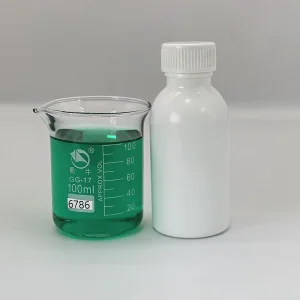
Our trivalent chromium passivates, such as the ZN-318 Blue Trivalent Zinc-Nickel Passivation, deposit a protective film that prevents oxidation without using hazardous hexavalent chromium compounds. This ensures compliance with environmental standards while maintaining excellent performance in thermal stability and salt spray tests.
Technical Recommendation: Pair alkaline zinc-nickel alloy baths (containing 12-16% nickel) with our trivalent iridescent passivates to consistently exceed 1200 hours of neutral salt spray testing before red rust occurs.
Direct answers from our engineering team regarding bath maintenance, plating metrics, and operational performance.
Keeping our partners and global procurement networks informed about our operations and manufacturing schedules.

"The Snake ushers in blessings as we bid the old year farewell; The Horse brings spring as we embark on a new journey. The New Year bell rings the prelude to progress." As we start the new business cycle, our manufacturing sites and analytical labs in Shanghai and Wuhan have resumed full operational capacity, ensuring consistent batch supply and prompt deliveries for all overseas contract partners.
A comprehensive selection of plating additives, carriers, and passivates developed to meet precise metal finishing requirements.
 HIYIE
HIYIE