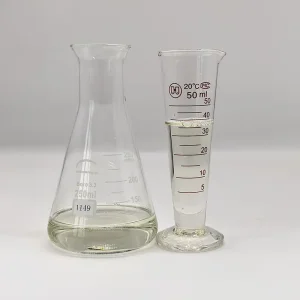
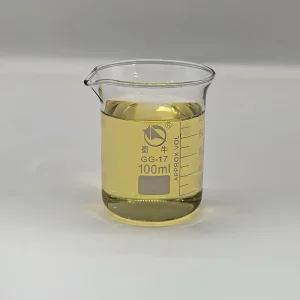
Explore our flagship industrial-grade coatings, surface preparation reagents, and eco-friendly electrodeposition formulations designed for modern production lines.
Pure zinc electroplating remains the foundational baseline for global corrosion mitigation. It offers sacrificial cathodic protection to steel, structural iron, and specialized fastener alloys. By serving as an active anode that corrodes preferentially to shield the underlying ferrous substrate, pure zinc plating prevents structural failure across major global sectors.
As a leading supplier in China's advanced surface finishing sector, Suzhou Hiyie Chemical Co., Ltd. addresses the evolving global demands of this key technology. Industrially, the electroplating market is undergoing structural shifts. Historically, operators used simple acid chloride baths or highly toxic cyanide formulations. Today, modern engineering specifications require high-performance, non-toxic, and highly uniform deposits. This has driven the industry toward advanced alkaline cyanide-free and high-efficiency acid zinc formulations.
Under atmospheric exposure, zinc reacts with moisture and oxygen to form a thin protective layer of zinc oxide, which gradually transforms into zinc carbonate. This passive film retards further corrosion. When the coating is scratched or damaged, galvanic coupling occurs, and the zinc layer selectively oxidizes to preserve the steel core.
Although zinc-nickel alloys (such as the 6185 Alkaline Zinc-Nickel Plating system) are widely used in extreme marine and automotive under-the-hood applications, pure zinc plating continues to be the preferred choice for massive infrastructure, general hardware, construction fasteners, and electrical conduits.
The choice between pure zinc and alloy variations typically involves balancing raw material costs, ductility, coating thickness distribution, and post-plate assembly processes.
Suzhou Hiyie's development of advanced formulation additives, such as the 8315 Alkaline Cyanide-free Bright Zinc Plating process, has set new standards in industrial metal finishing. Historically, cyanide was used to coordinate zinc ions, providing excellent bath stability and throwing power. However, modern environmental regulations have made cyanide-based chemistry obsolete.
The chemistry of the 8315 system relies on advanced organic chelates and carrier brighteners to control the diffusion rate of zinc complexes toward the cathode. This process yields several key benefits:
Electrodeposited zinc must be passivated to achieve long-term resistance to white rust (zinc corrosion products). The transition from hexavalent ($Cr^{6+}$) to trivalent ($Cr^{3+}$) chromium systems is now mandatory under directives like RoHS and REACH.
Our 216 High Corrosion-resistant Iridescent Trivalent Zinc Passivation technology provides robust protection without using hazardous hexavalent species. This formula creates a dense, organo-metallic barrier layer that resists thermal shock and maintains its protective properties even after high-temperature baking cycles.
High-performance industrial plating frequently utilizes multi-layer designs to enhance overall performance. For example, using the 372 Alkaline Cyanide-Free Copper Plating formulation as a strike underlayer on zinc die-cast parts or steel substrates provides strong adhesion and serves as a diffusion barrier.
In electronics and marine applications, applying semi-bright nickel layers, such as FS100 Semi-Bright Nickel Plating, underneath the final finish helps prevent galvanic interaction and migration between the copper substrate and outer zinc-based layers.
How our advanced chemical systems optimize electrodeposition quality while lowering total cost of ownership.
Flexible research mechanism collaborating with domestic universities to develop custom, high-purity additives.
Cyanide-free chemistry and trivalent systems that simplify wastewater treatment and align with global green initiatives.
Optimized current efficiency and wide operating density windows that minimize cycle times and lower energy consumption.
On-site technical support for troubleshooting chemical bath anomalies, and customized line retrofitting assistance.
A systematic representation of standard pre-treatment, electrodeposition, and post-treatment stages required to achieve optimal adhesion and corrosion resistance.
Hot soak degreasing followed by electro-cleaning and acid pickling to eliminate scale, rust, and oil residues.
Immersion in our alkaline cyanide-free or acid zinc baths, utilizing organic carriers to control metal distribution.
Treatment in 216 Trivalent Passivation to produce a protective, corrosion-resistant iridescent surface film.
Applying silica-based sealants and executing baking cycles to resolve hydrogen embrittlement in high-strength parts.
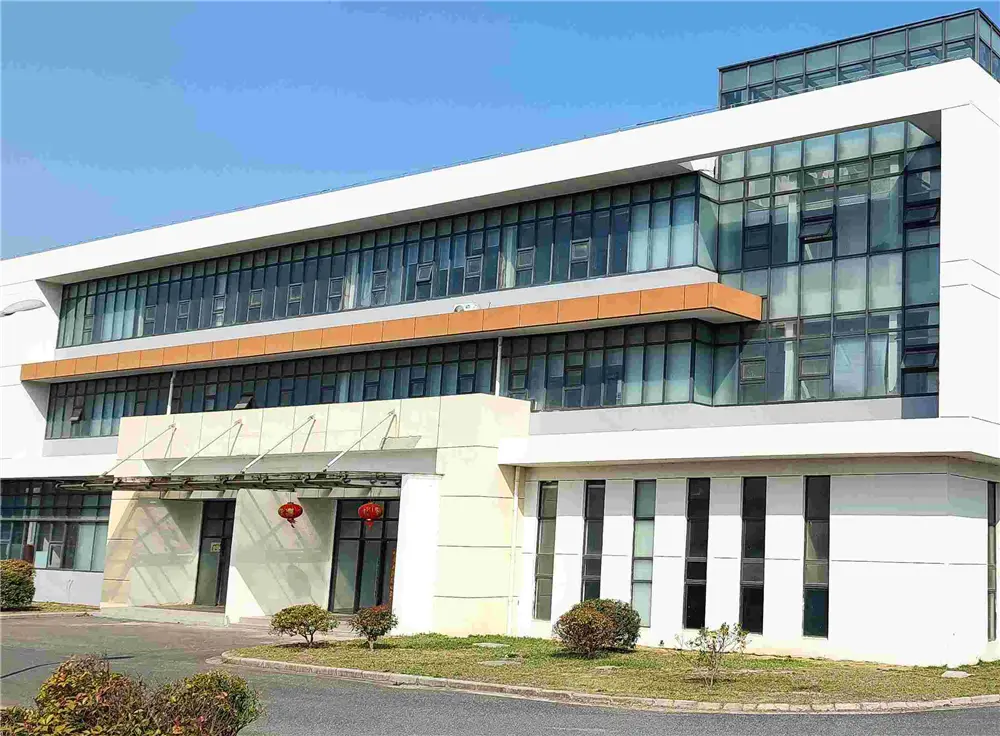
SUZHOU HIYIE CHEMICAL Co.,LTD. offers a comprehensive product portfolio serving consumer electronics, communication equipment, the semiconductor industry, automotive hardware, craft gifts, and related markets.
To resolve key technical challenges in the surface finishing industry, the company has collaborated with multiple chemical enterprises and universities, establishing a flexible joint R&D center. Since its inception, Hiyie has set up dedicated R&D institutions in Wuhan and Shanghai.
Our sales and technical service networks cover the Pearl River Delta, Yangtze River Delta, and Bohai Rim regions. Our formulations have earned broad recognition from leading domestic and multinational corporations, including Foxconn Technology Group, Qinghai Salt Lake Group, Chint Group, Hongbao Group, Stanley Group, and Shifeng Group, establishing our position in the specialty chemicals market.
Our plating systems are tailored to meet stringent performance requirements across diverse industrial sectors.
Protecting fasteners, fluid-carrying tubes, brackets, and chassis sub-assemblies. Our trivalent systems offer high thermal resistance and prevent galvanic corrosion when paired with aluminum components.
Providing corrosion-resistant chassis parts and shielding enclosures for telecommunication base stations, ensuring reliable grounding conductivity over extended periods.
Protecting structural bolts, threaded rods, utility fittings, and solar racking structures against harsh outdoor conditions, matching hot-dip galvanizing performance with superior thread fit.
Addressing future environmental regulations and process challenges through advanced chemistry.
Developing silica-based organic self-healing coatings that match trivalent chromium performance, eliminating transition metal content from post-treatments.
Integrating real-time sensor technologies to monitor additive concentrations, automatically dosing carriers and brighteners to reduce bath variation.
Utilizing dimensionally stable, insoluble anodes to limit metal sludge formation and improve current distribution in high-volume line layouts.
Get professional technical insights regarding alkaline plating systems, passivation chemistry, and hydrogen relief processes.
From high-speed acid coppers to mid-and-high phosphorus electroless nickel systems, we support modern manufacturing needs.
Stay informed about Suzhou Hiyie Chemical's corporate announcements and operations.
 HIYIE
HIYIE