Engineering Next-Gen High-Corrosion Resistance & Sustainable Electroplating Solutions for Global Industries
Explore our leading chemical systems designed to offer outstanding mechanical durability, thermal stability, and corrosion prevention.
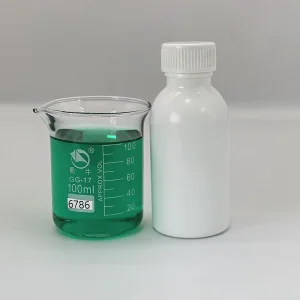
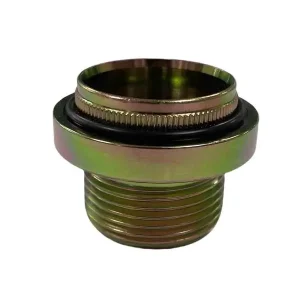
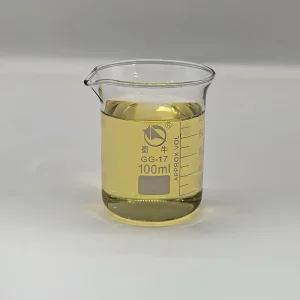
Rainbow zinc plating, historically recognized for its characteristic iridescent appearance, has undergone a significant transformation. Driven by stringent environmental legislation such as the European Union’s REACH (Registration, Evaluation, Authorisation and Restriction of Chemicals) and RoHS (Restriction of Hazardous Substances) directives, the global electroplating industry has transitioned from traditional Hexavalent Chromium (Cr6+) to eco-friendly Trivalent Chromium (Cr3+) formulations.
Modern trivalent iridescent passivation, exemplified by specialized formulas like our 216 High Corrosion-resistant Iridescent Trivalent Zinc Passivation, relies on complex metal-organic structures to provide equivalent self-healing corrosion resistance. By integrating nano-silica sealers and specific cobalt or iron nanoparticles within the passivation layer, modern rainbow zinc electroplating creates a robust barrier against oxygen diffusion and sodium chloride exposure, meeting the demands of global logistics and outdoor engineering applications.
Global supply chain managers, specifically those sourcing components for automotive, industrial fasteners, heavy machinery, and defense applications, navigate a complex landscape of international specifications. Standardizing chemical quality assurance is critical to avoiding component failures, costly recalls, and manufacturing downtime.
| Plating Spec Standard | Passivation Type | Typical SST to White Rust | Primary Industrial Sector |
|---|---|---|---|
| ASTM B633 Class Fe/Zn 8 | Trivalent Iridescent (Cr3+) | >96 Hours | General Fasteners & Brackets |
| ISO 2081 Fe//Zn8//Cn//T2 | High-Performance Iridescent | >120 Hours | Automotive Under-hood Components |
| Automotive OEM Specs | Zinc-Nickel Alloy + Passivate | >240 Hours | Chassis & Exterior Assemblies |
| MIL-DTL-81706 | Chemical Conversion Coatings | >168 Hours | Aerospace & Defense Assemblies |
When engineering high-performance surface finishes, parameters such as bath temperature, pH balance, and current density profiles must be tightly monitored. For example, our 8315 Alkaline Cyanide-free Bright Zinc Plating system ensures uniform thickness distribution across complex parts. This is a critical metric for precision threads and high-tensile fasteners where hydrogen embrittlement must be prevented through baking treatments within four hours of electroplating.
Sourcing from a leading Chinese chemical manufacturer offers structural cost advantages, rapid scale-up capabilities, and integration with the world's largest chemical ecosystem. However, the modern standard of manufacturing goes beyond cost-efficiency—it represents the integration of Industry 4.0 principles to guarantee consistent quality.
By shifting to automated dosing systems, online chemical composition monitoring (using chromatography and atomic absorption spectroscopy), and closed-loop environmental controls, our manufacturing lines ensure minimal batch-to-batch variation. This level of process stability is essential for critical products like our ZN-318 Blue Trivalent Zinc-Nickel Passivation, where alloy composition control directly impacts structural integrity under heavy cyclic stress.
Operating out of highly developed chemical zones in the Yangtze River Delta, our facilities benefit from integrated chemical sourcing. This ensures that raw materials remain unaffected by market shortages. Additionally, our dual-site R&D setup in Wuhan and Shanghai guarantees continuous research and development, allowing us to rapidly customize passivation formulations according to specific customer requirements.
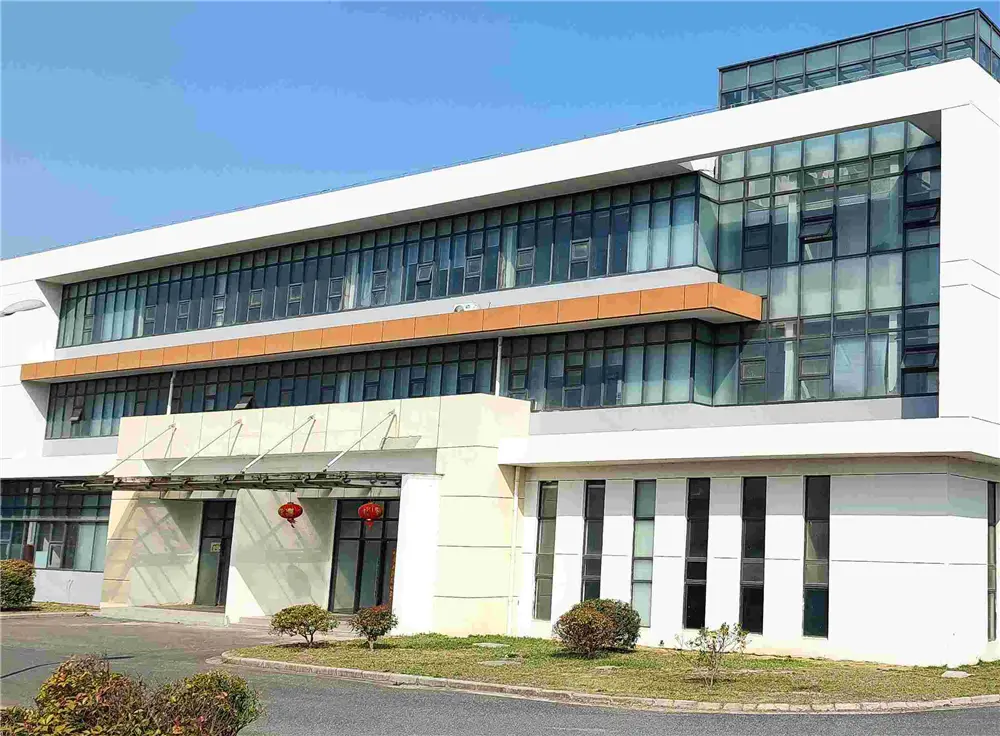
SUZHOU HIYIE CHEMICAL Co., LTD has a product portfolio that covers consumer electronics, communication equipment, semiconductor industry, automotive hardware, craft gifts, and more. The company has collaborated with multiple domestic and foreign chemical companies and universities to establish a mobile R&D center dedicated to solving technical challenges in the industry.
Since its establishment, the company has set up R&D institutions in Wuhan and Shanghai. Its marketing network covers the Pearl River Delta, Yangtze River Delta, and Bohai Rim regions. Its products have been widely used and recognized by many well-known domestic and foreign companies such as Foxconn Technology Group, Qinghai Salt Lake Group, Chint Group, Hongbao Group, Stanley Group, Shifeng Group, and others, earning the company a good reputation and a wide market.
Learn More About Us →Leveraging deep academic collaboration and strict quality control standards to deliver superior electroplating outcomes.

The company introduces a large number of staff, sales, and technical talents, taking full responsibility for customer success.

The flexible R & D mechanism satisfies the highest and most specific technical requirements of our clients.

Utilizing state-of-the-art chemical formulations aligned with global environmentally-friendly philosophies.

A professional pre-sale, sales, and post-sale technical support team to provide high-quality, real-time services.
Rainbow zinc plating and alternative passivation processes are not one-size-fits-all solutions. The substrate composition, environmental stressors, and mechanical tolerances determine the ideal electroplating chemical system.
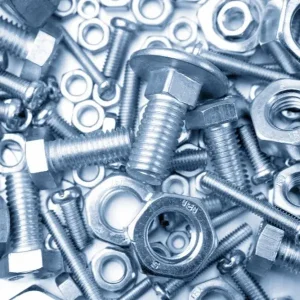
Threads and fasteners require tight control over layer thickness. Excessive coating can cause thread clearance issues, while insufficient deposition leaves valleys susceptible to localized oxidation. Utilizing a cyanide-free bright zinc bath coupled with a trivalent iridescent passivate yields consistent thickness (typically 8–12 microns) that easily survives installation torque without cracking the protective barrier.
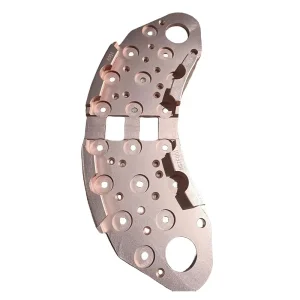
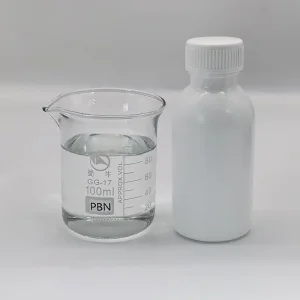
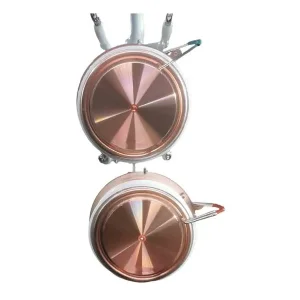
In electronic enclosures, copper and nickel-plated layers are often applied beneath subsequent coatings. Solutions like our 672 High-Speed Bright Acid Copper Plating provide a highly conductive, ductile barrier that seals cast components. Combined with a pearl nickel finish, such as PBN Pearl Nickel, this ensures high corrosion protection while maintaining the aesthetic appeal demanded by high-end consumer electronics.
Components located in under-chassis environments require advanced protection against road salts and gravel impact. In these situations, a Zinc-Nickel alloy coating combined with a trivalent passivation process (like our 6185 Alkaline Zinc-Nickel Plating chemistry) offers exceptional corrosion resistance. This alloy coating limits galvanic corrosion when steel components are placed in contact with aluminum structures, which is an increasingly common assembly requirement in modern electric vehicle (EV) chassis design.
Answers to technical questions about zinc plating formulations, standards, and compliance.

The Snake ushers in blessings as we bid the old year farewell; The Horse brings spring as we embark on a new journey. The New Year bell rings the prelude to progress as Suzhou Hiyie Chemical enters a new phase of production, quality upgrades, and expanded global distribution services.
Browse our advanced formulas, including nickel carriers, electroless nickel, and acid copper systems engineered to modern environmental standards.
 HIYIE
HIYIE