Engineered for high salt-spray environments, coastal machinery protection, and heavy-duty industrial coatings.
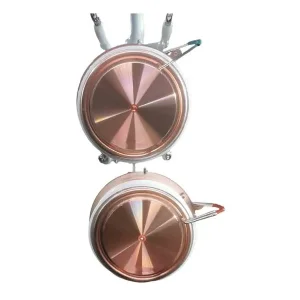
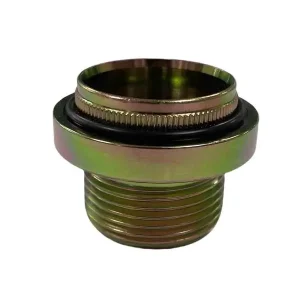
Industrial components in high-humidity, marine, and salt-laden atmospheres face rapid chemical oxidation and localized pitting. According to global electrochemical standards, salt spray (NaCl concentration of 5% at elevated temperatures) accelerates galvanic corrosion. Modern marine engineering, offshore wind systems, and critical aerospace components rely on salt-resistant aerosols and electroplated barrier coatings to prevent structural failures.
Traditional zinc coatings are no longer sufficient for complex modern applications. Major global markets are shifting towards advanced composite materials—incorporating high-phosphorus electroless nickel alloys and trivalent zinc-nickel passivation. These technologies provide sacrificial protection alongside barrier isolation, preventing moisture and chloride ions from penetrating critical steel and copper substrates.
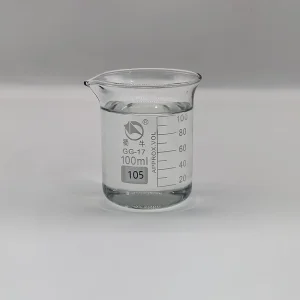
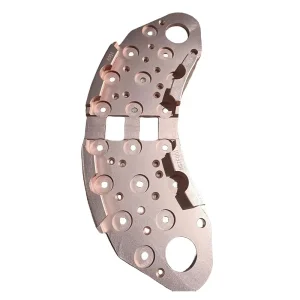
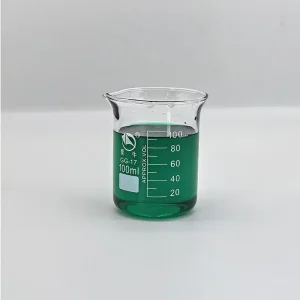
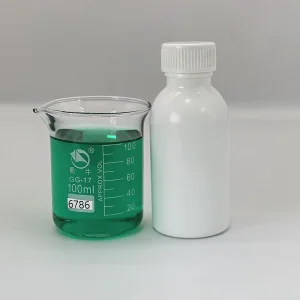
True salt spray resistance is achieved by combining subsurface metal finishings with active topcoats. Our 6185 Alkaline Zinc-Nickel Plating and HITEC EN 6786 High Phosphorus Electroless Nickel act as structural primers. When paired with high-performance salt-resistant aerosols, they form an impermeable barrier.
High-phosphorus nickel coatings (containing 10-14% phosphorus) are amorphous, meaning they lack grain boundaries. Because corrosive agents target these grain boundaries, amorphous coatings effectively eliminate this pathway, providing superior protection. Our trivalent passivations form a protective hydrated chromium oxide layer, ensuring high durability even in humid environments.
| Technology Type | Salt Spray Target (NSS) | Primary Applications |
|---|---|---|
| High-Phosphorus EN Plating | >1000 Hours (ISO 9227) | Semiconductor tools, oil & gas valves |
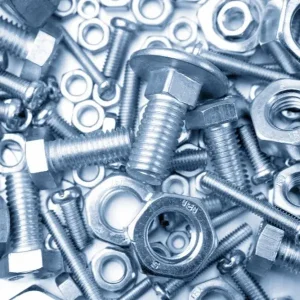
| Trivalent Zinc-Nickel Passivation | >720 Hours (ASTM B117) | Automotive underbody, marine fasteners |
| Alkaline Cyanide-Free Copper | Excellent Adhesion Undercoat | Consumer electronics, connectors |
Exploring the supply chain advantages, chemical engineering standards, and custom formulation capacities at SUZHOU HIYIE CHEMICAL.
R&D operations in Wuhan and Shanghai drive constant formulation updates. This flexible structure lets us adjust formulas to match your specific salt spray performance targets.
Our chemical designs use trivalent passivations and cyanide-free systems, complying with REACH, RoHS 2.0, and other strict global environmental regulations.
Located in the Yangtze River Delta, our facility integrates regional chemical supplies to provide stable pricing and reliable delivery schedules.
Our surface chemistry systems are used across diverse industrial sectors to extend component life under aggressive conditions:
When sourcing anti-corrosion chemical formulations, specify these main performance markers to ensure product quality:
Salt Spray Targets (ASTM B117 / ISO 9227): Specify the required hours of salt spray exposure (e.g., 240, 480, 720, or 1000 hours) before white or red rust appears.
Adhesion Standards (ASTM D3359): Ensure good adhesion between the base metal, electroplated layer, and salt-resistant topcoats to prevent flaking and peeling.
Thickness Control: Verify the coating thickness (measured in microns) can be controlled precisely to prevent dimensional changes on threaded parts.
SUZHOU HIYIE CHEMICAL Co., LTD manufactures chemical formulations for consumer electronics, communication equipment, semiconductors, automotive hardware, and decorative gifts. We collaborate with chemical laboratories and universities to run a mobile R&D network that addresses technical surface challenges.
Our sales and support teams serve customers across major industrial regions including the Pearl River Delta, Yangtze River Delta, and Bohai Rim. Our products are used by industry leaders such as Foxconn Technology Group, Qinghai Salt Lake Group, Chint Group, Hongbao Group, Stanley Group, and Shifeng Group.
R&D Infrastructure: Dedicated laboratories in Wuhan and Shanghai focus on developing chrome-free, cyanide-free, and high-corrosion-resistant chemical formulations.
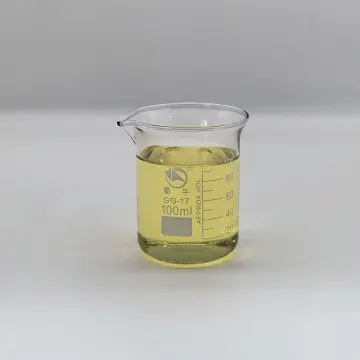

As the New Year begins, we continue to upgrade our technology and expand our R&D partnerships. We are committed to developing new eco-friendly chemistry solutions and providing reliable technical support to all our clients.
Get expert answers regarding anti-corrosion, salt spray performance, and customization support.
Performance depends on the choice of alloy (e.g., zinc-nickel offers better resistance than pure zinc), the thickness and density of the plated layer, the chemical composition of the passivation bath (trivalent systems offer high stability), and the final topcoat application.
High-phosphorus (10-14% P) electroless nickel forms an amorphous alloy barrier. Since it does not contain grain boundaries, it resists localized pitting in highly saline environments.
Yes. Our chemical systems—including our trivalent zinc passivations and cyanide-free copper plating agents—comply with REACH and RoHS regulations to help you meet international environmental standards.
Explore our complete range of surface finish chemicals designed for demanding industrial environments.
 HIYIE
HIYIE