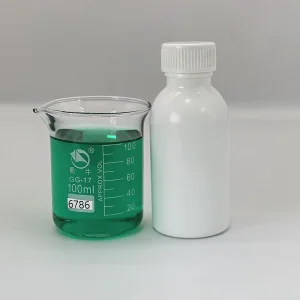
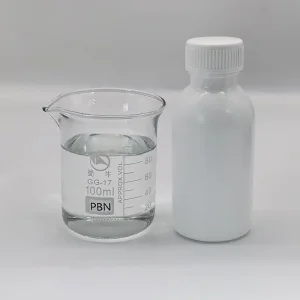
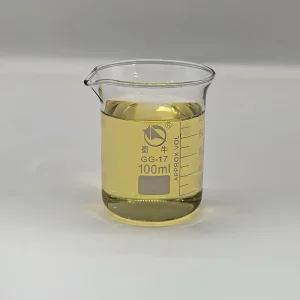
Explore our engineering-grade chemical formulations designed to maximize conductivity, corrosion resistance, and structural integrity across heavy industries.
Silver electroplating remains a vital process across engineering domains, prized for its unmatched electrical conductivity, optical reflectivity, and solderability. However, raw silver deposition naturally yields coarse, dendritic, and matte crystal structures. These irregular micro-surfaces create high electrical contact resistance, degrade high-frequency signals, and fail aesthetic requirements.
As a pioneering China silver plating brightener manufacturer, Suzhou Hiyie Chemical Co., Ltd. addresses this limitation at a molecular scale. Organic silver plating brighteners are designed to selectively adsorb onto high-energy crystal facets during electrodeposition. By inducing localized polarization, they suppress dendritic growth and promote secondary nucleation. The result is a fine, densely packed grain configuration that guarantees mirror brightness, high wear resistance, and reliable conductivity.
Analyze how macro-environmental factors and strict industrial criteria are shaping the development of silver plating additives globally.
Traditional cyanide silver plating relies on highly toxic potassium cyanide (KCN) complexes. Due to environmental safety policies (such as EU REACH and EPA regulations), global manufacturers are transitioning to thiosulfate, sulfosalicylic acid, or iminedisuccinate based cyanide-free systems. Our team is at the forefront of this shift, formulating stable organic ligands that match the deposition quality of traditional cyanide paths.
In telecommunications, high-frequency signals travel predominantly on the outer boundary of conductors (the skin effect). Any micro-roughness in the silver-plated layer increases attenuation loss. Modern silver brighteners must ensure optimal levelling at sub-micron thicknesses to support clean propagation in RF filters, coaxial connectors, and antenna elements.
Electric vehicles run on high-current architecture demanding low thermal generation. Copper busbars plated with silver using poor organic additives suffer from micro-voids, increasing heat and risking thermal runaway. Advanced plating additives prevent these localized defects, improving continuous current transmission and extending EV battery life.
A comparative look at the chemical dynamics, stability metrics, and metallurgical properties between traditional setups and next-generation additives.
| Performance Metrics | Cyanide-Based Baths (Traditional) | Advanced Cyanide-Free Baths (Hiyie Chem) | Industrial Impact |
|---|---|---|---|
| Primary Complexing Agent | Potassium Cyanide / Sodium Cyanide | Organic Thiosulfate / Sulfonic Acids | Minimizes environmental risks and disposal costs. |
| Cathode Efficiency | 85% - 95% | 90% - 98% | Reduces hydrogen embrittlement risks during plating. |
| Microhardness (HV) | 80 - 100 HV | 110 - 140 HV | Improves mechanical durability for sliding contacts. |
| Specular Reflectivity | Up to 90% | Up to 96% | Improves optical performance in LED reflector frames. |
| Deposition Rate | 0.5 - 1.0 μm/min | 0.8 - 1.5 μm/min | Increases throughput in continuous reel-to-reel plating lines. |
Explore how different industries deploy specialized silver-plated layers to meet strict performance requirements under harsh operating conditions.
In integrated circuit packaging, silver is selectively spot-plated onto copper alloy lead frames to facilitate gold or copper wire bonding. Organic brightener additives control the crystal structure, ensuring excellent adhesion. The resulting layer remains free of organic impurities, preventing outgassing during high-temperature epoxy curing.
Additionally, Hiyie's advanced leveling agents ensure even silver deposits across complex microstructures, preventing edge buildup and keeping lead frames flat for precision wire bonding.
Electric grids handle heavy electrical loads that can lead to arcing and thermal expansion at joint interfaces. Silver-plated copper busbars are essential to minimize electrical resistance at these connections.
By using co-deposition brighteners, manufacturers can produce silver coatings with higher mechanical hardness. This reduces wear during mechanical cycling in gas-insulated switchgear (GIS) and outdoor electrical contacts.
Aerospace electronics must operate reliably under high vibration, thermal shock, and exposure to corrosive environments. Under these conditions, standard plating can suffer from fretting corrosion and whisker growth.
Our specialized brighteners produce a highly uniform silver layer that resists tarnishing and remains stable at high temperatures, protecting vital signal lines in aviation systems.
In high-frequency applications, signal current flows near the conductor surface. Surface roughness directly increases signal attenuation, leading to energy loss and heat generation.
Using Hiyie’s advanced brighteners ensures a exceptionally smooth silver finish, optimizing signal transmission for satellite communications and high-frequency radar systems.
Suzhou Hiyie Chemical Co., Ltd.'s strategic plan for developing next-generation electrochemistry over the next decade.
Phasing out cyanide-based formulations by introducing thiosulfate and organic complexing agents. These newer options match the plating speed and brightness of traditional baths while simplifying wastewater treatment.
Incorporating nanoscale organic additives that yield grain structures smaller than 50nm. These nanostructured surfaces offer higher microhardness and wear resistance without compromising the electrical conductivity of the silver deposit.
Integrating real-time analytical sensors and machine learning systems to automatically monitor and adjust brightener levels during continuous plating. This ensures stable production and consistent quality over long manufacturing runs.
How we help manufacturing partners address common electroplating challenges and maintain high quality control standards.
This occurs due to depletion of metal ions at the cathode boundary. Increasing concentration of the carrier brightener and optimizing bath agitation helps maintain a uniform plating rate across high and low-current areas.
Often caused by an imbalance in the ratio of primary brightener to carrier. Running a Hull Cell test allows operators to adjust chemical levels and restore full brightness across the part.
Usually points to inadequate surface cleaning or lack of a proper copper strike layer. Improving the pre-plating wash sequence and adjusting the silver strike parameters ensures strong adhesion to the base metal.
To ensure consistent performance, Suzhou Hiyie Chemical Co., Ltd. uses state-of-the-art testing equipment to qualify every batch of plating additives:
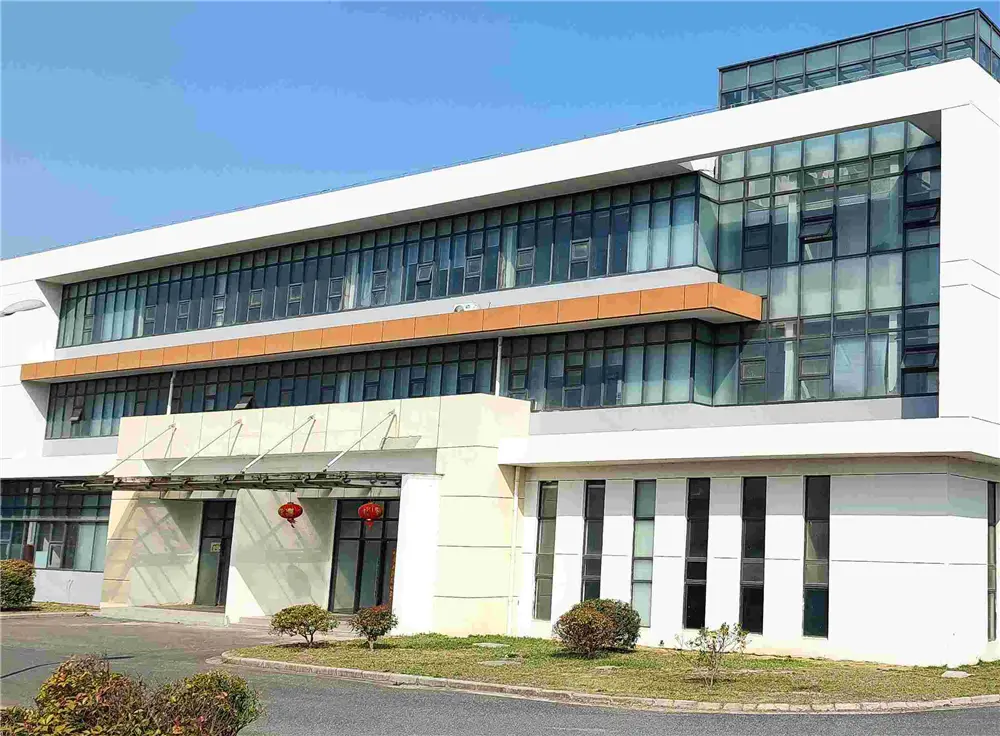
SUZHOU HIYIE CHEMICAL Co., LTD has a product portfolio that covers consumer electronics, communication equipment, semiconductor industry, automotive hardware, craft gifts, and more. The company has collaborated with multiple domestic and foreign chemical companies and universities to establish a mobile R&D center dedicated to solving technical challenges in the industry. Since its establishment, the company has set up R&D institutions in Wuhan and Shanghai.
Its marketing network covers the Pearl River Delta, Yangtze River Delta, and Bohai Rim regions. Its products have been widely used and recognized by many well-known domestic and foreign companies such as Foxconn Technology Group, Qinghai Salt Lake Group, Chint Group, Hongbao Group, Stanley Group, Shifeng Group, and others, earning the company a good reputation and a wide market.
Combining experienced technical talent, flexible R&D, and complete after-sales support to deliver reliable electroplating solutions.

The company introduces a large number of staff, sales, talents, and is responsible for customers.

The flexible R & D mechanism can satisfy the highest and specific requirements of customers.

The most updated technology with the philosophy of environmentally-friendly.

We have professional pre-sale, sale and after-sale team to provide you with high quality service.
Get answers to common technical and operational questions about choosing and maintaining silver plating brighteners.
A silver plating brightener acts as a organic grain refiner. By selectively adsorbing onto high-current-density peaks at the cathode, it forces the silver ions to deposit in vacant micro-valleys, promoting secondary nucleation. This refines the grain structures from coarse dendritic formations to sub-micron orientations, achieving mirror brightness and reducing electrical contact resistance.
Our cyanide-free silver brightener systems use organic chelating agents (such as advanced thiosulfate formulations and sulfosalicylic complexes) to bind silver ions securely. This controls the deposition speed and prevents non-electrochemical displacement plating on copper alloys, matching the coating density and adhesion of traditional cyanide formulations.
We recommend using Cyclic Voltammetric Stripping (CVS) analysis to measure active brightener levels in the bath. Standard Hull Cell tests also help operators visually check the brightener's performance across different current densities and identify if adjustments are needed.
Pure electrodeposited silver is relatively soft, typically around 70-80 HV. Hiyie's brighteners facilitate the controlled co-deposition of minute organic carbon chains within the silver lattice, raising the coating hardness to 120-140 HV. This increases wear resistance and extends the service life of sliding electrical contacts.
Stay informed with the latest updates on our chemical engineering developments and corporate activities.
The Snake ushers in blessings as we bid the old year farewell; The Horse brings spring as we embark on a new journey. The New Year bell rings the prelude to progress; Suzhou Hiyie Chemical continues to prioritize customer support, technology innovation, and sustainable chemistry development as we start this new chapter.
Explore our full range of industrial plating formulations, designed to optimize surface finishing across diverse engineering applications.
 HIYIE
HIYIE