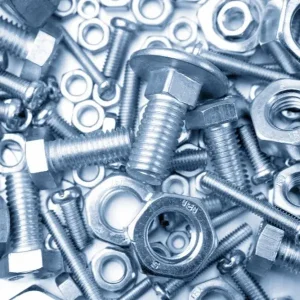
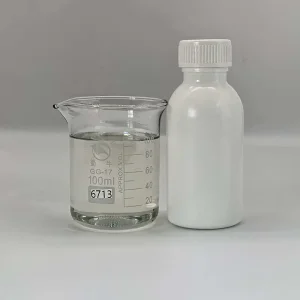
China Silver Zinc Plating Manufacturer & Suppliers

Empowering global technology leaders with premium functional electroplating systems, trivalent passivations, and customized metal finishing chemistries.

Whitepaper: Advanced Protective & Silver-Zinc Plating Technologies

An in-depth analysis of chemical formulations, passivation mechanisms, and global supply chain strategies for high-performance surface engineering.

1. Understanding Silver-Zinc & Specialized Surface Finishing Systems

Modern electronics, telecommunications, and high-reliability industrial hardware demand a complex balance of electrical conductivity, low contact resistance, and long-term corrosion prevention. In the engineering space, while pure silver plating is prized for its superior conductivity and signal transmission properties (particularly in RF connectors and busbars), it remains susceptible to tarnish, chemical abrasion, and mechanical wear. To overcome these limitations, specialized electroplating systems, including Zinc-Nickel Alloys (Zn-Ni), Alkaline Cyanide-Free coatings, and advanced trivalent passivations, serve as vital structural components.

In many marine and heavy-duty industrial configurations, developers rely on composite or layered systems—utilizing high-grade zinc-nickel alloy foundations as a highly protective sacrificial sub-barrier, followed by targeted copper/nickel barriers and customized high-purity silver layers. When formulated and executed with precision by high-tier chemical manufacturers, this combined architecture provides optimal protection. Sacrificial zinc protection mechanisms are coupled with the chemical stability and electrical conductivity of premium top-layer coatings, effectively preventing galvanic corrosion even under severe operating conditions.

2. Chemistry Matrix: Alkaline Zinc-Nickel vs. Specialty Nickel Formulations

The chemical architecture of Suzhou Hiyie's product portfolio is engineered to deliver precise deposit control and uniform thickness across complex geometries.

Alkaline Zinc-Nickel Alloy (6185 System)

Specifically engineered to deposit a stable 12-15% nickel content within the alloy matrix. This structural ratio is critical to forming the Gamma-phase crystal structure, which provides maximum corrosion protection (often exceeding 1,000 hours in neutral salt spray testing before red rust occurs).

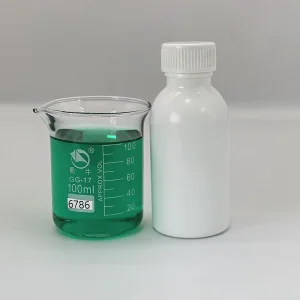
Electroless Nickel (High Phosphorus: HITEC EN 6786)

Operates via an autocatalytic chemical reduction mechanism, depositing a uniform amorphous nickel-phosphorus layer (P content > 10.5%). Outstanding for components requiring uniform coverage inside deep blind holes, complex internal channels, and sharp outer edges.

Cyanide-Free Bright Zinc & Copper

Reflecting modern environmental directives, these chemistries utilize advanced organic complexing agents rather than hazardous cyanide compounds. They provide exceptional throwing power, high cathode efficiency, and reduce wastewater treatment overhead.

Trivalent Passivations (e.g., ZN-318 Blue / 216 Iridescent)

Chromium (VI)-free conversion coatings that react with the plated zinc or zinc alloy surface to form a thin, self-healing protective film. Free of restricted heavy metals, conforming to strict RoHS and REACH environmental guidelines.

3. China's Manufacturing Advantage in Chemical Customization & R&D

China has emerged as a global hub for chemical synthesis and surface finishing technologies. Companies like Suzhou Hiyie Chemical Co., Ltd. represent this development, combining vertical integration of raw materials with localized research clusters.

  • Distributed R&D Infrastructure: By establishing targeted research facilities in scientific centers like Shanghai and Wuhan, and cooperating with top-tier universities, Suzhou Hiyie rapidly transitions experimental chemical complexes into mass-production electroplating baths.
  • Strict Quality Standards: Advanced chemical processing facilities utilize gas chromatography, atomic absorption spectroscopy, and cyclic voltammetric stripping to guarantee batch-to-batch consistency.
  • Environmental Stewardship: Modern Chinese manufacturing complexes are designed to meet strict ecological standards. Developing trivalent passivations and cyanide-free bright copper ensures global compliance (RoHS/REACH) and reduces environmental impact.

4. Industrial Application Scenarios

High-performance electroplating and surface treatment solutions are crucial across multiple demanding sectors:

  • Automotive Powertrain & Chasis: Zinc-nickel alloys protect safety-critical fasteners, brake calipers, and fuel line systems from road salts and engine bay heat.
  • Consumer Electronics & Communication: Ultra-thin bright nickel and electroless nickel coatings are applied to smart device frames, RF shields, and internal connectors to provide wear resistance and electromagnetic shielding.
  • Semiconductors: High-phosphorus electroless nickel and high-speed bright copper chemistry are used in wafer packaging and leadframe metallization, requiring high chemical purity and precise thickness control.
  • Renewable Energy Systems: Electrical busbars, solar array fasteners, and wind turbine components rely on robust trivalent passivation coatings to withstand harsh outdoor exposure.
1000+
Salt Spray Resistance (Hours)
2
Dedicated R&D Centers (Shanghai & Wuhan)
12-15%
Optimal Nickel Content in Zn-Ni Alloy
100%
RoHS & REACH Compliant Chemistries

Corporate R&D Strategy

Suzhou Hiyie Chemical Co., Ltd. operates at the intersection of academic science and industrial application. In collaboration with prominent domestic and foreign chemical companies and universities, we have established a mobile R&D center dedicated to solving industry-wide challenges.

Our marketing network spans key economic engines including the Pearl River Delta, Yangtze River Delta, and Bohai Rim regions, supporting global OEMs and local plating facilities.

Strategic Partnerships

Our surface finishing chemical technologies are qualified, tested, and utilized in supply chains associated with major global brands and enterprises, including:

  • Foxconn Technology Group
  • Qinghai Salt Lake Group
  • Chint Group
  • Hongbao Group
  • Stanley Group
  • Shifeng Group

Optimal Plating Process Sequence

Achieving defect-free deposits requires careful monitoring and control at every step of the chemical cleaning and plating process.

1

Degreasing & Clean

Removal of manufacturing oils and oxides using alkaline cleaners to ensure chemical adhesion.

2

Activation Acid Dip

Acid pickling to remove surface rust and prepare the substrate's crystal structure.

3

Electrodeposition

Controlled electroplating in optimized organic baths (e.g. Zinc-Nickel or Bright Copper).

4

Conversion Coating

Trivalent passivating treatment to form an amorphous, self-healing protective barrier.

5

Post-Treatment

Drying and quality inspections, checking plating thickness and corrosion resistance.

Why Partner with Suzhou Hiyie Chemical?

Discover our core strengths in personnel, advanced R&D, and post-sales technical support.

Expert Personnel

Our team includes experienced chemists, quality control engineers, and account executives dedicated to providing tailored chemical formulations for your manufacturing challenges.

Flexible R&D Capabilities

Our custom synthesis process allows us to adjust bath parameters, organic brightener systems, and complexing agents to meet specific customer requirements.

Eco-Friendly Technology

We develop high-performance conversion coatings designed to replace traditional hexavalent chromium and cyanide formulations, helping operations achieve environmental compliance.

Technical Support

From initial bath design and commissioning to routine analytical troubleshooting, our technicians provide support to minimize downtime and optimize plating performance.

Technology & Procurement FAQ

Common questions regarding chemical specifications, R&D capabilities, quality control, and supply chain logistics.

1. What is the difference between Alkaline Zinc-Nickel and standard acid zinc plating systems?
Alkaline Zinc-Nickel (such as our 6185 system) deposits a true alloy layer composed of 12-15% nickel, which forms a robust Gamma crystalline phase. This alloy provides exceptional corrosion resistance (withstanding high temperatures and salt exposure) compared to standard zinc plating, which acts purely as a sacrificial layer and degrades more rapidly under harsh conditions.
2. How does the 216 Trivalent Zinc Passivation improve salt spray performance?
Our 216 Passivation reacts with the plated zinc layer to form a thin conversion film. This barrier limits oxygen diffusion and provides self-healing properties that help resist micro-cracking, helping components consistently exceed 120 hours to white rust and up to 400+ hours to red rust on standard zinc.
3. Are all Suzhou Hiyie chemical products compliant with RoHS and REACH regulations?
Yes, environmental compliance is a core focus of our research. Our trivalent passivations (such as ZN-318 Blue and 216 Iridescent) and cyanide-free systems (like 372 Alkaline Copper and 8315 Bright Zinc) are formulated to eliminate regulated heavy metals and toxic substances, helping our customers meet global environmental standards.
4. What parameters determine the choice between low, mid, and high phosphorus electroless nickel?
The choice is based on the application requirements: Low phosphorus (e.g., J0-1) offers high deposit hardness and wear resistance in alkaline environments; mid-phosphorus (e.g., HITEC EN 6713) provides a balanced combination of brightness, speed, and moderate corrosion resistance; and high phosphorus (e.g., HITEC EN 6786) offers maximum corrosion protection in acidic, chemical-heavy environments and is non-magnetic.
5. How does Suzhou Hiyie manage batch-to-batch consistency in its chemical supply chain?
We operate under ISO 9001 quality management guidelines. Every production batch undergoes strict quality control, including density checks, pH measurement, active ingredient concentration analysis, and pilot Hull cell plating tests to ensure consistent performance before shipment.
6. Can you formulate custom additives for specific automated plating line layouts?
Yes. Our R&D centers in Shanghai and Wuhan specialize in custom chemical engineering. We can adjust the concentration of organic carriers, brighteners, and wetting agents to match the drag-out rates, filtration systems, and current density ranges of your specific production line.
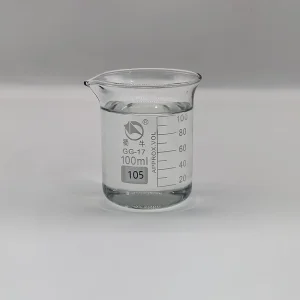
7. What is the role of Chrome Plating Carrier 105 in hard chrome plating?
Carrier 105 is an organic mist suppressant and wetting agent. It reduces the surface tension of the chromic acid bath, minimizing the generation of hazardous chromium mist, which improves operator safety and helps reduce drag-out losses.
8. What are the shipping lead times for international orders from your Suzhou location?
Lead times vary by location. Standard stock chemical intermediates typically ship within 7 to 10 working days from Shanghai port. Custom formulations or large bulk orders generally require 3 to 4 weeks for production, testing, and export clearance.
9. How does 372 Alkaline Cyanide-Free Copper Plating compare to traditional cyanide baths?
The 372 formulation utilizes non-toxic organic complexing agents, eliminating the safety hazards and wastewater treatment costs associated with cyanide. It provides a fine-grained, ductile copper deposit with excellent bonding strength, making it suitable as an undercoat for steel, zinc alloys, and aluminum.
10. What technical support is available during bath setup or optimization?
We provide full technical support, including step-by-step bath makeup instructions, guidelines for analytical titration, and hull cell testing support. For large-scale setups, we can arrange for technical engineers to visit your facility to assist with commissioning and line optimization.

Request a Technical Consultation

Discuss your custom chemical requirements, bath parameters, or product specifications with our R&D engineers today.

Contact Our Technical Team