China Stripping Zinc Plating Supplier & Key Industry Solutions

Leveraging Advanced Chemical Engineering and Selective Strip Metallurgy to Preserve Substrate Integrity and Promote Global Circular Finishing Ecosystems.

High-Performance Metal Finishing Solutions

Explore our top-tier catalog of specialized electroplating chemicals, trivalent passivations, and electroless nickel systems engineered for high-precision manufacturing.

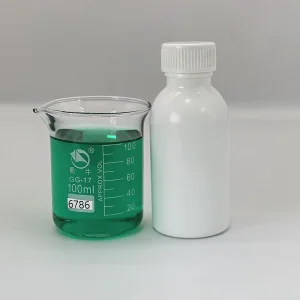
HITEC EN 6786 A/B/C High Phosphorus Electroless Nickel

HITEC EN 6786 A/B/C High Phosphorus Electroless Nickel

View Details
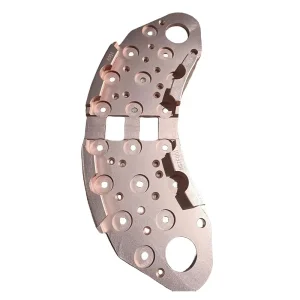
372 Alkaline Cyanide-Free Copper Plating

372 Alkaline Cyanide-Free Copper Plating

View Details
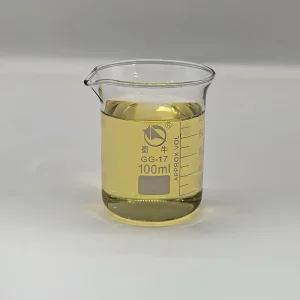
8315 Alkaline Cyanide-free Bright Zinc Plating

8315 Alkaline Cyanide-free Bright Zinc Plating

View Details
216 High Corrosion-resistant Iridescent Trivalent Zinc Passivation

216 High Corrosion-resistant Iridescent Trivalent Zinc Passivation

View Details
FS100 Semi-Bright Nickel Plating

FS100 Semi-Bright Nickel Plating

View Details
672 High-Speed Bright Acid Copper Plating

672 High-Speed Bright Acid Copper Plating

View Details
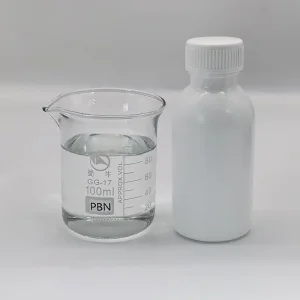
PBN Pearl Nickel

PBN Pearl Nickel

View Details
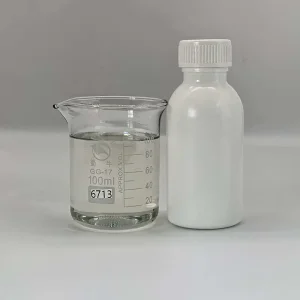
HITEC EN 6713 A/B/C Mid Phosphorus Electroless Nickel

HITEC EN 6713 A/B/C Mid Phosphorus Electroless Nickel

View Details

Deep-Dive Insights into Stripping Zinc Plating: Industrial Significance & Methodologies

In modern high-precision metal finishing, zinc electroplating stands as a cornerstone defense against corrosion. However, during the component production lifecycle, errors in bath composition, fluctuations in electrical current density, or deviations in post-plate passivation demand a controlled method for zinc removal. This is where the engineering discipline of stripping zinc plating becomes critical. Rather than scraping parts, selective chemical stripping allows companies to recover expensive substrates—such as high-tensile carbon steels, copper, brass, and aluminum—without inducing base-metal loss or structural fatigue.

As a leading China stripping zinc plating supplier, we recognize that the removal process is not merely the reverse of plating. It requires sophisticated chemical selectivity. Inefficient stripping methods can lead to hydrogen embrittlement, dimensional loss of high-tolerance threads, or excessive surface roughness, rendering salvage attempts economically unviable. Modern chemical solutions aim to maximize stripping rates while guaranteeing absolute passivation of the exposed substrate.

99.8%
Substrate Preservation Rate
0.00%
Cyanide Content (Eco-Safe)
< 15 min
Average Stripping Time
100%
RoHS & REACH Compliant

Macro Industry Solutions: Bridging the Circular Manufacturing Gap

The global metal finishing market is transitioning from a linear "produce-discard" paradigm to a circular framework. Quality defects in automotive assemblies, electronic components, and heavy industrial fasteners can cost aerospace and automotive supply chains millions annually. Defective coatings must be removed cleanly to allow replating. By developing highly selective chemical strippers, China's manufacturing sector is driving down production waste, optimizing raw material utility, and mitigating carbon footprints. Our specialized stripping reagents are engineered to handle various zinc coatings, including:

  • Acid Zinc Coatings: Typically used for brilliant finishes, easily dissolved but requires careful pH monitoring to prevent pitting on high-alloy steel.
  • Alkaline Cyanide-Free Zinc: Harder coatings that require advanced chelating agents to pull zinc ions into solution without toxic intermediates.
  • Zinc-Nickel Alloys: The toughest barrier coats in the automotive sector; requiring highly specialized strippers that dissolve both zinc and nickel without attacking the underlying iron matrix.
Information Gain: Substrate Corrosion Inhibitors

Standard mineral acids (like hydrochloric or sulfuric acid) strip zinc rapidly but attack base steel just as aggressively. Our stripping systems utilize proprietary organic corrosion inhibitors that form a temporary monomolecular layer over the exposed steel substrate the microsecond zinc is removed. This barrier blocks proton reduction, preventing both acid attack and hydrogen absorption.

Global Commercial & Industrial Landscape

Today, multinational buyers are searching for reliable chemical suppliers capable of providing stable, high-throughput stripping agents that conform to uniform international standards. The global market is marked by rising regulatory pressures in the EU and North America regarding wastewater and hazardous waste generation. Traditionally, ammonium-based and cyanide-based chemical formulations were dominant in stripping operations. These, however, create significant heavy-metal sludge management problems. Modern manufacturers are switching to cyanide-free alkaline strippers and *biodegradable organic-acid-based strippers* sourced from advanced chemical complexes in China, offering parity in performance at a fraction of the ecological overhead.

Stripper Base Type Target Substrates Stripping Rate (avg) Environmental Profile Primary Industrial Use Case
Inhibited Acid Strippers Carbon Steel, Copper Alloys 1.5 - 2.5 µm/min Requires pH neutralization Fasteners, Structural Brackets
Chelated Alkaline Strippers High-Tensile Steel, Tool Steel 0.5 - 1.2 µm/min Ammonia & Cyanide-Free Aerospace, Precision Components
Organic Solubilizers Aluminum Alloys, Brass 0.3 - 0.8 µm/min Highly biodegradable Automotive Sensors, Consumer Tech

Technical Pathways: How Zinc Plating is Stripped Safely

The chemical dissolution of a zinc coating involves complex interfacial mass transfer. In an acid-based environment, the electrochemical reaction proceeds via the simple oxidation of zinc metal to zinc ions ($Zn \to Zn^{2+} + 2e^-$), coupled with hydrogen evolution. However, in precision engineering, hydrogen evolution is a critical risk factor, leading to hydrogen embrittlement in high-strength steels. To bypass this, we formulate alternative alkaline chemical paths. Alkaline zinc strippers function via complexation chemistry, using organic ligands like EDTA, gluconates, or triethanolamine in combination with mild oxidizing agents (e.g., sodium metanitrobenzene sulfonate). This oxidizes the zinc and binds it into a stable, water-soluble complex without generating gaseous hydrogen at the metal boundary, thereby fully protecting the mechanical properties of the underlying alloy steel.

Localized Applications & Compliance Standards

In practice, stripping is localized depending on the substrate alloy and the geometric complexity of the parts. For blind holes, internal recesses, and precision threading, bath agitation, ultrasonic assistance, and exact thermal regulation (typically $40^\circ\text{C}$ to $60^\circ\text{C}$) are employed to ensure consistent stripping rates. Furthermore, global compliance standards (including EU RoHS 3, REACH EC 1907/2006, and US EPA guidelines) mandate strict limits on heavy metals, volatile organic compounds, and alkylphenol ethoxylates (APEs) in industrial formulations. Our stripping and passivation catalog is formulated explicitly without APEs or restricted chlorinated solvents, facilitating seamless compliance integration for global manufacturing sites.
Key Engineering Vectors & Technical Roadmaps

Our R&D efforts focus on three primary pillars of modern surface chemical engineering: safety, efficiency, and eco-responsibility.

Selective Chelation

By targeting zinc ions without interacting with ferrous or copper matrices, our chemicals yield pristine metal surfaces ready for immediate reprocessing.

Embrittlement Safety

Eliminating atomic hydrogen generation during metal dissolving cycles protects the tensile integrity of structural and aerospace alloys.

Waste Reclamation

Formulations are designed to facilitate simple precipitation of zinc hydroxide, permitting rapid liquid-solid separation in standard clarifiers.

About HIYIE Chemical

SUZHOU HIYIE CHEMICAL CO., LTD is a premier developer and manufacturer of high-grade organic and inorganic surface finishing chemicals. Our comprehensive product portfolio spans consumer electronics, communication equipment, semiconductor plating, automotive hardware, craft gifts, and specialized industrial coatings. We strive to solve the complex surface technology challenges facing modern manufacturers.

To maintain our position at the forefront of chemical innovation, HIYIE has established a mobile R&D center in collaboration with domestic and foreign chemical institutes and universities. We operate R&D facilities in Wuhan and Shanghai, ensuring that our technical teams remain close to regional industrial clusters. Our extensive sales and technical support networks cover key economic zones, including the Pearl River Delta, Yangtze River Delta, and the Bohai Rim region.

Our solutions are recognized and trusted by leading global enterprises, including Foxconn Technology Group, Qinghai Salt Lake Group, Chint Group, Hongbao Group, Stanley Group, and Shifeng Group. This track record reflects our commitment to quality, reliable supply chains, and technical expertise.

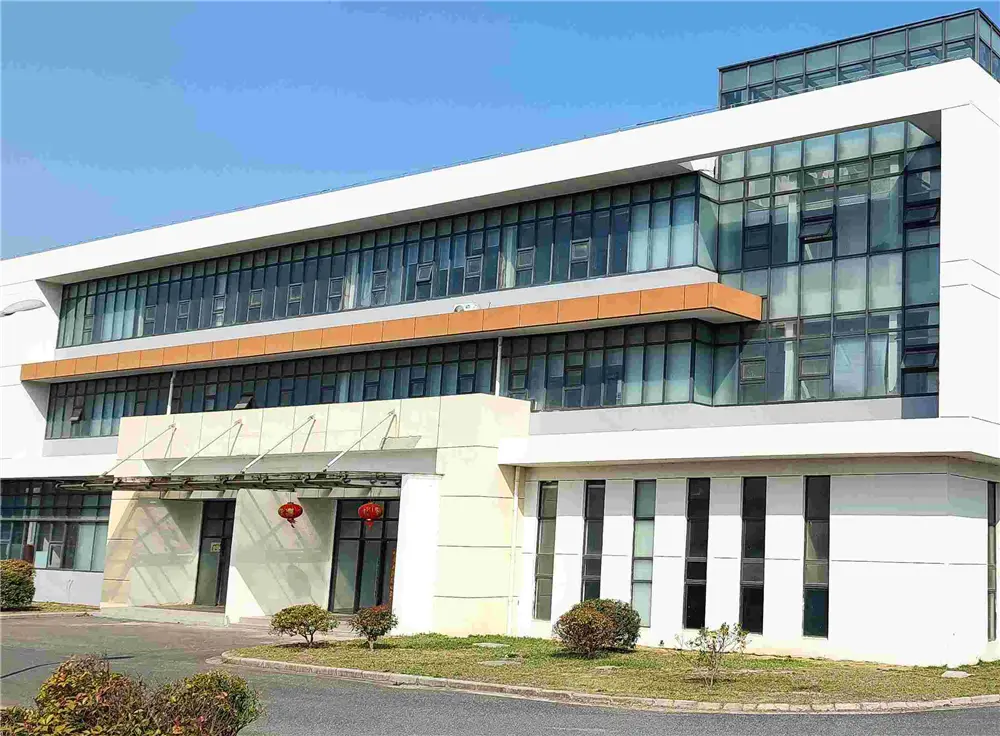
HIYIE Chemical Industrial Plant & Laboratory

Technological Roadmap: The Future of Surface Treatment and Coating Stripping

Looking ahead, the surface finishing industry must adapt to increasingly stringent ecological frameworks and the demands of automated smart factories. Our research pipeline is focused on delivering next-generation stripping solutions that address these challenges:

1. Biodegradable Chelating Matrices: Traditional complexing agents are stable in wastewater, which can complicate heavy-metal treatment. Our future roadmap focuses on natural, biodegradable organic acids that degrade into non-toxic components, simplifying wastewater treatment while maintaining stripping efficiency.

2. Low-Temperature Kinetics: To help our customers reduce energy consumption, we are developing chemical baths that operate efficiently at ambient temperatures ($20^\circ\text{C}$ to $25^\circ\text{C}$). This reduces thermal energy requirements while maintaining fast stripping times.

3. Smart Bath Monitoring: The integration of IoT sensors and automatic dosing systems allows for real-time tracking of pH, metal concentration, and active additive levels. This helps optimize chemical consumption and extend bath life, reducing waste.

Frequently Asked Questions

Get professional answers to common technical questions about zinc stripping chemistry and process management.

1. How do your stripping chemicals prevent attack on sensitive underlying metals?
Our formulations use selective organic inhibitors that adsorb onto the base metal (such as steel or copper) as soon as the zinc layer is dissolved. This organic film blocks the transfer of hydrogen ions to the metal surface, stopping acid attack and ensuring the base metal retains its dimensions and surface finish.
2. Can zinc-nickel alloy coatings be stripped with standard zinc strippers?
No, standard zinc strippers are usually insufficient for zinc-nickel alloy coatings due to the chemical resistance of nickel. Stripping zinc-nickel requires customized formulations, often incorporating mild oxidizers and specialized complexing agents, to dissolve both metals without damaging the base substrate.
3. What measures are taken to mitigate hydrogen embrittlement during stripping?
For high-tensile steels prone to hydrogen embrittlement, we recommend using alkaline stripping systems rather than strong acids. These alkaline formulas operate via chelation rather than acid reduction, preventing the generation of atomic hydrogen and protecting the physical properties of the steel.
4. Are your stripping chemicals compliant with RoHS and REACH regulations?
Yes. All our products are formulated to meet international environmental regulations, including RoHS and REACH. They are free from restricted substances like lead, mercury, hexavalent chromium, and nonylphenol ethoxylates (NPEOs).
5. What is the recommended wastewater treatment process for spent stripping baths?
For acid-based strippers, the process typically involves pH adjustment using sodium hydroxide or lime to precipitate zinc as zinc hydroxide, followed by solid-liquid separation. For alkaline chelating baths, a pre-treatment step may be needed to break the metal-chelate bonds before precipitation.

Specialized Coating & Plating Systems

Explore additional high-performance solutions from our chemical inventory, engineered to meet demanding industrial specifications.

1149 Barrel Bright Nickel Plating

1149 Barrel Bright Nickel Plating

View Details
Chrome Plating Carrier 105

Chrome Plating Carrier 105

View Details
31685 Rapid Brightening Nickel Plating

31685 Rapid Brightening Nickel Plating

View Details
J0-1 Ultra-Low Phosphorus Electroless Nickel

J0-1 Ultra-Low Phosphorus Electroless Nickel

View Details
6185 Alkaline Zinc-Nickel Plating

6185 Alkaline Zinc-Nickel Plating

View Details
ZN-318 Blue Trivalent Zinc-Nickel Passivation

ZN-318 Blue Trivalent Zinc-Nickel Passivation

View Details
8315 Alkaline Cyanide-free Bright Zinc Plating

8315 Alkaline Cyanide-free Bright Zinc Plating

View Details
216 High Corrosion-resistant Iridescent Trivalent Zinc Passivation

216 High Corrosion-resistant Iridescent Trivalent Zinc Passivation

View Details