Explore our premium grade chemical additives, electroplating components, and alloy solutions engineered to address micro-corrosion challenges in harsh environments.
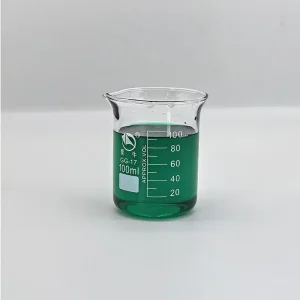
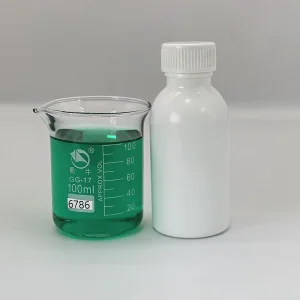
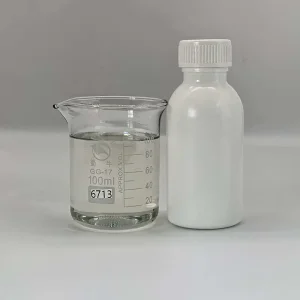
In modern surface treatment engineering, Tin-Zinc (Sn-Zn) alloy plating has surfaced as one of the most prominent technological substitutes for cadmium coatings, especially under stringent RoHS, REACH, and WEEE directives. Traditionally composed of roughly 70% to 80% tin and 20% to 30% zinc, this electroplated deposit merges the unique barrier protection of tin with the active galvanic protection of zinc.
Unlike pure zinc, which suffers from accelerated corrosion rates in marine and high-chloride setups, or pure tin, which is vulnerable to tin-whisker growth and lack of galvanic protective behavior on steel substrates, the synergistic combination of tin-zinc provides remarkable salt spray runtimes. Our chemical formulations are developed to address structural phase distribution challenges, ensuring that the electroplated deposition demonstrates a uniform distribution of tin and zinc microphases. This structural composition inhibits premature corrosion and minimizes contact resistance, making it the perfect choice for connectors, structural chassis, and automotive groundings.
Engineers selecting protective coatings often balance performance, environmental compliance, and cost. While Zinc-Nickel (Zn-Ni) coatings are widely applied in high-temperature automotive areas, Tin-Zinc coatings stand out in distinct operating conditions:
Addressing OEM requirements, international environmental directives, and macro-industrial application demands.
EV battery pack enclosures, high-voltage busbars, and internal electronics demand extreme corrosion protection without risking electrical resistance spikes. Our formulations preserve low electrical resistance even after extended exposure to humidity.
Offshore wind turbine fasteners and solar tracker arrays require long lifespan solutions under high-humidity, high-salinity conditions. The sacrificial nature of zinc combined with the barrier protection of tin prevents red rust formation.
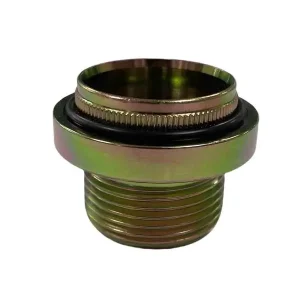
Ensures uniform thickness in deep threads, preventing thread galling and torque-tension variation. Excellent choice for hydraulic valves, connectors, and aerospace bracket systems.
A leading, R&D-driven manufacturer of high-performance surface treatment and organic solutions.
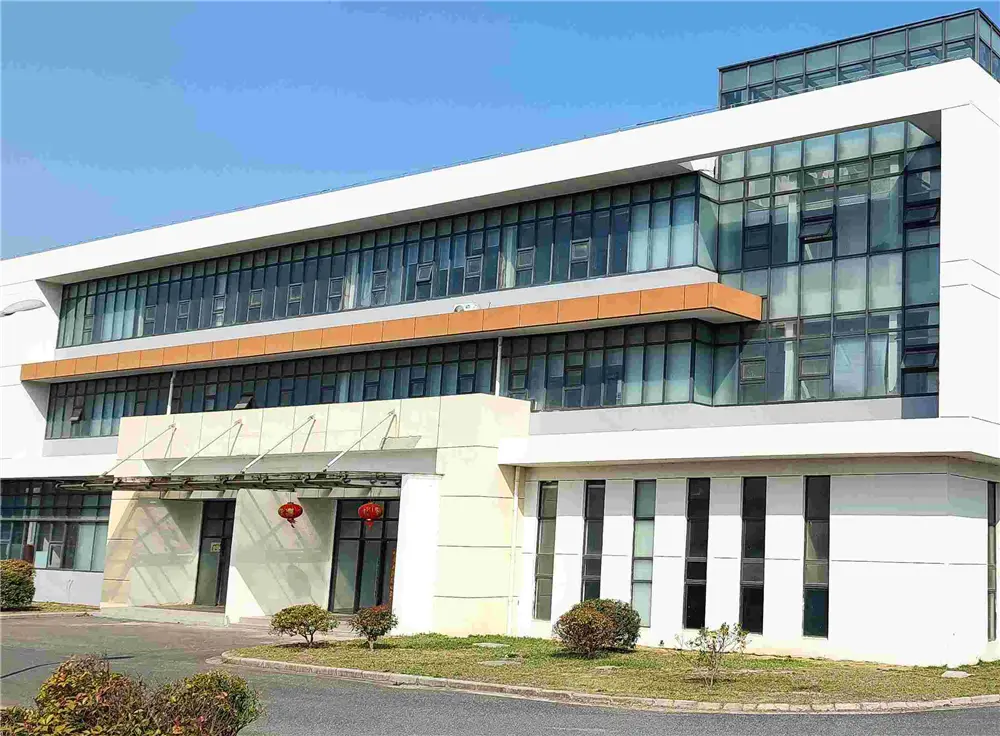
SUZHOU HIYIE CHEMICAL Co.,LTD boasts a comprehensive product portfolio covering consumer electronics, communication hardware, the semiconductor industry, automotive hardware, craft gifts, and beyond. In order to drive innovation and solve complex surface finishing issues, the company has partnered with multiple domestic and international chemical enterprises and universities, establishing a versatile, mobile R&D center.
Since its inception, Hiyie Chemical has set up specialized R&D institutes in Shanghai and Wuhan. Our extensive marketing and support network blankets major industrial clusters, including the Pearl River Delta, the Yangtze River Delta, and the Bohai Rim regions.
Our formulations and processes are widely utilized and trusted by globally recognized brands, including Foxconn Technology Group, Qinghai Salt Lake Group, Chint Group, Hongbao Group, Stanley Group, and Shifeng Group, earning us a solid reputation in the international surface finishing market.
Pioneering clean surface engineering through world-class talent, advanced technologies, and end-to-end customer support.

We introduce top-tier scientific minds, experienced technical engineers, and expert sales teams focused on delivering tailored answers.

Our highly responsive R&D system adapts dynamically to satisfy specialized, high-performance customer applications and unique challenges.

Cutting-edge, eco-friendly electroplating chemistries designed to comply with global environmental standards while maintaining superior protection.

Comprehensive pre-sale diagnostics, trial sampling, on-site setup advice, and swift post-purchase support across the globe.
Chemical reliability determines the yield rate of production lines. In accordance with ISO 9001 and ISO 14001 guidelines, we audit every batch of chemicals for concentration consistency, impurity limits, and reaction kinetics.
Heavy Metal & Toxic Chemical Elimination: Our modern plating chemistry formulations are completely free of hexavalent chromium ($Cr^{6+}$) and toxic cyanides. We employ sophisticated organic complexing agents to stabilize the tin and zinc ions in solution, preventing premature bath decomposition and ensuring steady plating speed under a wide operating temperature window.
Each delivery of chemical solutions undergoes strict analytical checks, including:
We assist tier-1 supply chain suppliers in passing audits for leading OEMs. Our products satisfy criteria including: RoHS Directive (EU) 2015/863, REACH Annex XVII, and Conflict Mineral regulations.
Our vision for advancing surface treatment technologies through 2026 and beyond.
Transitioning all zinc-nickel and tin-zinc passivates to completely cobalt-free systems while maintaining the standard-setting 1000h+ salt spray threshold.
Launching smart diagnostic sensors that dynamically monitor ion depletion in electroplating tanks, feeding data to chemical dosing systems for zero-downtime control.
Developing nano-alloying techniques that control crystallization grain sizes at the atomic scale, improving wear resistance and thermal dissipation profiles.
Stay informed with current events and announcements from Suzhou Hiyie Chemical.
The New Year bell rings the prelude to progress; We thank all our domestic and international clients, partners, and R&D associates for their ongoing support in driving next-generation electroplating technologies.
Common questions from buyers, plant managers, and chemical engineers regarding technical specs and usage.
A1: While zinc-nickel offers good heat resistance, tin-zinc is vastly superior in ductility and post-plating forming. Sn-Zn coatings allow parts to be crimped or bent without micro-cracking the coating layer. Furthermore, tin-zinc maintains excellent solderability and contact resistance over time, making it ideal for electrical terminations and electronic components.
A2: Hydrogen embrittlement is a major concern when plating high-tensile fasteners (tensile strength ≥ 1000 MPa). Alkaline tin-zinc plating baths display high cathode current efficiency, minimizing the volume of atomic hydrogen co-deposited during the plating cycle. Combined with standard post-plating baking procedures (typically at 190°C-210°C for 4 hours), the risk of brittle failure is effectively eliminated.
A3: The optimum composition for general corrosion protection is approximately 70-80% tin and 20-30% zinc. When the zinc content drops below 15%, the coating loses its active galvanic protection characteristics. If the zinc content exceeds 35%, the deposit forms bulky zinc corrosion products (white rust) quickly, resembling pure zinc coatings. Hiyie Chemical additives optimize current density profiles to ensure uniform alloy distribution across complex component geometries.
A4: Yes, absolutely. Modern trivalent chromium passivates (such as our iridescent ZN-318 or 216 formulations) work in tandem with tin-zinc deposits to form a robust, self-healing protective barrier. This combination routinely surpasses 1000 hours of neutral salt spray testing before the first occurrence of red rust.
A5: Yes. Because the open circuit potential of the 70/30 tin-zinc alloy lies between steel and aluminum, it acts as an electrochemical buffer. This minimizes the potential difference between the metals, significantly reducing galvanic corrosion in outdoor environments and EV chassis assemblies.
Explore our wider catalog, including specialized copper plating, nickel formulations, and advanced passivation agents.
 HIYIE
HIYIE