Explore our core chemical solutions engineered to secure reliable corrosion resistance, high electrical conductivity, and strict RoHS compliance across industrial applications.
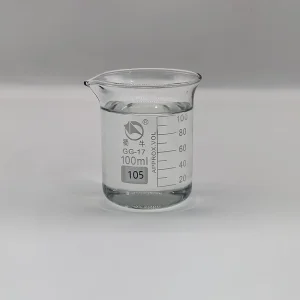
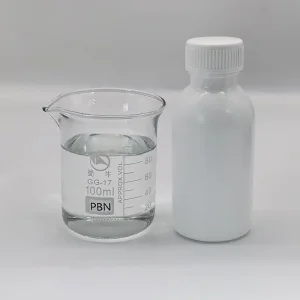
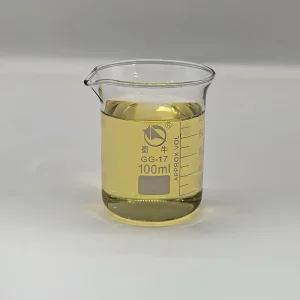
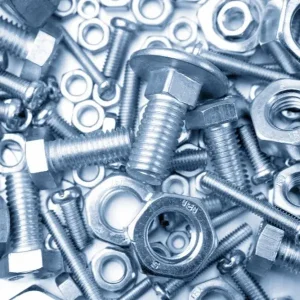
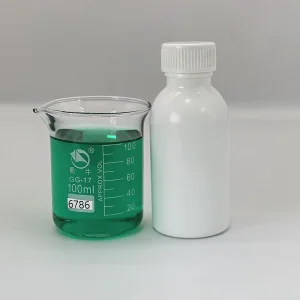
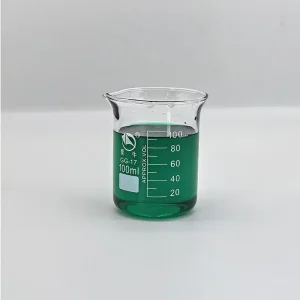
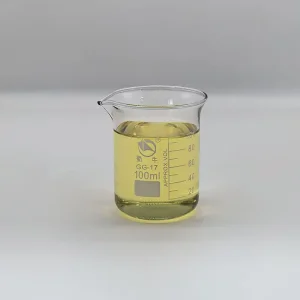
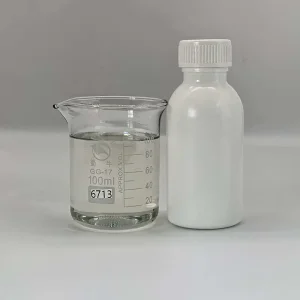
In the modern manufacturing landscape, component failure due to corrosion is one of the most critical structural and economic hazards. Traditional zinc electroplating coatings struggle under the synergistic demands of mechanical ductility, low contact resistance, and prolonged resistance to atmospheric oxidation. Tin-Zinc (Sn-Zn) electroplating—typically deposited as an alloy containing 70% to 80% tin and 20% to 30% zinc—has emerged as a premier engineering standard to bridge the performance gap between purely protective zinc coatings and highly conductive, ductile tin overlays.
As a leading China Tin Zinc Electroplating Manufacturer & Supplier, Suzhou Hiyie Chemical Co., Ltd. customizes high-precision bath formulations, organic additives, and process control mechanisms that optimize the codeposition of tin and zinc. By securing a homogeneous alloy matrix, our coatings eliminate galvanic coupling risks while supplying a barrier and sacrificial coating that withstands aggressive chloride-rich environments.
Tin-Zinc alloy coatings exhibit exceptional solderability, low electrical contact resistance, and superb ductility, rendering them the coating of choice for complex connector pins, automotive braking components, earth connectors, and critical military assemblies.
The 70Sn/30Zn eutectic structure guarantees an optimal balance between the sacrificial corrosion properties of zinc and the noble, solderable protective properties of tin.
| Property Metric | Sn-Zn Plating | Pure Zinc | Cadmium (Historical) |
|---|---|---|---|
| Salt Spray (ASTM B117) | 1000+ Hours | 250 Hours | 1000+ Hours |
| Contact Resistance | Low (<10 mΩ) | Moderate | Very Low |
| Whisker Growth Risk | Extremely Low | N/A | None |
| RoHS Compliance | Fully Compliant | Compliant | Banned |
Innovative coating formulations addressing next-generation automotive electrification and micro-electronics requirements.
Developing cobalt-free, trivalent chromium passivations that maintain the self-healing surface properties of legacy hexavalent systems. Our chemical designs ensure compatibility with global REACH and chemical agency directives.
Harnessing intelligent dosing systems and closed-loop spectrophotometer analysis to monitor the dynamic tin/zinc ion ratios in real-time, drastically reducing process fluctuation and coating defects.
Integrating trace quantities of bismuth or antimony into the electrodeposition cycle to disrupt the crystalline lattice of tin, successfully arresting the formation of whiskers in critical electronic assemblies.
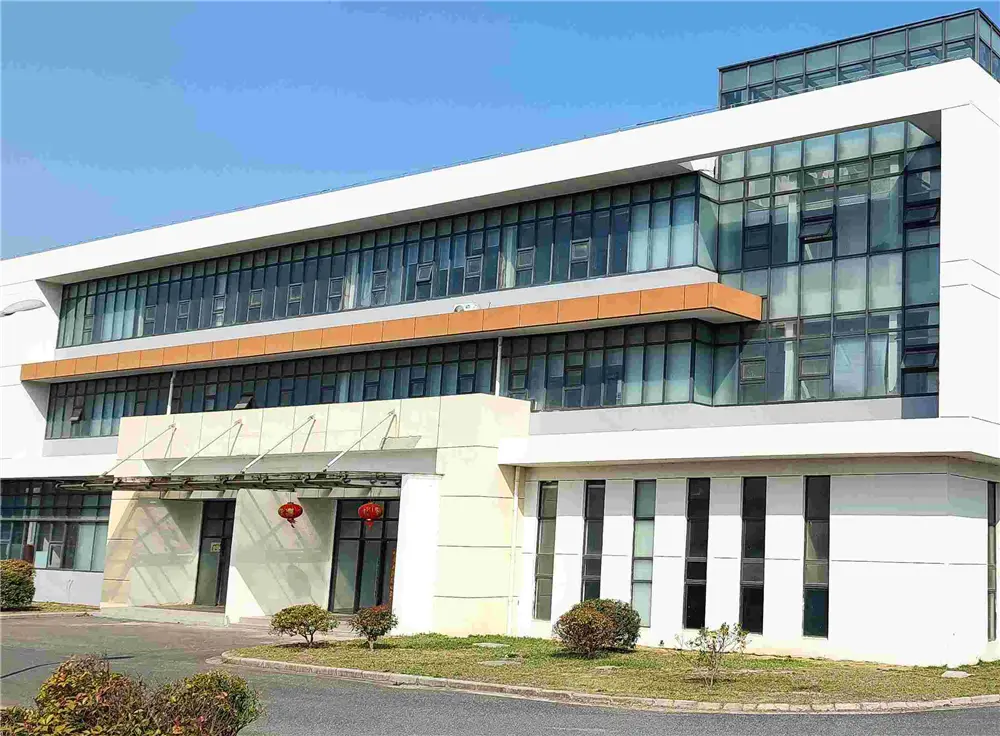
SUZHOU HIYIE CHEMICAL Co., LTD has established a diverse and highly technical product portfolio that spans consumer electronics, communication equipment, the semiconductor industry, automotive hardware, craft gifts, and beyond. We are a professional manufacturer of specialty chemical formulations and organic additives dedicated to the surface finishing and material protection industries.
Collaborating with multiple domestic and foreign chemical enterprises and academic research institutions, Suzhou Hiyie has established an advanced mobile R&D center focused entirely on addressing complex engineering and coating challenges. Since our inception, we have built key R&D bases in Wuhan and Shanghai.
Our active marketing network covers the high-demand industrial nodes of the Pearl River Delta, Yangtze River Delta, and the Bohai Rim regions. Our processes and additives are widely adopted and recognized by global industrial leaders, including Foxconn Technology Group, Qinghai Salt Lake Group, Chint Group, Hongbao Group, Stanley Group, Shifeng Group, and many others, earning the company an outstanding reputation for quality and reliability.
Leveraging institutional expertise, modern logistics, and green chemistry to protect your supply chain.

The company introduces a large number of staff, sales, and engineering talents who are directly responsible for ensuring customer satisfaction, troubleshooting line anomalies, and maintaining quality.

Our adaptable and responsive R&D mechanism allows us to satisfy the most demanding and specific chemical and environmental requirements of our global customers.

We deploy state-of-the-art chemical formulations built upon a philosophy of eco-friendly operations, replacing hazardous heavy metals with reliable alternatives.

We field a professional pre-sale, installation, and after-sale support team to offer deep engineering consultation, custom bath analysis, and logistical support.
The global raw material landscape demands modern factories that guarantee consistent chemical purity and high logistical throughput. Suzhou Hiyie has actively aligned with the China Factory 4.0 industrial strategy. By automating chemical synthesis, maintaining exact temperature controls during reaction phases, and employing automated batch packaging systems, we ensure that every single batch of electroplating additive meets strict standard deviations.
Our resilience is underpinned by localized raw material sourcing in China's prime chemical corridors, mitigating international supply line disruptions. With dedicated logistics channels and strategic warehousing near key shipping ports (Shanghai and Ningbo), we offer global OEMs reduced lead times, seamless customs clearance, and dynamic demand-responsive buffer stock management.
All production processes are certified under ISO 9001:2015 for quality management and ISO 14001:2015 for environmental compliance. Continuous ICP-OES elemental analysis is performed to ensure zero heavy metal cross-contamination across all brightener, carrier, and passivating agent shipments.
We enforce rigorous chemical testing parameters on every supply run:
Applying high-purity surface engineering chemistry to resolve modern engineering pain points.
In New Energy Vehicles (NEVs), dissimilar metals like aluminum structural frames and copper conductors are increasingly bolted together. This creates massive galvanic corrosion risks. Tin-Zinc electroplating acts as a neutralizing interface barrier, bringing the galvanic potential difference below 100 mV and preventing rapid localized decay of critical electrical joints.
High-tensile fasteners (Grade 8.8, 10.9, and 12.9) are highly susceptible to hydrogen embrittlement when coated using strong acid zinc solutions. Our alkaline, low-embrittlement tin-zinc formulations allow optimal hydrogen release during standard baking cycles, preserving the structural integrity and thread tolerance of high-tensile fasteners.
Outdoor power line connectors, grounding rods, and electrical switchgear housings suffer constant exposure to sulfur compounds and humidity. Tin-zinc plating delivers stable electrical contact resistance over years of weathering, protecting critical public utility networks from overheating and power losses.
| Industry Spec | Required Value | Hiyie Formulation Spec |
|---|---|---|
| ISO 2093 / ASTM B545 | Adhesion & Solderability | Exceeds Class A Heat/Quench Adhesion |
| RoHS Directive 2011/65/EU | <1000 ppm Cr(VI) | 0% Cr(VI) Trivalent Process |
| Ford WSS-M21P17 | Zinc-Alloy Coatings | Fully Qualified Automotive Formulation |
| REACH Regulation | No SVHC Substances | Compliant & Documented via SDS |
Procurement teams at multinational corporations face the challenge of reconciling localized vendor support with global environmental mandates. Suzhou Hiyie streamlines this process by supplying dual-language technical datasheets, full safety data sheets (SDS) aligned with the Globally Harmonized System (GHS), and comprehensive certifications of analysis (CoA) for every production batch.
Whether your plating lines are situated in North America, Western Europe, or Southeast Asia, our localization programs offer rapid engineering support. We provide customized container packaging (ranging from 25kg canisters to 1000kg IBC tanks) to fit your chemical dosing infrastructure. Additionally, we assist with initial bath startup and line transitions, ensuring minimal downtime during integration.
Expert technical insights to resolve common industrial electroplating dilemmas and bath control inquiries.
Select industrial formulations to optimize deposition rate, wear resistance, and long-term surface stability.
 HIYIE
HIYIE