Explore our foundational surface finishing systems engineered for extreme chemical stability, corrosion resistance, and high-brilliance blue-bright aesthetics.
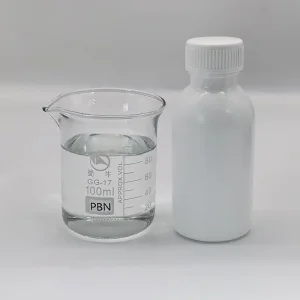
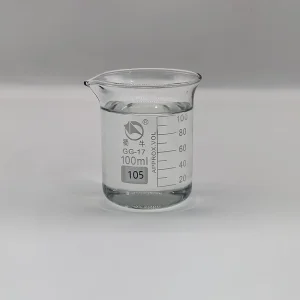
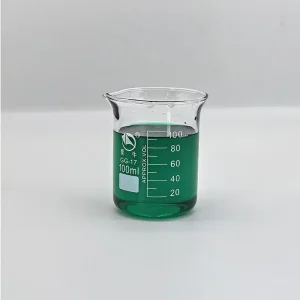
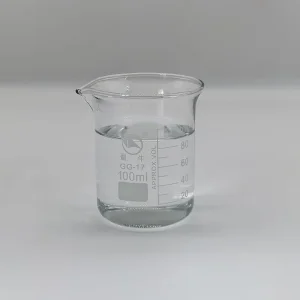
A Comprehensive Study of Kinetic Mechanisms, Corrosion Resisting Metrics, and Surface Engineering Protocols.
Historically, the electroplating and metal finishing industries relied heavily on hexavalent chromium (Cr6+) for passivating zinc and zinc alloy electrodeposits. However, with the enforcement of strict international environmental standards such as the Restriction of Hazardous Substances (RoHS) Directive, the Registration, Evaluation, Authorisation and Restriction of Chemicals (REACH) regulation, and the End-of-Life Vehicles (ELV) Directive, the industry has undergone a paradigm shift towards Trivalent Chromium (Cr3+) chemistry.
Trivalent chromium blue passivation agents operate through a fundamentally different thermodynamic and kinetic mechanism than their hexavalent predecessors. The primary objective is to deposit a thin, protective conversion coating over electroplated zinc layers without the high toxicity and carcinogenicity profiles linked to hexavalent chromium. The resulting trivalent passivation film offers exceptional corrosion protection, high thermal tolerance, and the desired aesthetic "blue-bright" finish widely sought by OEMs globally.
"The core challenge of trivalent chromium passivation has always been replicating the self-healing characteristics of hexavalent structures. Modern chemical engineering, utilizing nanoparticle silica and cobalt-free complexing agents, has bridged this gap, offering comparable salt spray performance with a significantly safer environmental footprint."
The deposition of a trivalent chromium blue passivation film is a self-limiting chemical reaction driven by localized pH shifts. The sequence begins when the freshly zinc-plated component is immersed in an acidic trivalent chromium passivation bath (typically adjusted to a pH range between 1.8 and 2.2). The reaction proceed as follows:
Step 1: Acid Activation and Zinc Dissolution
The free acid in the bath attacks the zinc substrate, causing localized dissolution of metallic zinc into zinc ions ($Zn \rightarrow Zn^{2+} + 2e^-$). Concurrently, hydrogen ions are reduced, generating hydrogen gas ($2H^+ + 2e^- \rightarrow H_2 \uparrow$).
Step 2: Localized pH Rise
The consumption of hydrogen ions at the interface triggers a sudden, localized rise in pH directly adjacent to the zinc surface. This micro-environmental pH shift shifts the chemical equilibrium of the trivalent chromium complexes present in the solution.
Step 3: Precipitation of the Passivation Layer
As the local pH crosses a critical threshold, hydrated trivalent chromium hydroxides ($Cr(OH)_3$) and zinc hydroxides precipitate directly onto the zinc surface, forming a gel-like conversion barrier. Organic or inorganic complexing agents and silica nanoparticles integrated into the formulation co-precipitate to dense up the layer structure, yielding a highly protective, thin-film blue passivation layer.
| Parameter / Property | Hexavalent Chromium Passivation | Trivalent Blue Passivation (Hiyie Chem) |
|---|---|---|
| Toxicity & Environmental Impact | Extremely High; Carcinogenic (Cr6+) | Very Low; Eco-Friendly, RoHS/REACH Compliant (Cr3+) |
| Typical Film Thickness | 200 nm - 1000 nm | 50 nm - 150 nm (Blue Bright) |
| Salt Spray Resistance (to White Rust) | 72 - 120 Hours (ISO 9227) | 72 - 150 Hours (without topcoats) |
| Thermal Resistance | Low (degrades above 70°C) | High (stable up to 150°C-200°C baking) |
| Self-Healing Capability | Excellent (due to soluble Cr6+ reserves) | Moderate to High (enhanced via silica nanoparticles) |
How Chinese chemical manufacturers lead the global market through integrated supply chains, extensive R&D, and cost efficiencies.
China is home to the world's most integrated industrial chemical clusters. From raw chromium ore processing to the synthesis of advanced organic stabilizers, Chinese manufacturers maintain direct access to upstream inputs. This structural advantage drastically minimizes supply chain disruptions, allowing companies like Suzhou Hiyie Chemical to guarantee price stability and continuous volume supply even during periods of global logistics volatility.
Electroplating job shops globally deal with varying water qualities, line speeds, and substrate materials. Chinese chemical formulators excel at rapid application engineering. Whether your plating line requires a highly concentrated formula for high-speed continuous strip plating or a customized stabilizer system to counter hard water impurities, our laboratories can synthesize, test, and ship custom formulations within extremely compressed timelines.
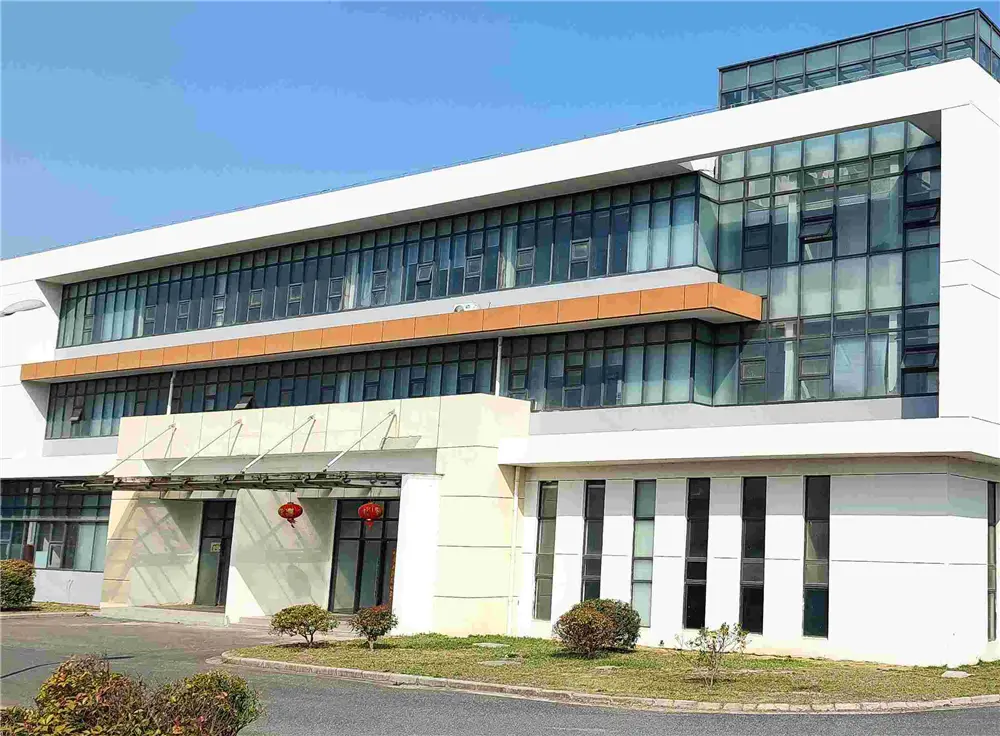
SUZHOU HIYIE CHEMICAL CO., LTD is a premier manufacturer and developer of organic chemical additives, surface treatment agents, and custom electroplating formulas. Our expansive product portfolio covers consumer electronics, communication equipment, semiconductor processing, automotive hardware, craft gifts, and heavy industrial machinery.
To stay at the vanguard of surface finishing technology, we have partnered with multiple prestigious universities and domestic chemical conglomerates to run mobile R&D centers. Suzhou Hiyie Chemical operates state-of-the-art research laboratories in Wuhan and Shanghai, while our sales and technical support network spans the Pearl River Delta, Yangtze River Delta, and the Bohai Rim regions.
Our solutions are approved and deployed by industry leaders worldwide, including Foxconn Technology Group, Qinghai Salt Lake Group, Chint Group, Hongbao Group, Stanley Group, and Shifeng Group. Through environmental responsibility, rigorous quality control, and persistent innovation, Hiyie Chemical remains a trusted global supplier for advanced plating chemistry.
Read More About HiyieCombining world-class engineering personnel, flexible R&D, and premium technical support.
We employ top-tier chemical engineers and plating specialists focused on delivering reliable technical support and client satisfaction.
Our R&D mechanisms adapt swiftly to design custom chemical properties matching the exact requirements of your production lines.
We pioneer eco-friendly electroplating and passivation chemistries, lowering toxic heavy-metal output globally.
From on-site bath bath set-ups to regular laboratory testing, Hiyie Chemical helps optimize your operational parameters for continuous maximum yield.
Analyzing industry shifts toward chromium-free alternatives, cobalt elimination, and heavy-duty localized engineering demands.
The regulatory horizon is continuously changing. Initially, trivalent passivation films incorporated cobalt salts ($Co^{2+}$) to serve as a structural catalyst and corrosion inhibitor. However, European chemical agencies have flagged cobalt compounds due to potential environmental hazards. Consequently, global tier-1 automotive suppliers now actively request Cobalt-Free Trivalent Blue Passivation agents.
To counter the loss of cobalt, chemical developers must formulate agents that integrate specialized organic cross-linkers and silica nanoparticles. These nanoparticles migrate to micro-cracks inside the passivation film as it dries. When mechanical wear or environmental stress occurs, they swell and lock the surface, offering a self-healing effect that prevents corrosive moisture from reaching the underlying zinc layer.
Trivalent chromium blue passivation agents are deployed across diverse and demanding applications:
For high-volume metal finishers, the blue passivation step is part of an integrated, multi-phase system. Achieving consistent quality requires absolute control over every stage of the surface treatment line:
Maintaining parameters like bath temperature (20°C to 30°C), agitation (mechanical or mild air), and immersion times (20 to 45 seconds) is critical. Deviating from these settings can cause patchy film development, yellowing, or reduced salt spray protection.
Essential strategies for purchasing agents to evaluate, monitor, and scale chemical inventories.
Global procurement teams must look beyond unit price. When sourcing trivalent chromium blue passivation agents, they should evaluate the following criteria:
Suzhou Hiyie Chemical provides comprehensive technical data sheets (TDS) and safety data sheets (SDS) with every batch. Each shipment undergoes rigorous quality assurance testing, including inductively coupled plasma (ICP) analysis, to verify chemical ratios and metal purity before dispatch.
Expert answers to the most common chemical engineering and application challenges in trivalent passivation.
This is typically caused by high bath pH, prolonged immersion times, or trace hexavalent chromium contamination. If the pH rises above 2.5, trivalent chromium precipitates too rapidly, leading to uneven film thicknesses that cause iridescent coloration. Adjust the pH using clean, diluted nitric or sulfuric acid, and verify the immersion timing.
Bath life is shortened by drag-in contamination. Ensure thorough rinsing steps before the passivation tank, and use a dilute nitric acid pre-dip (0.5% by volume) to neutralize alkaline residues. Installing continuous filtration systems and using high-tolerance chemical formulas also extends bath stability.
Yes, we offer specialized formulations such as the ZN-318 Blue Trivalent Zinc-Nickel Passivation. These solutions are formulated to react with alloy coatings containing 12-15% nickel, producing a uniform conversion layer that provides extreme corrosion protection.
Trivalent conversion films are gel-like and contain hydrated water molecules. Baking at temperatures between 60°C and 80°C helps dehydrate and harden the coating. However, overheating (above 120°C) can cause micro-cracking in the passivation barrier, reducing corrosion resistance.
We offer both high-performance cobalt-containing and eco-compliant cobalt-free trivalent passivation systems to meet various regional requirements and OEM standards.
Stay informed about seasonal operational schedules, raw material trends, and upcoming product innovations from Hiyie Chemical.

As we celebrate the transition into a prosperous new year, Suzhou Hiyie Chemical has resumed full production and laboratory operations. Our logistics and R&D pipelines are fully operational to support global orders and custom developmental testing for the upcoming manufacturing season.
Integrate our specialty chemical agents to achieve clean plating results, chemical longevity, and reliable corrosion protection.
 HIYIE
HIYIE