Select surface treatment chemicals engineered to ensure exceptional mechanical, chemical, and barrier properties across multiple industrial surfaces.
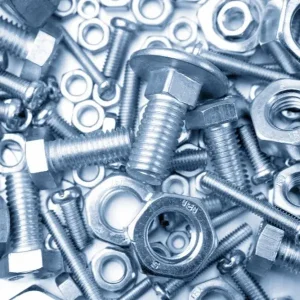
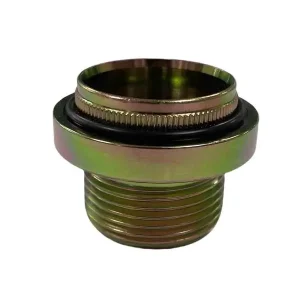
In modern industrial manufacturing, metal components are subjected to intense mechanical stress and chemical erosion. Historically, hexavalent chromium (Cr6+) served as the default standard for corrosion prevention. However, severe regulatory constraints—motivated by occupational safety and bioaccumulation concerns—have mandated a swift transition towards trivalent chromium conversion coatings (TCCC).
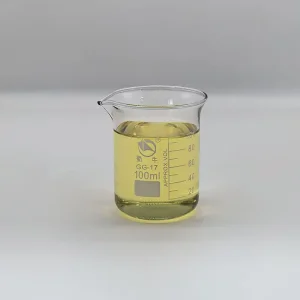
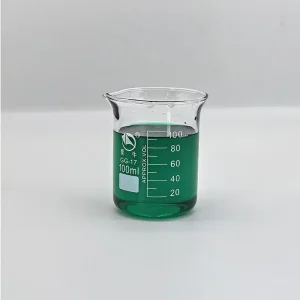
As a leading China Trivalent Chromium Color Zinc Passivation Agent Manufacturer, we engineer formulations that provide an impenetrable, self-healing oxide barrier over zinc-plated substrates. Our proprietary chemistry leverages stable chromium (Cr3+) complexes coupled with organic transition metal stabilizers to yield vibrant iridescent color finishes, matching or exceeding historical hexavalent chromium baselines in Salt Spray Tests (SST).
The film-deposition kinetics involve an initial dissolution of sacrificial zinc under controlled acidic conditions, followed by local pH elevation at the boundary layer. This triggers the precipitation of insoluble chromium hydroxide and zinc complexes, creating a highly dense, hydrophobic protective film.
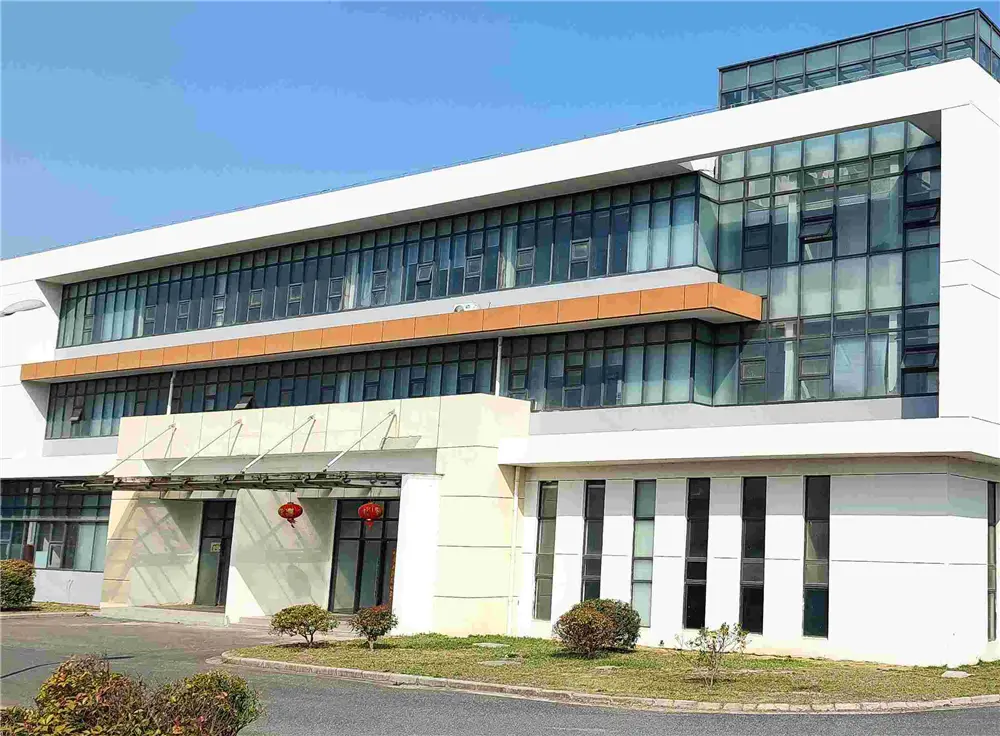
SUZHOU HIYIE CHEMICAL CO., LTD. stands at the forefront of the specialty chemicals sector, delivering highly customized surface treatment solutions globally. Our diverse product portfolio spans consumer electronics, high-speed communication equipment, semiconductor manufacturing, automotive hardware, craft gifts, and precision structural parts.
To address complex tribological and corrosion challenges across distinct industries, we have established mobile R&D centers in collaboration with multiple domestic and foreign academic institutions. With dedicated research laboratories positioned in Wuhan and Shanghai, we possess comprehensive validation capabilities, including advanced electrochemical impedance spectroscopy (EIS), gas chromatography-mass spectrometry (GC-MS), and scanning electron microscopy (SEM) for microstructural quality control.
Over the years, our logistics networks have penetrated key global electronics and automotive manufacturing clusters, including the Pearl River Delta, Yangtze River Delta, and Bohai Rim regions. Our robust formulations are qualified and widely used by industry leaders such as Foxconn Technology Group, Qinghai Salt Lake Group, Chint Group, Hongbao Group, Stanley Group, and Shifeng Group, cementing our reputation as a trusted technical partner.
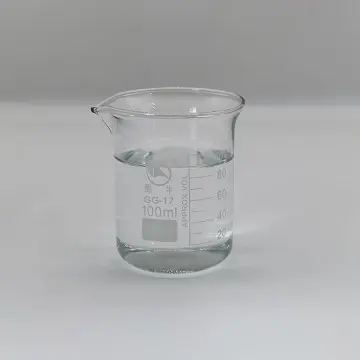
Pioneering eco-friendly formulations, rigorous laboratory testing, and seamless supply-chain integration.
We source top-tier chemical engineering talent globally to drive innovation, providing customized formulations for challenging alloys.
Agile chemical synthesis protocols allow us to modify passivation chemistry to meet unique client-side constraints.
We prioritize zero-discharge chemical formulations, eliminating toxic trace additives while optimizing waste-water treatment profiles.
From initial bath parameters design to ongoing chemical diagnostics and replenishment schedules, we support your line.
A comprehensive comparison illustrating the corrosion kinetics, physical characteristics, and compliance metrics of trivalent chromium color zinc passivation agent.
| Performance Parameter | High-Corrosion TCCC (Iridescent/Color) | Hexavalent Cr6+ Systems (Obsolete) | Cobalt-Free Trivalent Blue |
|---|---|---|---|
| Primary Film Thickness | 120 nm – 350 nm | 200 nm – 450 nm | 60 nm – 100 nm |
| Salt Spray Resistance (White Rust) | > 120 Hours (ASTM B117) | > 96 Hours (ASTM B117) | > 72 Hours (ASTM B117) |
| Salt Spray Resistance (Red Rust) | > 240 Hours (Zinc-Plated) | > 240 Hours (Zinc-Plated) | > 120 Hours (Zinc-Plated) |
| Optimal Processing Temp | 45°C – 65°C | 15°C – 30°C | 20°C – 35°C |
| Self-Healing Efficiency | High (via silica/zirconia nano-doping) | Extremely High (due to soluble Cr6+) | Moderate |
| RoHS / REACH Compliance | Fully Compliant (Zero Cr6+) | Banned / Subject to Authorization | Fully Compliant |
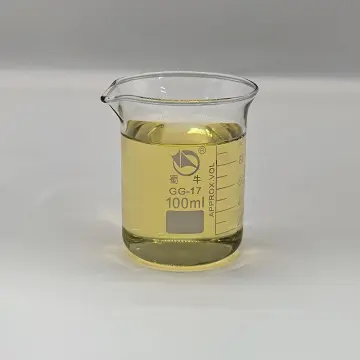
The global automotive supply chain, governed by stringent standards like GMW3044 and ISO 2081, demands high-performance, non-toxic alternatives for fasteners, brackets, and structural components. Our trivalent passivation agent integrates proprietary nano-colloidal silica particles that bind within the chromium oxide matrix. As a result, the coating exhibits enhanced self-healing behavior, remaining functional even after experiencing thermal shock (up to 120°C for 24 hours).
For high-frequency telecommunications hardware and consumer electronics, the passivation layer must offer balanced contact resistance and reliable EMI shielding. Our formulations control film thickness and uniformity down to the nanometer scale, ensuring consistent electrical contact while resisting atmospheric moisture and galvanic corrosion when in contact with aluminum chassis.
Looking to the future, our engineering roadmap aims to eliminate cobalt (Co) and fluoride ions from the bath chemistry entirely, anticipating future environmental directives. We are actively developing next-generation trivalent passivation matrices containing organic-inorganic hybrid polymer seals, aiming to surpass 200 hours of white rust resistance without post-dip sealers.
Expert insights addressing operational metrics, chemical parameters, and common troubleshooting on the plating floor.
Review additional premium solutions designed to meet specific technical requirements across demanding manufacturing environments.
 HIYIE
HIYIE