China White Zinc Plating Manufacturers & Suppliers

High-Performance Corrosion Resistance & Eco-Friendly Passivation Solutions for Global Engineering Standards

Featured Surface Finishing Formulations

Explore our premium industrial-grade electroplating chemicals, trivalent passivations, and alloy systems engineered for demanding industrial environments.
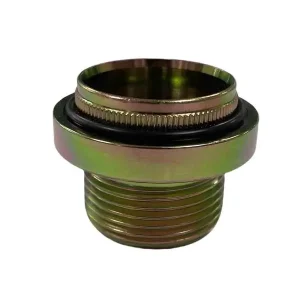
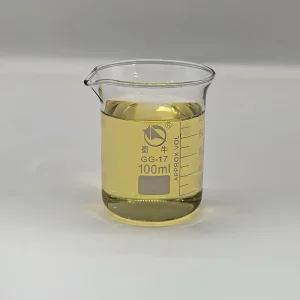
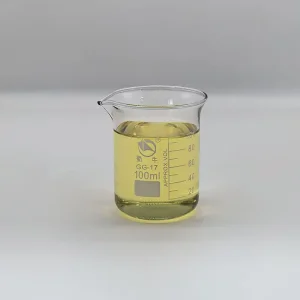
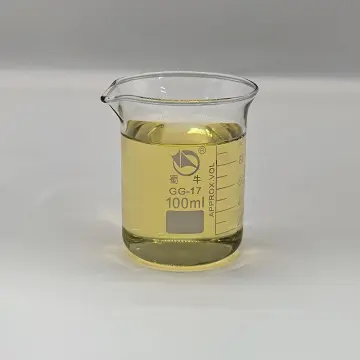
216 High Corrosion-resistant lridescent Trivalent Zinc Passivation

216 High Corrosion-resistant Iridescent Trivalent Zinc Passivation

View Product Details
8315 Alkaline Cyanide-free Bright Zinc Plating

8315 Alkaline Cyanide-free Bright Zinc Plating

View Product Details
6185 Alkaline Zinc-Nickel Plating

6185 Alkaline Zinc-Nickel Plating

View Product Details
ZN-318 Blue Trivalent Zinc-Nickel Passivation

ZN-318 Blue Trivalent Zinc-Nickel Passivation

View Product Details
FS100 Semi-Bright Nickel Plating

FS100 Semi-Bright Nickel Plating

View Product Details
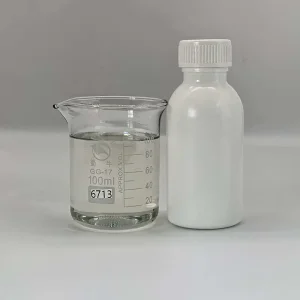
HITEC EN 6713 A/B/C Mid Phosphorus Electroless Nickel

HITEC EN 6713 Mid Phosphorus Electroless Nickel

View Product Details
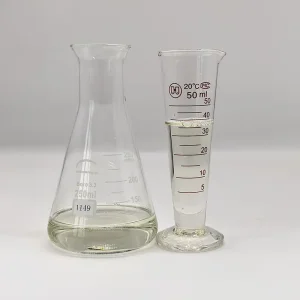
1149 Barrel Bright Nickel Plating

1149 Barrel Bright Nickel Plating

View Product Details
J0-1 Ultra-Low Phosphorus Electroless Nickel

J0-1 Ultra-Low Phosphorus Electroless Nickel

View Product Details

White Zinc Plating Industry Whitepaper: Engineering & Strategic Sourcing

White Zinc Plating (often referred to as clear zinc, blue zinc, or trivalent blue-bright passivation) is a cornerstone electroplating technology used worldwide to protect steel, iron, and brass substrates. By depositing a micro-thin layer of metallic zinc onto the surface of a metal part, followed by the application of a trivalent chromium (Cr3+) conversion coating, manufacturers achieve an optimal blend of atmospheric corrosion resistance, aesthetic brilliance, and cost-effectiveness. In this comprehensive technical guide, we examine the structural chemistry, manufacturing ecosystems, global compliance parameters, and strategic supply chain advantages that make Chinese manufacturers the leading partners in high-performance electroplating technologies.

1. Chemistry & Engineering Principles of Trivalent White Zinc Plating

The protective capability of white zinc plating relies on two distinct mechanisms working in synergy:

  • Sacrificial Anodic Protection: Zinc has a lower standard electrode potential than iron (-0.76V vs. -0.44V). When the coating is exposed to corrosive moisture, the zinc layer acts as a sacrificial anode, corroding preferentially to shield the underlying steel substrate. This prevents oxidation (red rust) even if the coating suffers mechanical scratches or minor micro-cracks.
  • Trivalent Chromate Passivation: Freshly plated zinc is highly reactive and oxidizes rapidly to form white rust (zinc carbonate). To prevent this, the plated parts are dipped in a passivation bath containing trivalent chromium ions (Cr3+). The chemical reaction produces a gel-like, self-healing organometallic conversion film (typically 0.1 to 0.5 microns thick). This layer seals the zinc, dramatically delaying the onset of white rust.

With environmental directives such as RoHS (Restriction of Hazardous Substances) and REACH banning the use of toxic hexavalent chromium (Cr6+), advanced formulations like the 216 High Corrosion-resistant Iridescent Trivalent Zinc Passivation and ZN-318 Blue Trivalent Zinc-Nickel Passivation have become the global standards, offering equal or superior salt spray performance without environmental hazards.

Structural Advantages of Chinese Electroplating Factories

Why global OEMs, Tier-1 automotive suppliers, and industrial designers prioritize Chinese manufacturing clusters for their surface treatment requirements.

Vertical Supply Chain Integration

Chinese electroplating facilities are embedded within massive industrial ecosystems (e.g., Yangtze River Delta and Pearl River Delta). This close proximity to raw steel suppliers, precision CNC machining shops, cold-heading factories, and heat-treatment facilities minimizes logistics costs, shortens lead times, and reduces supply chain risks.

Advanced Chemical R&D Capabilities

Firms like Suzhou Hiyie Chemical collaborate with leading research universities to run mobile R&D centers in Shanghai and Wuhan. This ongoing innovation yields highly specialized additives—such as cyanide-free alkaline plating systems and high-speed acid copper carriers—that optimize plating speed, thickness uniformity, and chemical bath longevity.

Strict Compliance & Green Manufacturing

Modern Chinese electroplating lines operate under strict national environmental policies. By investing in high-capacity wastewater treatment plants, Zero Liquid Discharge (ZLD) systems, and air scrubbers, these facilities guarantee stable, long-term operations that comply with rigorous international audits.

2. Industrial Solutions & Localized Application Scenarios

White zinc plating is utilized across diverse industries, each requiring specific parameters for coating thickness, passivation chemistry, and post-treatments:

Automotive Fasteners & Components

Under-the-hood and chassis fasteners face extreme exposure to salt spray, humidity, and thermal cycling. To protect these components, manufacturers apply specialized zinc-nickel alloy plating (such as 6185 Alkaline Zinc-Nickel Plating paired with ZN-318 Blue Trivalent Passivation). This combination withstands over 1,000 hours of neutral salt spray testing without generating red rust, while maintaining stable torque-tension characteristics during assembly.

Consumer Electronics & Telecommunications

For electromagnetic shielding enclosures, chassis, and brackets, the plating must deliver reliable electrical conductivity, a clean aesthetic, and precise dimensional tolerances. Alkaline cyanide-free zinc systems (such as the 8315 process) ensure exceptionally uniform metal distribution across complex geometries, preventing build-up on threaded holes and critical contact points.

Electrical Grid Infrastructure & Construction Hardware

Outdoor brackets, conduits, and heavy-duty fasteners require thick, robust zinc layers. Chinese manufacturers utilize automated rack plating lines to apply 12 to 25-micron zinc coatings, followed by high-performance sealants. This combination delivers long-term atmospheric corrosion resistance that matches the service life of galvanized structures, but at a lower cost and with superior cosmetic consistency.

1000+

SST Hours (Zn-Ni Trivalent)

15+

Years R&D Experience

RoHS 3

Compliant Chemistry

100%

Cyanide-Free Alkaline Options

3. Quality Control & Sourcing Framework (E-E-A-T Guidelines)

When selecting a Chinese manufacturer or chemical supplier for white zinc plating, procurement departments must evaluate several critical quality control parameters to verify technical expertise, process reliability, and compliance:
  1. Salt Spray Testing (ASTM B117 / ISO 9227): Demand documented validation of salt spray test hours. Standard trivalent white zinc coatings should withstand 72 to 120 hours to white rust, and 120 to 240 hours to red rust. High-performance zinc-nickel alloys should easily exceed 720 hours to red rust.
  2. Hydrogen Embrittlement Relief Baking (ASTM F1941): High-tensile steel components (tensile strength ≥ 1000 MPa, or hardness ≥ 31 HRC, such as Grade 10.9 and 12.9 fasteners) are vulnerable to hydrogen absorption during cleaning and acid activation. Verify that the plating partner implements a strict post-plating baking routine (typically at 200°C ± 5°C for 4 to 24 hours, initiated within 4 hours of plating) to release trapped hydrogen.
  3. Coating Thickness Verification (XRF Testing): Coating thickness should be validated using X-ray Fluorescence (XRF) non-destructive testing. A quality supplier will provide thickness distribution charts demonstrating compliance with specified classifications (e.g., Fe/Zn 5, Fe/Zn 8, Fe/Zn 12).
  4. Chemical Bath Management: The stability of the plating bath directly affects coating quality. Check if the supplier uses advanced chemical carriers, organic brighteners, and continuous filtration systems to prevent contamination by metallic impurities (like copper and iron), which can degrade corrosion resistance and visual brightness.
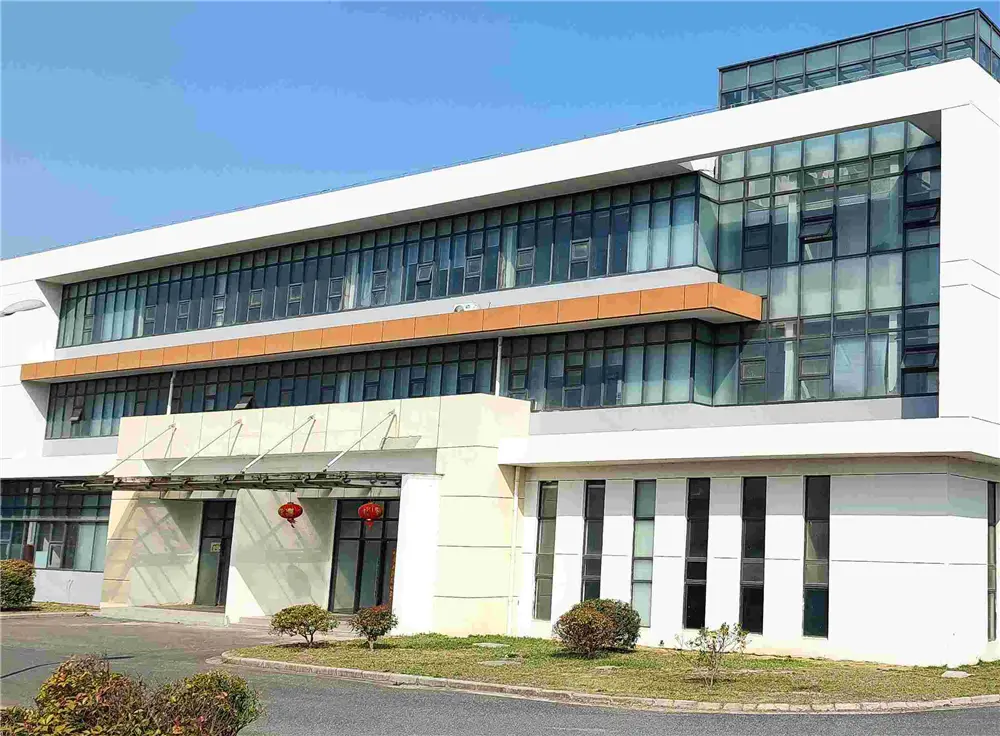
SUZHOU HIYIE CHEMICAL Co.,LTD Laboratory & Production facility

About Hiyie

A Professional Manufacturer of Specialty Industrial Formulations
SUZHOU HIYIE CHEMICAL Co.,LTD has a product portfolio that covers consumer electronics, communication equipment, semiconductor industry, automotive hardware, craft gifts, and more. The company has collaborated with multiple domestic and foreign chemical companies and universities to establish a mobile R&D center dedicated to solving technical challenges in the industry. Since its establishment, the company has set up R&D institutions in Wuhan and Shanghai. Its marketing network covers the Pearl River Delta, Yangtze River Delta, and Bohai Rim regions. Its products have been widely used and recognized by many well-known domestic and foreign companies such as Foxconn Technology Group, Qinghai Salt Lake Group, Chint Group, Hongbao Group, Stanley Group, Shifeng Group, and others, earning the company a good reputation and a wide market.

Why Choose Suzhou Hiyie Chemical

We combine advanced chemical R&D, green production standards, and proactive support to serve global industrial markets.

Personnel

The company introduces a large number of staff, sales, talents, and is responsible for customers.

R & D

The flexible R & D mechanism can satisfy the highest and specific requirements of customers.

Technology

The most updated technology with the philosophy of environmentally-friendly.

After-sales service

We have professional pre-sale, sale and after-sale team to provide you with high quality service.

Technical FAQ: White Zinc Plating & Passivation

Answers to common technical, manufacturing, and sourcing questions from design and procurement engineers.

What is the difference between white zinc plating, blue zinc plating, and clear zinc plating?
These terms refer to the same basic process: electrodeposited zinc followed by a trivalent chromate conversion coating. The resulting surface has a clear finish with a light blue or iridescent tint. The slight blue tone comes from the specific thickness and chemistry of the trivalent passivation layer (like our ZN-318 or 216 formulations). Historically, "clear zinc" was achieved using hexavalent chromium (Cr6+), but modern processes use environmentally friendly trivalent chromium (Cr3+) formulations to comply with RoHS and REACH regulations.
How does alkaline cyanide-free zinc plating compare to acid zinc plating?
Acid zinc plating is highly efficient and produces a bright cosmetic finish, but it has poor throwing power. This leads to uneven coating thicknesses on complex shapes or threaded sections. In contrast, alkaline cyanide-free zinc plating (such as the 8315 process) delivers exceptionally uniform coating distribution, even in low-current density areas (recesses, internal threads, and complex profiles). This makes it the preferred choice for safety-critical fasteners and precision automotive components.
Why choose a zinc-nickel alloy over standard pure zinc plating?
Zinc-nickel alloy plating (typically 12-16% nickel content, using systems like the 6185 process) provides vastly superior corrosion and thermal resistance. While standard white zinc plating offers 72 to 120 hours of salt spray resistance (white rust), zinc-nickel coatings routinely exceed 1,000 hours of neutral salt spray testing without red rust. Zinc-nickel also maintains its protection at elevated operating temperatures (up to 200°C), making it the standard choice for automotive engine bay and chassis components.
How do you prevent hydrogen embrittlement in high-strength fasteners?
Hydrogen embrittlement is prevented through mechanical pretreatments (like wheelabrating or shot blasting) rather than acid pickling, followed by baking the plated parts. High-strength parts (tensile strength ≥ 1000 MPa) must be baked at 200°C ± 5°C within 4 hours of electroplating, and before the passivation step. This process drives out any atomic hydrogen absorbed during plating, maintaining the structural integrity of the steel.

Company Updates & Industry Insights

Stay informed about our latest technical innovations, market updates, and corporate milestones.
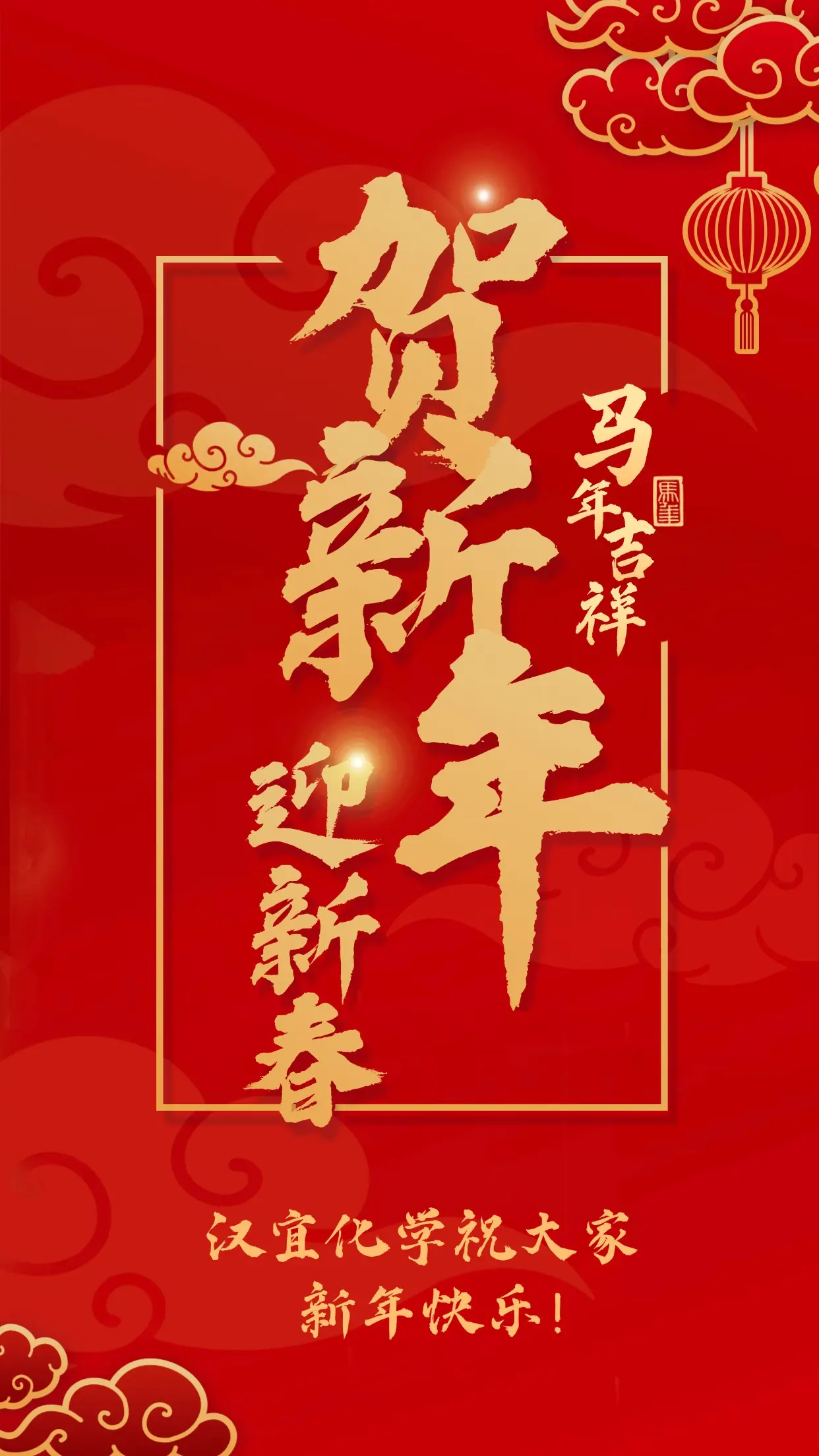
Happy Chinese New Year celebration at Hiyie Chemical
17 Feb 2026

The Snake ushers in blessings as we bid the old year farewell; The Horse brings spring as we embark on a new journey.

The Snake ushers in blessings as we bid the old year farewell; The Horse brings spring as we embark on a new journey. The New Year bell rings the prelude to progress as we continue to expand our advanced electroplating and surface treatment solutions worldwide.

Read Full Update

Complete Coating & Plating Systems Portfolio

We manufacture a full range of functional and decorative electroplating solutions, including acid copper, nickel, chrome, and electroless nickel systems.
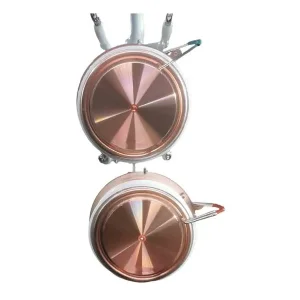
672 High-Speed Bright Acid Copper Plating

672 High-Speed Bright Acid Copper Plating

View Product Details
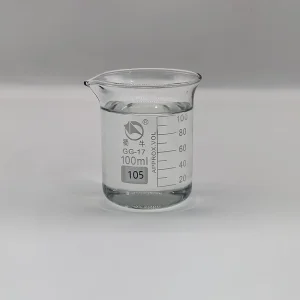
Chrome Plating Carrier 105

Chrome Plating Carrier 105 Formulation

View Product Details
372 Alkaline Cyanide-Free Copper Plating

372 Alkaline Cyanide-Free Copper Plating

View Product Details
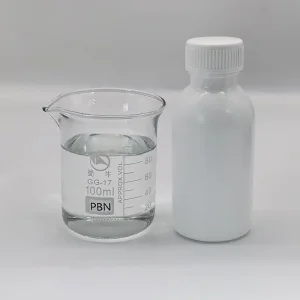
PBN Pearl Nickel

PBN Pearl Nickel Plating Process

View Product Details
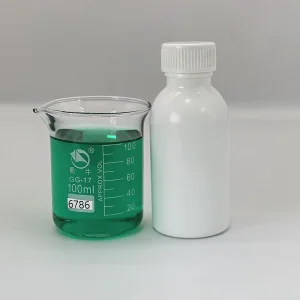
HITEC EN 6786 A/B/C High Phosphorus Electroless Nickel

HITEC EN 6786 High Phosphorus Electroless Nickel

View Product Details
31685 Rapid Brightening Nickel Plating

31685 Rapid Brightening Nickel Plating

View Product Details
FS100 Semi-Bright Nickel Plating Formulation

FS100 Semi-Bright Nickel Plating Additives

View Product Details
8315 Alkaline Cyanide-free Bright Zinc Plating

8315 Alkaline Cyanide-Free Bright Zinc Brightener

View Product Details