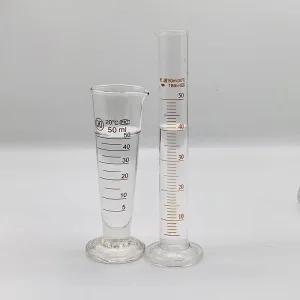
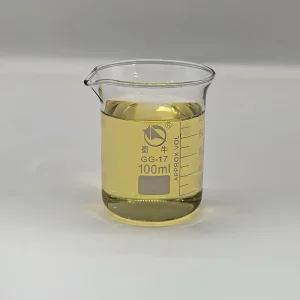
Explore our high-performance electroplating carriers, post-treatment agents, and trivalent zinc passivation systems designed for global industrial compliance.
Addressing the international demand transition from legacy hexavalent chromates to high-efficiency, environmentally compliant trivalent yellow passivation.
For decades, the yellow zinc finish—achieved via zinc electrodeposition followed by a chromate conversion coating—has been a cornerstone of mechanical engineering. It serves as a sacrificial barrier protecting carbon steel and iron substrates from premature oxidation. The classic iridescent yellow hue was historically derived from hexavalent chromium (CrVI) formulations. However, global regulatory mandates such as the European Union’s RoHS (Restriction of Hazardous Substances) Directive 2002/95/EC, REACH (Registration, Evaluation, Authorisation and Restriction of Chemicals), and WEEE (Waste Electrical and Electronic Equipment) have phased out CrVI due to its carcinogenic nature.
As a pioneering China yellow zinc finish manufacturer, Suzhou Hiyie Chemical Co., Ltd. has stood at the vanguard of this transition. By engineering solutions like the 216 High Corrosion-resistant Iridescent Trivalent Zinc Passivation system, we supply coating formulations that match or exceed the protection levels of old hexavalent systems. Modern trivalent zinc passivation (CrIII) forms an optimized conversion film integrated with cobalt-free or cobalt-containing complexing agents, yielding a robust barrier against both white and red rust.
Selecting the appropriate electroplating chemistry requires understanding the underlying mechanical properties. While blue trivalent passivation offers aesthetic cleanliness, yellow trivalent passivation is engineered for superior atmospheric protection. The table below illustrates the structural performance of various passivation technologies.
| Technology Type | Coating Thickness | Salt Spray Resistance (ASTM B117) | Primary Application | Environmental Footprint |
|---|---|---|---|---|
| Legacy Hexavalent Yellow Passivation | 0.5 - 1.0 µm | 72 - 96 Hours (White Rust) | Historic Automotive & Construction | High Toxicity (Banned under RoHS) |
| Trivalent Yellow Passivation (e.g., HIYIE 216) | 0.8 - 1.5 µm | 120 - 240 Hours (White Rust) | Modern Automotive & Outdoor Hardware | Eco-Friendly, Non-toxic |
| Trivalent Blue Passivation | 0.2 - 0.5 µm | 24 - 72 Hours (White Rust) | Indoor electronics & brackets | Eco-Friendly |
| Zinc-Nickel Passivation (e.g., ZN-318) | 1.0 - 2.5 µm | 480 - 1000 Hours (Red Rust) | Heavy Duty Marine & Chassis | Industry-Leading Compliance |
Our forward-looking R&D efforts focus on next-generation surface protection solutions, addressing friction-control, cobalt-free chemistry, and nanotechnology.
Driven by SVHC (Substances of Very High Concern) reviews, future formulations will shift toward 100% cobalt-free trivalent yellow chromates. This transition relies on complex organic ligands to maintain high corrosion barriers without compromising solution stability.
Integrating nano-silica and fluoropolymer dispersions into post-passivation sealers creates a self-healing layer. This layer fills micro-fissures caused by post-coating mechanical stress, significantly extending neutral salt spray performance.
To reduce environmental waste and lower operational costs for plating plants, our R&D team leverages state-of-the-art stabilizers to prevent iron build-up. This extends the working life of passivation baths by up to 50%.
Our surface treatment chemicals and additives are formulated to address high-stress engineering environments across diverse industrial sectors.
Automotive under-hood hardware is subjected to thermal cycling, road salts, and mechanical vibration. Legacy coatings fail to provide reliable wear resistance under these conditions. Solutions utilizing HIYIE 6185 Alkaline Zinc-Nickel Plating and ZN-318 Blue Trivalent Zinc-Nickel Passivation create an alloy matrix containing 12-15% nickel. This matrix provides optimal galvanic protection, preventing red rust formation even after exposure to high engine operating temperatures.
Modern communication towers and electronic frames require corrosion resistance without sacrificing electrical conductivity. The use of electroless nickel systems, such as HITEC EN 6786 High Phosphorus Electroless Nickel, ensures uniform coating thickness on complex geometries. This provides a reliable barrier against atmospheric moisture and galvanic corrosion in dense assembly configurations.
Outdoor steel brackets, concrete anchors, and conduits require long-term durability against environmental exposure. Yellow trivalent passivation formulations, when combined with cyanide-free bright zinc processes like 8315 Alkaline Cyanide-Free Bright Zinc Plating, offer an environmentally compliant alternative to heavy hot-dip galvanizing. This method delivers a bright finish while providing the high corrosion resistance necessary for architectural steel.
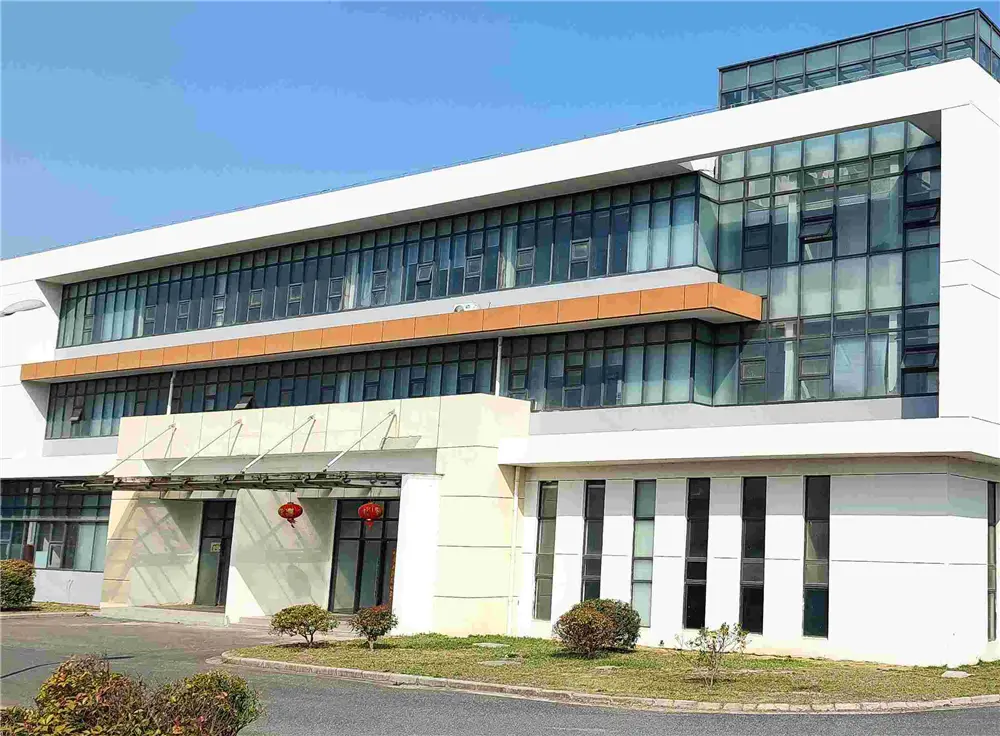
SUZHOU HIYIE CHEMICAL Co.,LTD has a product portfolio that covers consumer electronics, communication equipment, semiconductor industry, automotive hardware, craft gifts, and more. The company has collaborated with multiple domestic and foreign chemical companies and universities to establish a mobile R&D center dedicated to solving technical challenges in the industry. Since its establishment, the company has set up R&D institutions in Wuhan and Shanghai. Its marketing network covers the Pearl River Delta, Yangtze River Delta, and Bohai Rim regions.
Our products have been widely used and recognized by many well-known domestic and foreign companies such as Foxconn Technology Group, Qinghai Salt Lake Group, Chint Group, Hongbao Group, Stanley Group, Shifeng Group, and others, earning the company a good reputation and a wide market. By focusing on green chemistry and advanced formulations, we continue to empower our clients with sustainable surface finishing solutions.
Our structured approach to human resources, material research, and technical service sets us apart in the global chemical formulation sector.

The company introduces a large number of staff, sales, talents, and is responsible for customers.

The flexible R & D mechanism can satisfy the highest and specific requirements of customers.

The most updated technology with the philosophy of environmentally-friendly chemistry.

We have professional pre-sale, sale and after-sale team to provide you with high quality service.
Stay informed with the latest developments, holiday announcements, and corporate insights from Suzhou Hiyie Chemical.
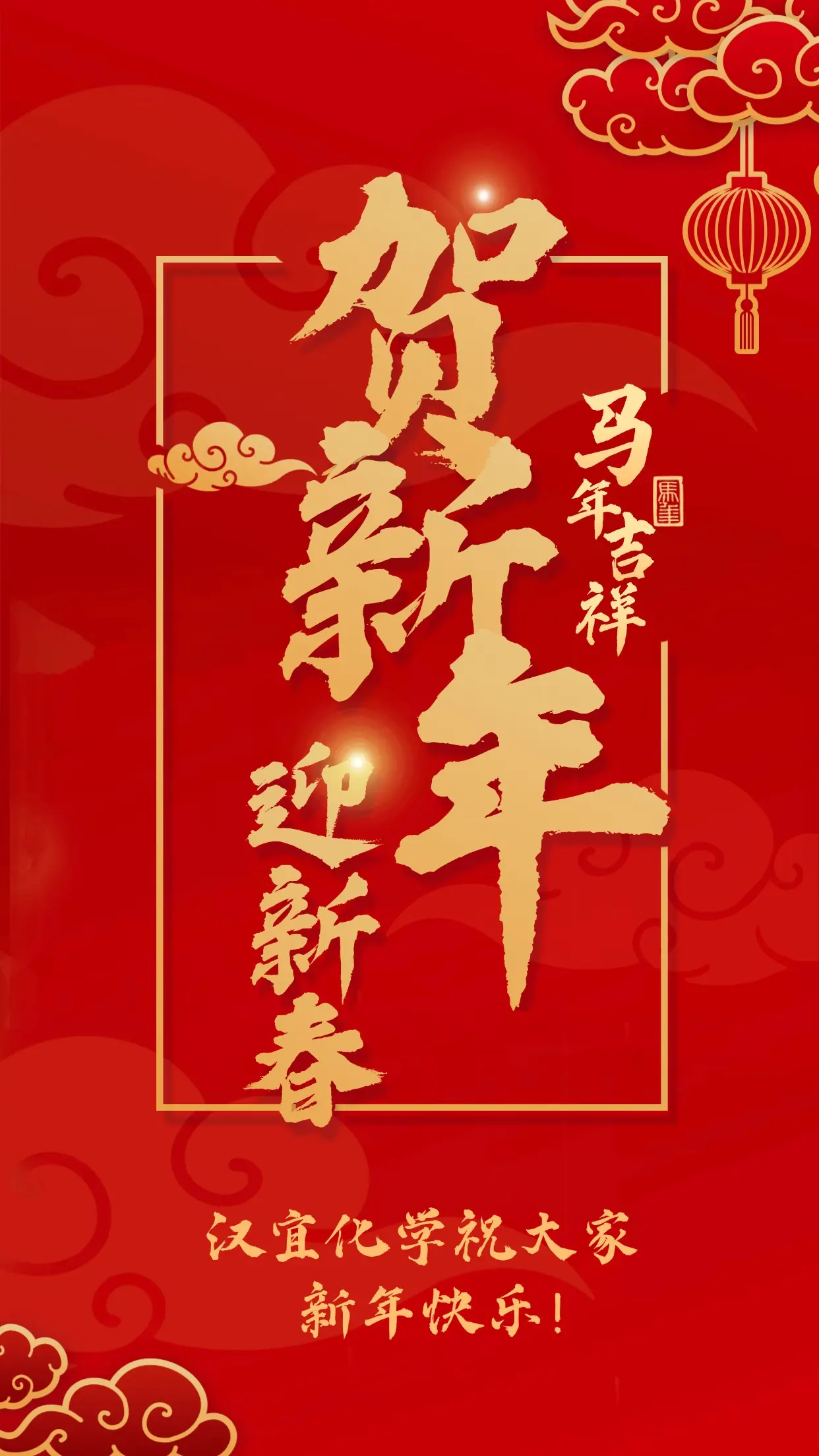
The Snake ushers in blessings as we bid the old year farewell; The Horse brings spring as we embark on a new journey. The New Year bell rings the prelude to progress. We thank all our international clients for their continued support in electroplating technology partnership.
Common technical inquiries regarding yellow zinc passivation, plating chemical specifications, and international compliance.
Our technical formulations support complex plating requirements, including high-speed acid copper, alkaline zinc-nickel, and semi-bright nickel plating.
 HIYIE
HIYIE