Select high-performance chemical blends designed for uniform plating thickness, extreme corrosion resistance, and stable bath kinetics.
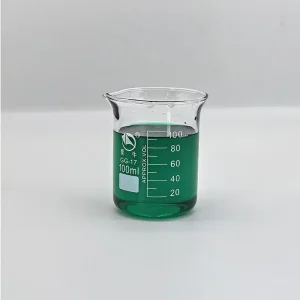
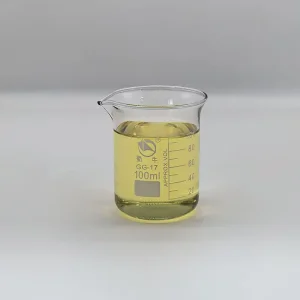
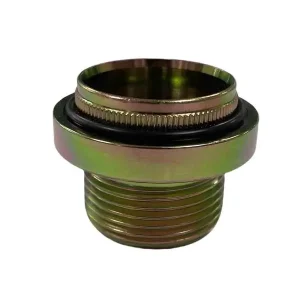
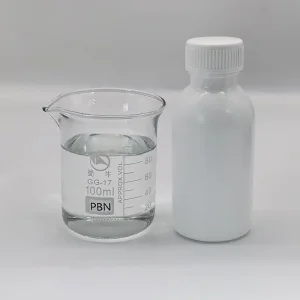
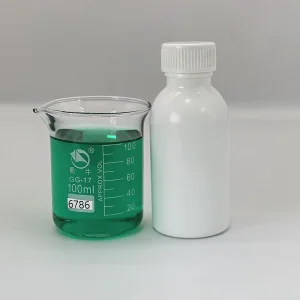
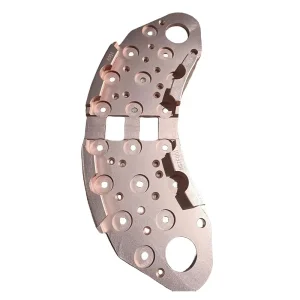
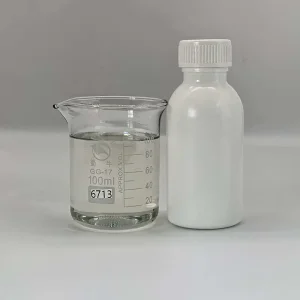
Zinc alloy electroplating is a sophisticated chemical process that coats metallic substrates, particularly zinc die castings (like Zamak 3 or Zamak 5), with protective layers. Unlike simple steel plating, zinc alloy substrates are susceptible to acid attacks, requiring specific alkaline or neutral chemical configurations. These solutions prevent premature corrosion, enhance surface hardiness, and improve visual aesthetics.
To achieve uniform coating on complex geometries, manufacturers use advanced complexing agents. These agents manage free metal ions within the bath, ensuring a controlled deposition rate. In automotive applications, trivalent zinc passivation films are used to meet safety and structural requirements. This process protects the zinc layer from oxidation while complying with RoHS regulations.
Zinc alloy die castings have inherent microscopic porosity. A high-efficiency plating process requires active surfactants and brightener carriers to seal these pores. This step prevents gas entrapment and subsequent blistering during thermal processing.
China's industrial ecosystem offers several structural advantages for global supply chains:
Modern electroplating chemistry supports several major industrial fields:
A comparative overview of electroplating additives and their functional properties.
| Process Type | Active Chemistry | Corrosion Resistance | Primary Benefit | Environmental Footprint |
|---|---|---|---|---|
| Alkaline Zinc-Nickel Plating | Nickel (12-15%) / Zinc Balance | Extremely High (>1000 hrs NSS) | High thermal tolerance, anti-galvanic properties | Eco-friendly, Cyanide-free formulation |
| Trivalent Passivation (216) | Cr3+ / Fluoride-Free Complex | High (240 - 480 hrs NSS) | Self-healing film, uniform iridescent finish | Complies with RoHS and REACH standards |
| Electroless Nickel (High Phos) | Nickel / Phosphorus (10-12%) | Very High (acid/alkali resistant) | Excellent wear protection, uniform coating | Lead and Cadmium-free option |
| Cyanide-Free Alkaline Zinc | Zinc / High-Stability Chelates | Moderate to High (with passivation) | Low environmental impact, uniform thickness | No toxic cyanide wastewater treatment required |
Integrating chemistry research with industrial application requirements.
Our research and development centers in Shanghai and Wuhan develop custom formulations to address specific plating challenges, including bath stability and coverage limitations.
Modern bath additives prevent chemical degradation over time, lowering replenishment rates and maintaining consistent plating quality across production cycles.
Our formulations match strict environmental standards (RoHS and REACH), reducing waste treatment complexity for plating workshops worldwide.
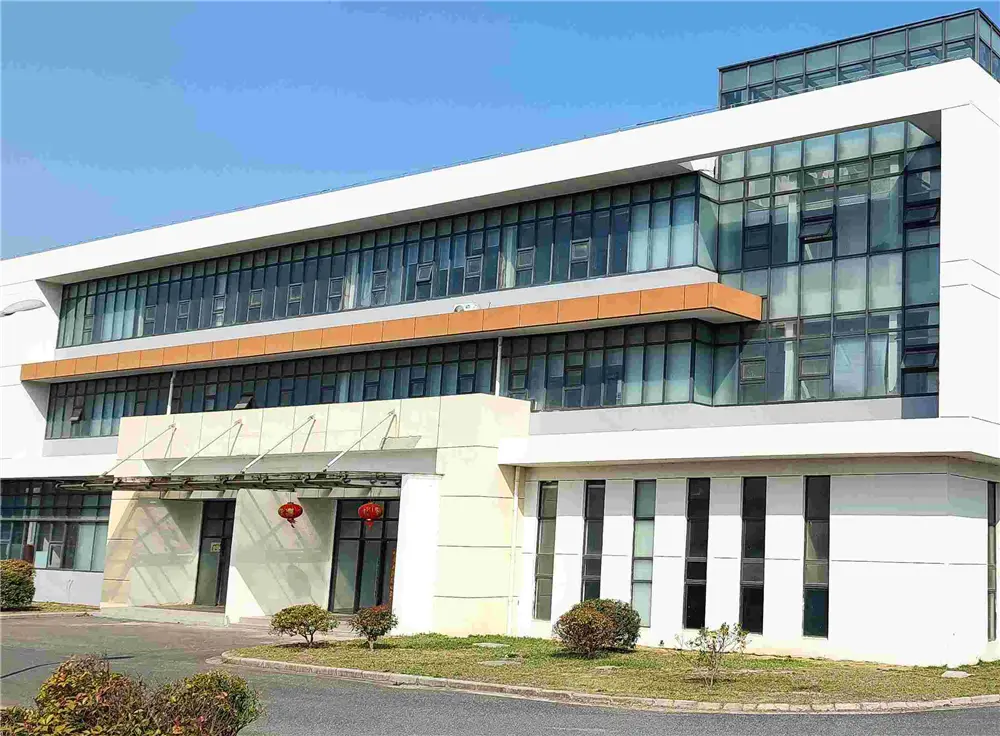
SUZHOU HIYIE CHEMICAL Co.,LTD develops advanced surface finishing chemistry for sectors including consumer electronics, communications, automotive hardware, and semiconductors. Working alongside domestic research institutes, we operate dedicated R&D centers in Wuhan and Shanghai focused on resolving complex surface coating challenges.
Our products are utilized by prominent manufacturers, including Foxconn Technology Group, Qinghai Salt Lake Group, Chint Group, and Stanley Group. We supply chemical packages that support high-throughput, stable surface plating operations.
Essential insights on zinc alloy electroplating chemistry and process management.
Cyanide-free systems improve safety conditions and simplify wastewater treatment by eliminating free cyanide. Advanced organic complexing agents maintain high coverage and adhesion equivalent to traditional cyanide baths.
Codepositing 12-15% nickel into the zinc layer forms a gamma phase alloy. When paired with trivalent passivation, this system provides barrier and sacrificial protection, preventing red rust for over 1000 hours in standard salt spray tests.
Blistering is typically caused by micro-porosity in the casting or excessive pickling acid trapping chemistry in pores. The use of specialized pre-treatment solutions and acid copper strike coatings helps prevent this issue.
High phosphorus (>10% P) is non-magnetic and highly corrosion-resistant. Mid phosphorus (6-9% P) balances wear resistance and bright appearance. Low phosphorus (<5% P) offers high surface hardness and alkaline resistance.
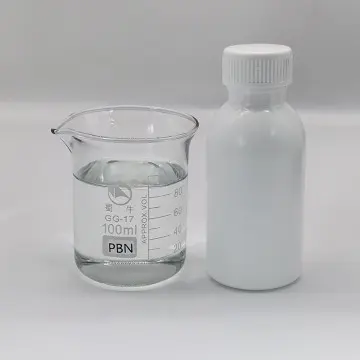
High-efficiency chemical additives designed to optimize cathode efficiency, brightness, and thickness uniformity.
Operational developments and industry updates from the Suzhou Hiyie team.

We have updated our chemical production schedules and logistics networks to ensure consistent supply of electroplating additives and passivation agents for global manufacturing operations.
 HIYIE
HIYIE