Leading-edge electroplating products engineered for critical industrial applications, including high-speed acid copper, trivalent zinc passivation, and phosphorus electroless nickel plating.
Whitepaper Analysis: Sourcing, chemistry shifts, and localized industrial implementations
The global surface finishing sector is undergoing a profound paradigm shift driven by strict environmental regulations, international quality standards (such as REACH and RoHS), and the demand for enhanced corrosion protection. Zinc electroplating, traditionally dependent on hazardous cyanide systems, has transitioned to alkaline cyanide-free and high-efficiency acid zinc formulations. These advanced systems require highly engineered organic additives—carriers, brighteners, and leveling agents—to achieve uniform deposit thickness, rapid brightening rates, and exceptional adhesion properties.
Modern industrial operations require zinc brightener additives that exhibit wide operating parameters, high thermal stability, and low codeposition rates of harmful organic breakdown products. Achieving these properties requires rigorous control over polymer synthesis, organic intermediate purification, and analytical verification.
Industrial procurement leads evaluate chemical additives based on total cost of ownership (TCO). This metric includes chemical consumption rates, bath maintenance intervals, and reject rates. Consistency is critical: variations in batch-to-batch polymer distribution can destabilize electroplating baths, leading to blistering, poor coverage in low-current density areas, and failure during neutral salt spray (NSS) testing.
Chinese chemical manufacturers have integrated automated synthesis processes, online chromatographic testing, and large-scale bulk raw material sourcing. Suzhou Hiyie Chemical Co., Ltd. utilizes automated reactors and analytical tools to ensure batch consistency. Operating inside compliant chemical zones ensures production continuity and reliable global shipping logistics.
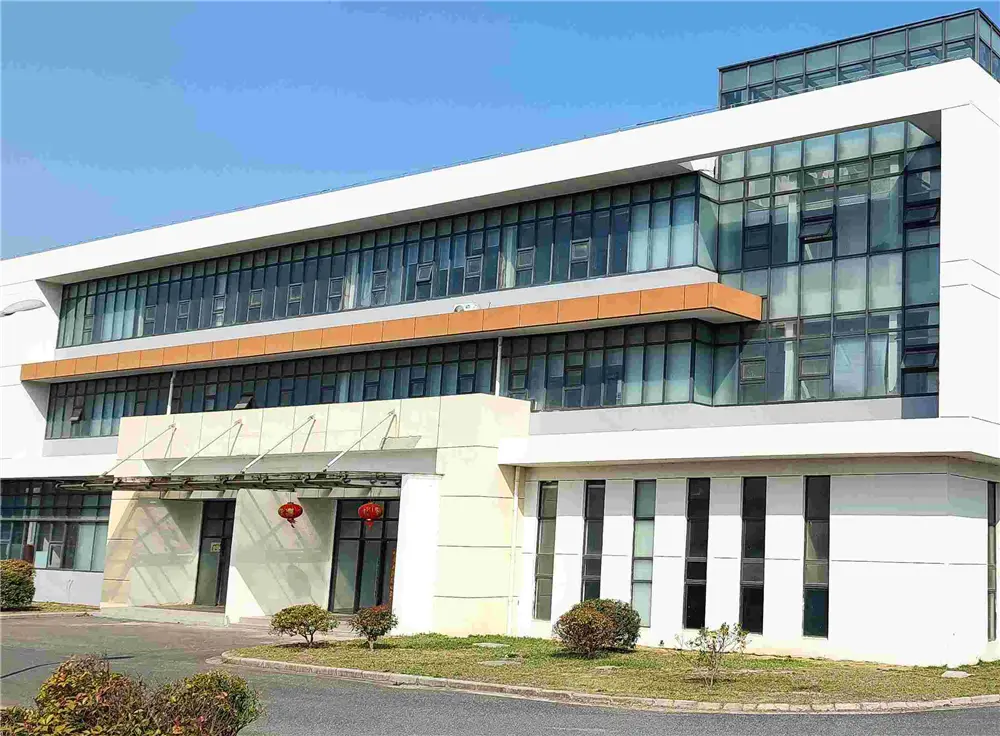
SUZHOU HIYIE CHEMICAL Co.,LTD is a professional manufacturer of organic products and advanced metal finishing chemistry. Our product portfolio spans solutions for consumer electronics, communication equipment, the semiconductor industry, automotive hardware, craft gifts, and precision tools.
By collaborating with domestic and foreign chemical companies, as well as leading engineering universities, we have established a mobile R&D center dedicated to solving industry technical challenges. Since our inception, we have set up dedicated R&D facilities in Wuhan and Shanghai, establishing a marketing network that covers the Pearl River Delta, Yangtze River Delta, and Bohai Rim regions.
Our formulations are utilized and qualified by prominent domestic and international enterprises, including Foxconn Technology Group, Qinghai Salt Lake Group, Chint Group, Hongbao Group, Stanley Group, and Shifeng Group, earning the company a reputation for quality and technical support.
Read More About HiyieAdvanced processes designed for specific industrial substrates and metal performance profiles
Sulfur-free formulation designed for high-ductility deposits and corrosion resistance in multi-layer nickel systems.
Formulated for fast brightness building and leveling in bulk barrel plating, providing high tolerance to impurities.
Produces a uniform, glare-free satin finish for high-end consumer electronics and automotive interior trims.
Committed to technical support, quality control, and customer success

We hire and train technical sales representatives and chemists dedicated to onsite bath troubleshooting and support.

Our flexible R&D model enables custom chemical modifications to satisfy specific customer performance requirements.

We deploy modern synthesis technologies with a focus on environmentally friendly surface treatment chemistry.

Our technical service teams offer pre-sale bath design, ongoing bath analysis, and responsive after-sales support.
Field-tested applications of zinc brightener and passivation technologies
Automotive standards require high corrosion resistance and controlled friction coefficients. Utilizing ZN-318 Blue Trivalent Zinc-Nickel Passivation over alkaline zinc-nickel alloy electroplates provides white rust protection exceeding 240 hours and red rust protection exceeding 1000 hours in neutral salt spray testing.
Electronic housings and interior components require thin coatings with uniform thickness. Our J0-1 Ultra-Low Phosphorus Electroless Nickel provides uniform coverage on complex geometries, serving as a reliable barrier undercoat prior to subsequent plating steps.
For heavy construction hardware, structural brackets, and agricultural equipment, acid zinc processes like 8315 Alkaline Cyanide-free Bright Zinc Plating coupled with high-performance trivalent passivations offer an economical finish with high brightness and robust weather resistance.
Expert advice on bath maintenance, troubleshooting common defects, and optimization protocols
Alkaline cyanide-free zinc brighteners provide excellent thickness distribution (throwing power), making them suitable for complex parts with deep recesses. They produce ductile deposits with low internal stress. Acid zinc brighteners, typically based on ammonium or potassium chloride, offer high current efficiency (95-98%) and rapid brightness building, which is ideal for simple geometries, cast iron parts, and wire plating.
Organic brighteners adsorb selectively onto high-current-density areas (such as micro-peaks on the substrate). This increases local polarization and forces zinc ions to deposit in recess areas (micro-valleys). This inhibition of preferred crystal growth orientations results in a microcrystalline, mirror-bright zinc deposit.
Blistering is typically caused by inadequate pre-treatment (residual oils, oxides), excessive organic brightener addition, or high internal stress. To prevent it, optimize the cleaning cycle, monitor the concentration of organics via Hull Cell testing, and perform regular carbon filtration treatments to remove organic breakdown products.
Hexavalent chromium [Cr(VI)] is a restricted carcinogen under RoHS and REACH regulations. Trivalent chromium [Cr(III)] formulations, such as our 216 High Corrosion-resistant Iridescent Trivalent Zinc Passivation, offer a safer alternative that meets modern environmental compliance standards while maintaining high corrosion resistance.
A Hull Cell test plates a panel under a controlled, variable current density gradient. Analyzing the panel allows operators to determine brightener concentration, detect metal contamination, identify burning at high current densities, and evaluate low-current-density coverage before making bath adjustments.
The carrier agent (typically a polyoxyethylene-based surfactant) solubilizes the primary brightener, refines the deposit grain structure, and improves the wetting properties of the bath. This helps prevent pitting and ensures uniform coverage.
Foreign metals like copper, lead, or iron can alter the alloy composition ratio (ideally 12-15% Ni) and lead to dark deposits, reduced corrosion resistance, or low-current-density skip plating. Regular low-current-density dummy plating (electrolysis) is required to remove these metallic impurities.
Stay informed about Suzhou Hiyie Chemical's seasonal updates and developments

The Snake ushers in blessings as we bid the old year farewell; The Horse brings spring as we embark on a new journey. The New Year bell rings the prelude to progress. We continue to optimize our supply chain and manufacturing capacities to support our global partners throughout the coming year.
Formulations designed to meet demanding industrial plating requirements
 HIYIE
HIYIE