Browse our high-performance electroplating formulations, electroless nickel chemistries, and zinc passivation layers engineered for harsh industrial environments.
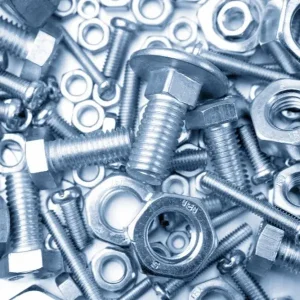
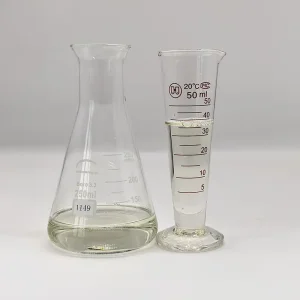
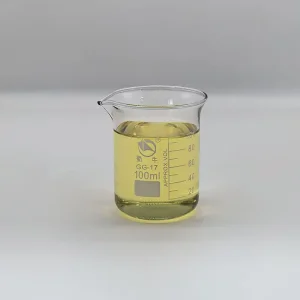
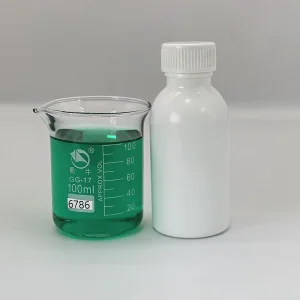
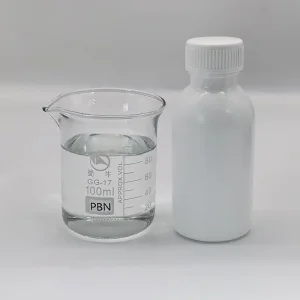
Zinc-coated metals stand as the foundational pillar of modern rust mitigation and rust protection engineering. In an era dominated by rapid urban development, marine engineering projects, solar mounting networks, and high-precision automotive builds, the rate of corrosion cost globally exceeds $2.5 trillion USD annually. Through the process of zinc coating, metallurgists and manufacturers leverage the electrochemistry of zinc—specifically its properties as a sacrificial anode—to shield raw steel substrate structures from oxidative degradation.
Globally, demand has transitioned from basic structural hot-dip galvanization toward specialized surface treatment processes. Engineers are increasingly requesting thin, highly uniform, alloyed barriers. These coatings, including Zinc-Nickel (Zn-Ni) electroplating and trivalent passivated finishes, deliver superior performance under rigorous test parameters, such as the ASTM B117 salt spray standard, while maintaining tight dimensional tolerances.
Zinc maintains a higher electronegativity than steel, meaning it will corrode preferentially. This galvanic action prevents rust formation at cut edges, drill holes, and areas damaged by handling.
Introducing nickel to the zinc matrix (typically 12-15% nickel content) shifts the thermal threshold and extends protection, preventing base metal degradation under temperatures exceeding 300°C.
By integrating chemical passivation coatings like trivalent blue passivation agents, zinc layers resist the early-stage formation of zinc oxide (white rust), preserving both cosmetic appearance and mechanical performance.
SUZHOU HIYIE CHEMICAL CO., LTD stands at the forefront of this industrial transition. Operating as an expert developer and manufacturer of advanced surface treatment formulations and functional organic chemicals, our reach covers critical supply sectors: consumer electronics, automotive assemblies, heavy communication hardware, and micro-component semiconductors.
We operate joint technology labs and coordinate research structures across Wuhan and Shanghai. This collaborative ecosystem enables us to resolve surface finish and plating challenges for industry leaders like Foxconn Technology Group, Qinghai Salt Lake Group, Chint Group, Hongbao Group, Stanley Group, and Shifeng Group.
Instead of offering generic chemical baths, Hiyie designs custom formulations. Our solutions, including cyanide-free bright zinc systems and high-phosphorus electroless nickel matrices, are tailored to the substrate metallurgy and process limitations of each client.
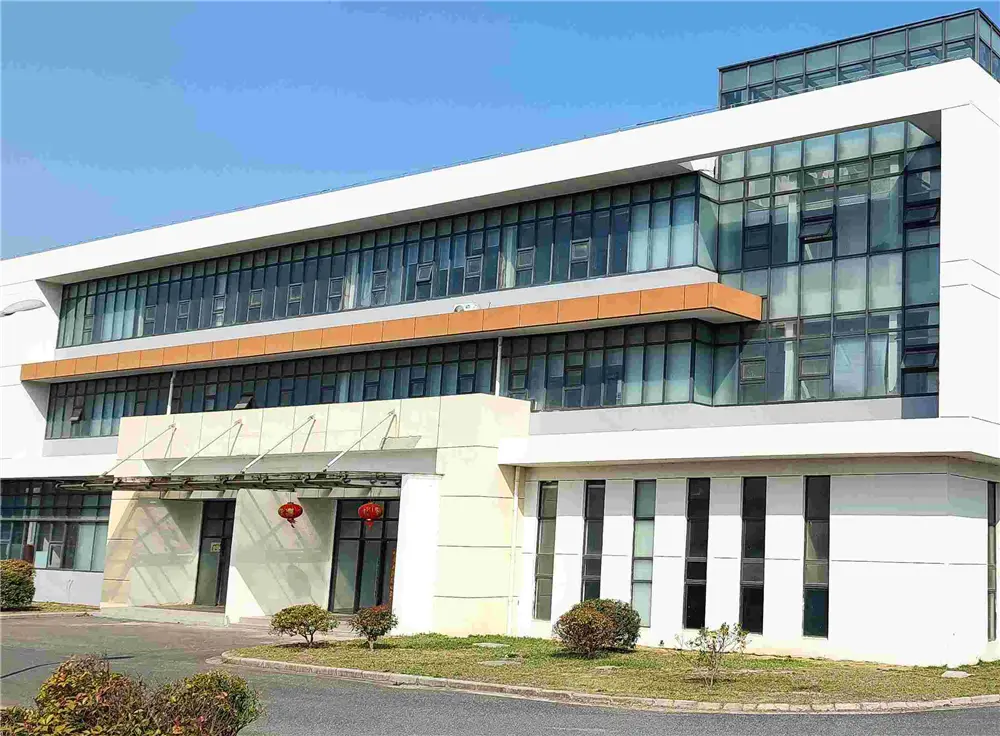
Understanding the operational and cost advantages of sourcing surface treatment technologies from specialized Chinese industrial hubs.
Procuring zinc-coated components or plating formulations from China involves navigating a mature industrial network. The Yangtze River Delta and Pearl River Delta hubs integrate chemical engineering laboratories, raw material processing facilities, and automated surface treatment plants in close geographical proximity. This concentration of resources minimizes logistical delays and optimizes supply chains.
This industrial integration enables rapid product development. At Suzhou Hiyie, we can transition a custom chemical formulation from lab design to industrial trial in a fraction of the time required by Western suppliers. Additionally, our automated production lines maintain consistent chemical quality, reducing batch-to-batch variability and minimizing defect rates in commercial plating lines.
Direct proximity to domestic precursor chemical suppliers enables continuous manufacturing runs, reducing exposure to global supply chain shocks.
Our R&D structures in Wuhan and Shanghai quickly adapt chemical balances (e.g., stabilizers, brightener carriers) to match specific substrate characteristics.
Our formulations comply with international environmental standards, including RoHS, REACH, and PFAS-free rules, ensuring seamless integration into global supply chains.
Zinc coatings must be engineered to perform under the specific stressors of each application environment. A structural solar bracket exposed to marine air requires different corrosion resistance than an internal mobile device component requiring electrical conductivity.
Automotive assemblies require resistance to heat, road salts, and mechanical stress. Our Alkaline Zinc-Nickel Plating technologies provide an alloy coating that prevents galvanic corrosion when in contact with aluminum structures.
Outdoor communication arrays require long-term corrosion resistance to prevent premature component failure. Our trivalent passivation coatings preserve structural integrity and maintain surface conductivity, preventing signal degradation.
Consumer electronics require high-precision plating solutions. Our Mid/High Phosphorus Electroless Nickel formulations provide thin, uniform barrier layers on complex geometries, ensuring reliable performance in modern hardware assemblies.
Global regulatory shifts are driving changes in the industrial surface treatment sector. The transition away from hexavalent chromium (Cr6+) to trivalent chromium (Cr3+) chemistry is well established. The current focus is on eliminating cyanide compounds from plating lines and reducing the carbon footprint of chemical processing.
Suzhou Hiyie has adapted to these changes by developing Alkaline Cyanide-Free Zinc Plating systems. These formulations eliminate cyanide hazards from the factory floor, simplifying wastewater treatment while maintaining coating uniformity, brightness, and ductility.
We are also developing low-temperature electroless nickel systems. These formulations reduce the thermal energy required for metal deposition, helping manufacturers lower their utility consumption and reduce the overall carbon footprint of their plating operations.
Select from our range of passivation chemistries, cyanide-free metal salts, and electroless nickel systems engineered for modern industrial plating lines.
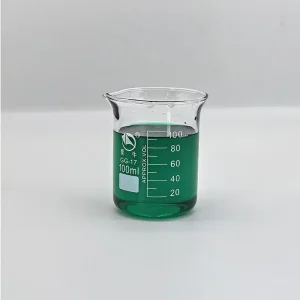
Addressing key technical, compliance, and logistical inquiries from global procurement managers and process engineers.
Zinc-Nickel alloy coatings (typically containing 12-15% nickel) provide significantly higher corrosion resistance than pure zinc. Under ASTM B117 salt spray testing, a standard zinc-nickel coating can withstand over 1000 hours before the appearance of red rust, compared to approximately 100-200 hours for pure zinc. This alloy also offers better thermal stability and reduces the risk of galvanic corrosion when paired with aluminum components in automotive applications.
Our chemical products are formulated to meet international environmental regulations, including RoHS, REACH, and SVHC requirements. We focus on developing trivalent chromium passivates to replace hexavalent systems and offer cyanide-free alkaline plating alternatives to minimize environmental impact and simplify wastewater treatment for our clients.
The phosphorus content in electroless nickel coatings determines their physical and chemical properties. Low phosphorus (1-4% P) offers high as-plated hardness and good wear resistance in alkaline environments. Mid phosphorus (6-9% P) provides a balance of brightness, hardness, and corrosion resistance. High phosphorus (10-14% P) delivers excellent corrosion resistance in acidic environments and is non-magnetic, making it suitable for electrical connectors and chemical processing equipment.
Standard formulation shipments typically ship within 14 to 21 days from order confirmation. For custom chemical formulations requiring specialized synthesis, our joint R&D laboratories in Shanghai and Wuhan develop and test formulations within 30 to 45 days, followed by trial runs. We manage export documentation, hazard classification declarations, and coordinate shipping via Shanghai or Ningbo ports to ensure reliable delivery to global industrial centers.
 HIYIE
HIYIE