Providing custom chemical systems, advanced zinc-nickel passivation processes, and industry-leading technical parameters that outperform standard global requirements.
Explore our premium grade chemical concentrates and passivation additives designed to achieve maximum thickness uniformity and extreme corrosion resistance.
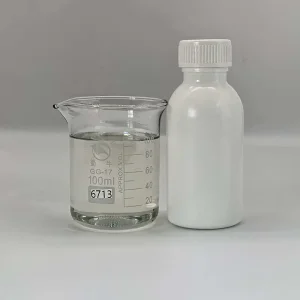
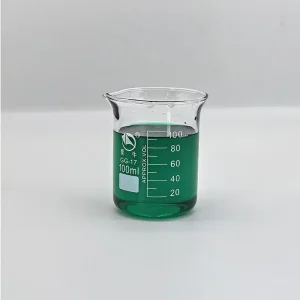
In the global manufacturing arena, metal components face harsh mechanical, chemical, and atmospheric environments. The demands placed on electroplated coatings have changed. Modern systems must balance performance, environmental compliance, and cost-efficiency. This has led to the adoption of advanced zinc and zinc alloy finishes as standard solutions.
Historically, standard acid zinc electroplating was used for simple atmospheric corrosion protection. However, the rise of the automotive, electronics, and energy industries created a need for thinner coatings that could withstand more severe conditions. Specifically, components exposed to high-heat environments and cyclic weather patterns needed improved protection.
This shift led to the development of Alkaline Zinc-Nickel (Zn-Ni) plating. This co-deposited alloy, typically containing 12% to 15% nickel, provides barrier and sacrificial cathodic protection that is up to ten times more effective than conventional zinc. In parallel, environmental regulations have led to the replacement of hexavalent chromium (Cr6+) with trivalent chromium (Cr3+) passivates. These newer passivates are often modified with nanoparticle silica to maintain corrosion resistance without the associated environmental hazards.
Zinc-Nickel alloy coatings function through sacrificial protection. The addition of nickel changes the electrochemical behavior of the deposit. Pure zinc has a highly active potential (approx. -0.76V vs. SHE), meaning it corrodes quickly when exposed to corrosive media. By co-depositing 12% to 15% nickel, the corrosion potential shifts to a slightly more noble value (approx. -0.5V to -0.6V vs. SHE).
This shift reduces the rate of zinc dissolution while keeping the coating anodic relative to the steel substrate (approx. -0.4V vs. SHE). The resulting corrosion product is a compact, highly adherent basic zinc chloride layer rather than loose white rust. This barrier slows down further oxygen diffusion to the steel boundary, preventing premature red rust.
| Finishing Chemistries | Standard Deposition Thickness | Salt Spray (ASTM B117) to White Rust | Salt Spray (ASTM B117) to Red Rust | Primary Application Areas | Key Environmental Standards |
|---|---|---|---|---|---|
| Alkaline Zinc-Nickel Plating (e.g., Hiyie 6185) | 8 – 15 µm | 240+ Hours | 1000+ Hours | Automotive under-hood parts, marine brackets, wind energy fasteners | RoHS & REACH Compliant, Cr6+-free |
| Cyanide-Free Bright Zinc Plating (e.g., Hiyie 8315) | 5 – 12 µm | 72 - 120 Hours (with passivation) | 240 - 480 Hours | Consumer goods, light-duty brackets, hardware, electronics housings | RoHS Compliant, biodegradable surfactants |
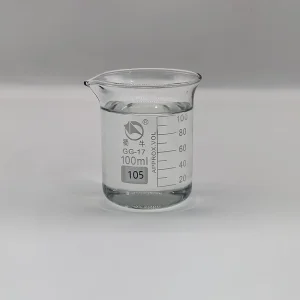
| Trivalent Blue Passivation (e.g., Hiyie ZN-318) | N/A (Film < 1 µm) | 120+ Hours (on Zn-Ni) | N/A (Topcoat Layer) | Secondary lock plates, clips, small assembly structural screws | RoHS 3.0, ELV Directive compliant |
| Electroless Nickel (High Phos) (e.g., EN 6786) | 10 – 25 µm | N/A (No White Rust) | 800+ Hours (direct on steel) | Chemical processing equipment, fuel injection nozzles, oilfield valves | Heavy metal free stabilizer package |
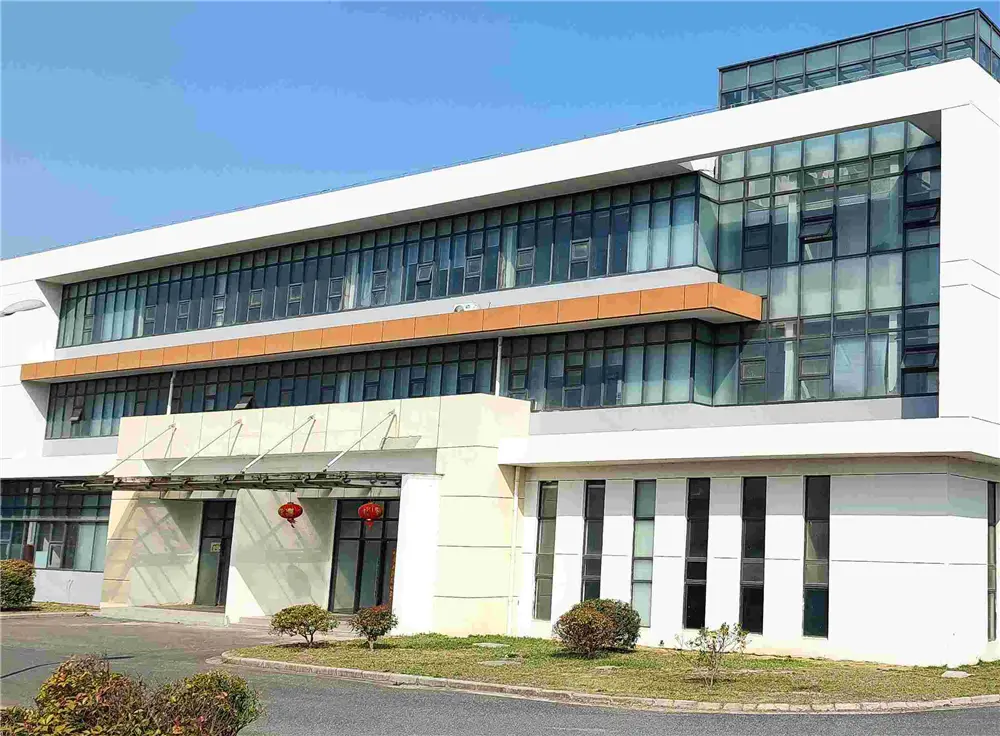
SUZHOU HIYIE CHEMICAL Co.,LTD. develops and manufactures specialty chemical systems for organic surface treatment, functional electroplating, and metal finishing. Our product portfolio supports consumer electronics, telecommunications, semiconductor tooling, automotive hardware, and industrial fasteners.
We maintain a flexible R&D model, partnering with domestic chemical research institutes and universities to address evolving industry requirements. With dedicated development centers in Shanghai and Wuhan, and production coordination in Suzhou, we serve key manufacturing hubs in the Yangtze River Delta, Pearl River Delta, and the Bohai Rim.
Our formulations are engineered to meet the technical standards of global manufacturing companies, including Foxconn Technology Group, Qinghai Salt Lake Group, Chint Group, Hongbao Group, Stanley Group, and Shifeng Group.
View Complete CatalogWhy Tier-1 automotive integrators and global aerospace component designers select Suzhou Hiyie as their chemical technology partner.
We operate laboratories in Wuhan and Shanghai focused on development, testing, and troubleshooting. This infrastructure allows us to adapt chemical bath formulations to match specific plating lines, current density limits, and substrate variations.
Our solutions focus on environmental responsibility. Our zinc-nickel passivates and brighteners are formulated to meet EU RoHS 3, REACH, and ELV directives. We emphasize cobalt-free and cyanide-free chemistry to support sustainable waste treatment operations.
We provide technical assistance from initial audit through scale-up. Our field engineers support bath setup, analysis, Hull cell testing, and line adjustments to help customers minimize down-time and maintain consistent plating quality.
China's metal finishing sector has evolved from a high-volume base into a highly specialized, technically advanced manufacturing ecosystem. The Yangtze River Delta (YRD)—encompassing Suzhou, Shanghai, and neighboring industrial zones—is home to a dense cluster of automotive supply chains, electronics manufacturers, and chemical producers.
This concentration provides key advantages for global supply chains:
At Suzhou Hiyie, we leverage this infrastructure to maintain consistent, batch-to-batch chemical properties. This helps ensure our clients receive reliable products that meet international technical standards.
Selecting the appropriate surface finish requires evaluating performance characteristics against mechanical constraints. Zinc-Nickel alloy plating is often selected over other coatings for critical applications due to its specific performance profile.
Corrosion Performance under Thermal Stress: Traditional zinc passivations can degrade at temperatures above 80°C, causing microscopic cracking that exposes the base metal. In contrast, Zinc-Nickel alloy coatings remain stable at continuous operating temperatures up to 200°C. This makes them suitable for under-hood automotive applications where high engine temperatures are common.
Galvanic Compatibility: Coupling steel components with lightweight aluminum structures can trigger galvanic corrosion. Zinc-Nickel coatings reduce the potential difference between the steel fastner and the aluminum frame, mitigating this corrosion risk and protecting the assembly.
Hydrogen Embrittlement Risks: High-strength steel fasteners (tensile strength ≥ 1000 MPa) are susceptible to hydrogen embrittlement during acid cleaning and electroplating. Our alkaline zinc-nickel chemical systems (such as the 6185 series) are formulated with low hydrogen absorption characteristics. When combined with post-plating baking cycles, they help reduce the risk of structural failure in critical load-bearing assemblies.
A single chemical formulation cannot meet every functional requirement. Surface finishes must be optimized for specific end-use environments:
Automotive Under-the-Chassis Parts: Exposure to road salts and gravel requires high abrasion resistance and sacrificial protection. Thick-film trivalent passivates (such as the 216 series), combined with a high-nickel alkaline deposit, help maintain long-term corrosion resistance for brake calipers, steering columns, and suspension arms.
Precision Fastener Threads: Thin, uniform coatings are required on threaded fasteners to prevent assembly binding while providing sufficient corrosion protection. In these applications, the coefficient of friction (CoF) must be controlled within tight limits (typically 0.08 to 0.14) by applying specialized sealants or topcoats containing integrated lubricants over the trivalent passivation film.
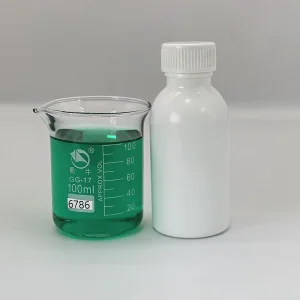
Semiconductor Tooling & Electronics: These components require finishes that minimize particle shedding and outgassing under vacuum conditions. For these applications, high-phosphorus electroless nickel coatings (such as HITEC EN 6786) are used. They provide an amorphous, non-magnetic barrier with high chemical resistance to process gases and cleaning agents.
Select specialized additives, brighteners, and electroless nickel systems engineered for high-precision industrial applications.
The surface finishing industry is adopting new technologies to improve efficiency and reduce environmental impact:
This technical Q&A addresses common design and procurement questions encountered by sourcing managers and surface engineers.
Zinc-Nickel coatings containing 12% to 15% nickel provide superior corrosion resistance compared to pure zinc. They withstand higher operating temperatures (up to 200°C) without losing adhesion, resist galvanic corrosion when paired with aluminum components, and offer a harder, more wear-resistant surface.
Trivalent passivates (Cr3+) are formulated without hexavalent chromium (Cr6+), which is restricted under directives such as RoHS 3, REACH, and ELV. These newer chemical packages utilize alternative stabilizers and nanoparticle additives to achieve corrosion resistance comparable to traditional hexavalent systems.
Alkaline plating baths, such as our 6185 series, limit hydrogen absorption by maintaining high cathodic current efficiency. For high-tensile components (over 1000 MPa), a post-plating de-embrittlement baking cycle (typically 200°C–220°C for 4 to 24 hours) is performed within 4 hours of electroplating to drive out trapped hydrogen before passivation.
Alkaline systems provide superior metal distribution, producing a more uniform deposit thickness across complex geometries and threads. Acid zinc systems offer faster plating rates and higher brightness but can result in uneven thickness on detailed parts and present a higher risk of hydrogen absorption.
 HIYIE
HIYIE