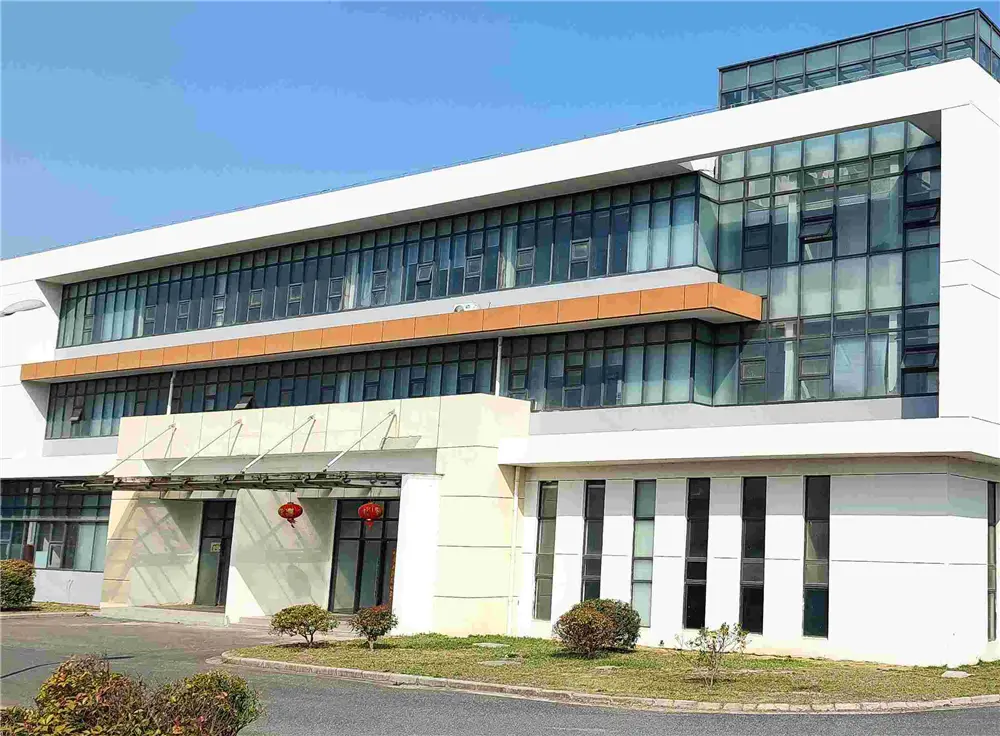
Direct access to Suzhou Hiyie Chemical's primary surface finishing systems. Formulated for high efficiency, uniform deposit thickness, and compliance with stringent environmental standards.
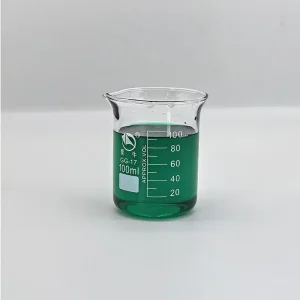
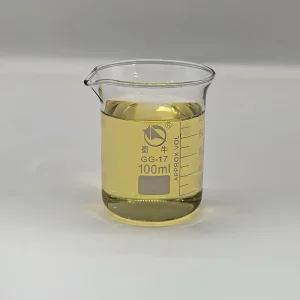
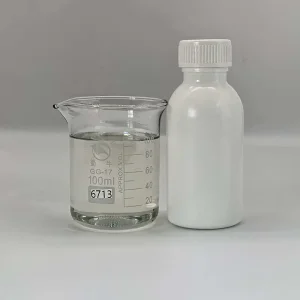
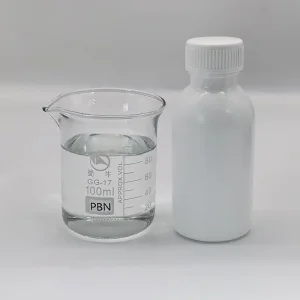
In modern corrosion science, the demand for superior sacrificial protection on ferrous substrates has driven electroplating technology far beyond conventional pure zinc deposits. Over the past decade, Zinc-Iron (Zn-Fe) and Zinc-Nickel (Zn-Ni) alloy electroplating systems have emerged as the gold standards for industries requiring exceptional resistance to thermal stress, mechanical friction, and cyclic atmospheric exposure.
By co-depositing a small percentage of iron (typically 0.3% to 0.8% Fe in Zn-Fe systems) or nickel (12% to 15% Ni in Zn-Ni systems), the resulting alloy coating alters the electrochemistry of the protective layer. The inclusion of iron optimizes the passivation responsiveness, creating a highly stable interface for subsequent trivalent chrome conversions. This synergistic system provides up to five times the corrosion resistance of traditional zinc plating of equal thickness.
The transition toward zinc alloy systems is governed by three primary industrial imperatives:
Dual-action chemical barrier preventing oxidation. The iron alloy phase creates a uniform crystalline barrier that drastically retards the rate of zinc consumption in salt-laden atmospheres.
Cyanide-free alkaline chemistries guarantee superb thickness distribution and throwing power inside deep recesses, internal threads, and complex geometries.
Perfect compatibility with iridescent and blue trivalent passivates. Formulated to eliminate toxic hexavalent chromate while maximizing cosmetic and operational life.
Understanding what tier-1 automotive, electronics, and heavy industry buyers prioritize when evaluating Chinese zinc-iron and zinc-nickel manufacturers.
For international supply chain managers and chemical procurement directors, sourcing zinc alloy plating agents and raw chemicals from China requires balancing initial chemical costs against operational reliability. When dealing with high-volume automotive parts, electronics components, and industrial fasteners, consistent chemical batches are critical to preventing line stoppages.
Common global industrial specifications met by our electroplating additives and chemical formulations:
| Industry Spec | Plating Type | Standard Requirement |
|---|---|---|
| ASTM B841 | Zinc-Nickel Alloy | 12-15% Ni co-deposit, >1000 hrs NSS |
| ASTM B839 | Zinc-Iron Alloy | 0.3-0.8% Fe, hydrogen embrittlement test |
| ISO 19598 | Zn & Zn-alloy | Automotive standards for fasteners & fittings |
| DIN EN 12329 | Zinc Plating | Corrosion protection with trivalent passivation |
How Suzhou Hiyie Chemical integrates modern automation, digital logistics, and collaborative R&D to deliver high-integrity chemical systems globally.
By operating dedicated research centers in Wuhan and Shanghai, we run real-time testing and performance simulations on consumer electronics, semiconductor tooling, and automotive hardware. This structure enables rapid turnaround for customized customer requirements.
Our production methods focus on green chemistry. We specialize in producing cyanide-free alkaline zinc additives and highly stable trivalent passivating agents, helping our international clients meet local environmental directives.
Located in Suzhou, near key industrial clusters in the Yangtze River Delta, we utilize robust transportation routes to ensure reliable global logistics. This proximity guarantees prompt chemical deliveries to global shipping ports.
Choose the right coating system based on your operating environment, substrate material, and performance requirements.
| Plating Category | Primary Alloys / Chemistry | Corrosion Resistance (NSS) | Key Operational Advantages | Typical Applications |
|---|---|---|---|---|
| Alkaline Zinc-Nickel | 12% - 15% Nickel (Ni) | > 1000 Hours (No Red Rust) | Excellent heat resistance, high mechanical wear defense, low galvanic action with aluminum. | Automotive under-hood, aerospace fasteners, marine hardware. |
| Alkaline Zinc-Iron | 0.3% - 0.8% Iron (Fe) | 400 - 600 Hours (No Red Rust) | Superior ductility, uniform thickness, excellent coverage for complex geometries, cost-effective. | Hydraulic components, automotive chassis parts, bracketry. |
| Electroless Nickel | High/Mid/Low Phosphorus (P) | Up to 1000 Hours (High Phos) | Completely uniform coating regardless of geometry, high hardness, excellent wear resistance. | Semiconductor tooling, valves, chemical processing equipment. |
| Cyanide-Free Zinc | Pure Zinc (Zn) System | 120 - 240 Hours (Passivated) | Environmentally clean, bright finish, excellent base for decorative coloring. | Consumer electronics, electrical brackets, standard hardware. |
Established as a pioneering developer of advanced organic additives and surface treatment systems, SUZHOU HIYIE CHEMICAL Co.,LTD serves demanding sectors including consumer electronics, communications equipment, semiconductors, automotive hardware, and structural steel components.
By building joint R&D partnerships with prominent domestic and foreign chemical institutions, we have developed high-performance surface finishing formulas. We maintain research facilities in Wuhan and Shanghai to keep our products at the forefront of chemical innovation. Our sales and service networks cover China's major industrial manufacturing zones, including the Pearl River Delta, Yangtze River Delta, and the Bohai Rim region.
Today, our product range is trusted by international manufacturers and key industry players, including Foxconn Technology Group, Qinghai Salt Lake Group, Chint Group, Hongbao Group, Stanley Group, and Shifeng Group.
Detailed technical answers to common questions asked by engineers, procurement specialists, and quality control professionals.
Zinc-Iron alloy electroplating incorporates 0.3% to 0.8% iron by weight into the zinc deposit. This micro-alloying improves the metal structure, allowing for thin, uniform coatings that provide significantly higher corrosion resistance than pure zinc. In neutral salt spray (NSS) tests, passivated zinc-iron coatings can withstand 400 to 600 hours without red rust, compared to less than 150 hours for standard zinc. It also offers a receptive base for trivalent chromium passivation, resulting in a robust, scratch-resistant surface finish.
Acid plating baths provide fast deposition rates and a bright finish but suffer from poor thickness distribution on complex shapes. In contrast, alkaline cyanide-free plating baths offer excellent throwing power. This ensures uniform thickness even inside deep recesses, internal threads, and blind holes. For structural components and critical fasteners, alkaline systems are preferred to ensure consistent, predictable performance across the entire part.
All our electroplating chemical lines, including the 8315 Alkaline Cyanide-free Bright Zinc Plating and the 216 Trivalent Zinc Passivation series, are formulated without restricted hazardous substances. We avoid hexavalent chromium (Cr6+), cyanide, lead, and cadmium in our processes. We monitor our raw materials and test finished batches to ensure all components comply with international RoHS and REACH regulations, allowing for seamless integration into global supply chains.
Yes. Modern trivalent passivates, when paired with high-performance zinc-iron or zinc-nickel alloys and an appropriate silicate sealer, can exceed the performance of traditional hexavalent chromates. Our 216 High Corrosion-resistant Iridescent Trivalent Passivation uses nano-particle technology to form a self-healing film, protecting parts even after exposure to mechanical handling or thermal shock.
Hydrogen embrittlement is managed through bath chemistry and post-plate baking. Our high-efficiency alkaline zinc-nickel and zinc-iron additives are designed to minimize hydrogen generation at the cathode. For high-tensile fasteners (typically Class 10.9 or higher), we recommend baking the parts at 200°C–220°C within 4 hours of plating to release any absorbed hydrogen before applying the final passivate or topcoat.
Stay informed with updates from our development teams, chemical advancements, and seasonal company announcements.
As we enter this new season of growth and innovation, Suzhou Hiyie Chemical continues to expand its production lines and R&D projects. We remain dedicated to helping our global partners solve challenging surface finishing demands with efficient, high-performance chemistry.
Explore our full line of functional plating additives, passive conversion coatings, and auxiliary copper, nickel, and chrome agents.
 HIYIE
HIYIE