High-performance surface chemistry solutions engineered to meet rigorous aerospace, automotive, and heavy industry specifications.
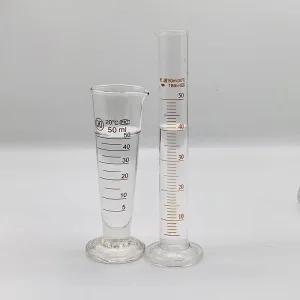
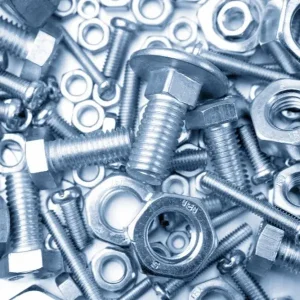
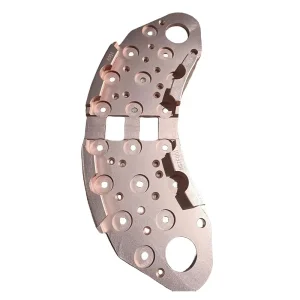
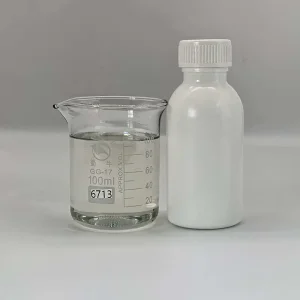
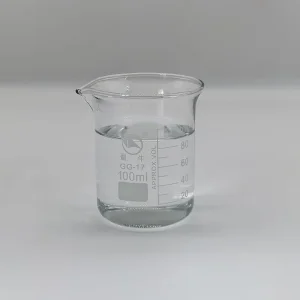
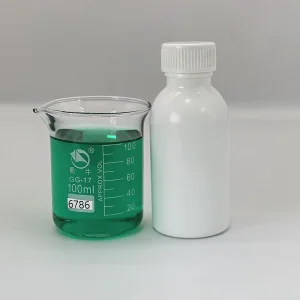
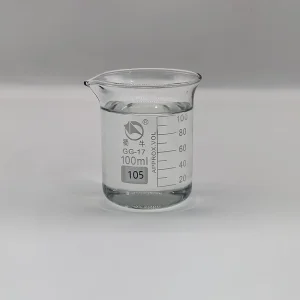
In modern anti-corrosion engineering, traditional pure zinc plating has reached its physical limits. The demanding environments of the automotive, aerospace, wind energy, and marine industries require coatings capable of surviving thousands of hours of salt spray exposure without experiencing red rust. This necessity has driven the adoption of Zinc-Nickel (Zn-Ni) alloy electroplating, widely regarded as the ultimate replacement for toxic cadmium coatings and underperforming pure zinc deposits.
The metallurgical advantage of Zinc-Nickel lies in the electrodeposition of a specific gamma-phase ($\gamma$-phase, $Ni_5Zn_{21}$ or $Ni_2Zn_{11}$) crystal structure. Achieving a precise nickel content ratio between 12% and 16% optimizes the thermodynamic and mechanical characteristics of the barrier layer. Within this critical range, the deposit yields outstanding performance:
Global manufacturing giants have established rigorous qualification parameters for surface finishing. Tier 1 automotive suppliers and heavy machinery builders require electroplating processes that comply with strict specifications such as VW TL 244, BMW GS 90010, Ford WSS-M21P44, and ASTM B117 salt spray protocols.
China, as a dominant chemical production hub, has evolved from a mass-producer of basic commodities to a leading supplier of high-tech chemical formulations. Procurement officers and supply chain directors now focus on sourcing chemical intermediates and plating additives that guarantee uniform alloy distribution across complex geometries—preventing high-current density "burning" while maintaining adequate thickness in low-current density recesses.
SUZHOU HIYIE CHEMICAL Co., LTD is a premier, specialized developer and manufacturer of advanced surface finishing processes and organic chemical formulations. Our products support high-reliability applications in consumer electronics, telecommunications, semiconductor fabrication, automotive hardware, and structural elements.
We operate joint mobile R&D laboratories alongside universities and industry research institutions, maintaining permanent research centers in Wuhan and Shanghai. Our technical support network reaches the Pearl River Delta, Yangtze River Delta, and Bohai Rim, providing responsive field service.
Our systems are specified and approved by major global manufacturers, including Foxconn Technology Group, Qinghai Salt Lake Group, Chint Group, Hongbao Group, Stanley Group, and Shifeng Group, ensuring reliable performance in harsh environments.
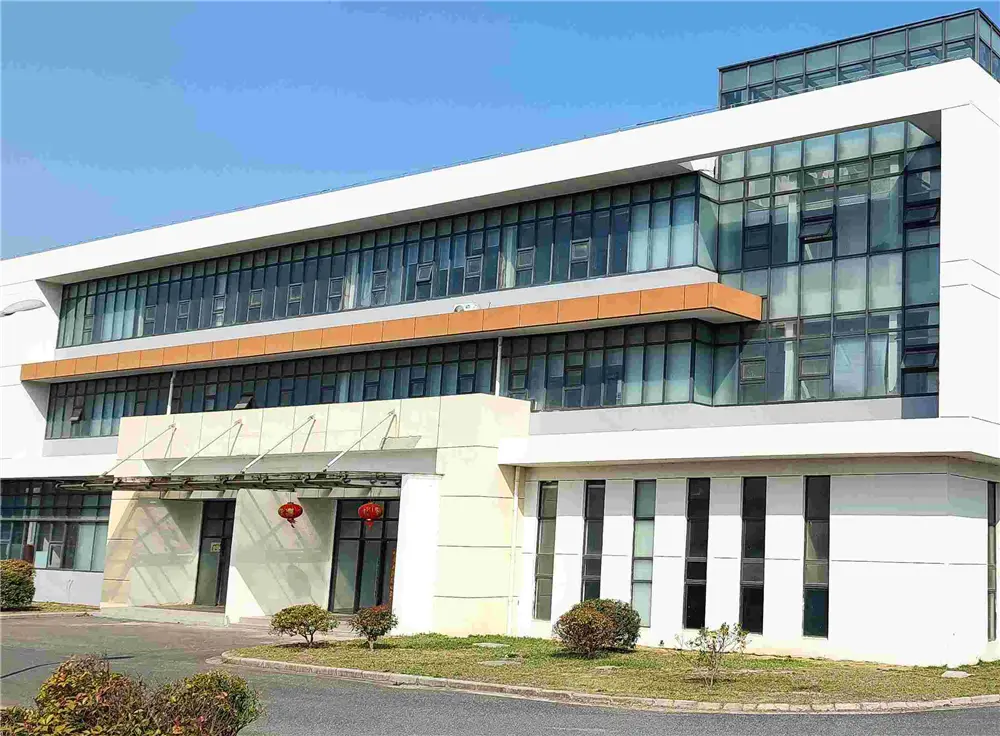
Our structured approach to chemicals, surface design, and field engineering ensures high performance across critical applications.
We recruit chemical engineers and field technicians to support clients in line design, process control, and troubleshooting.
Our modular R&D structures adapt quickly to customize additives, carrier formulations, and alloy proportions to meet client needs.
We focus on clean chemical processes, developing trivalent passivation systems and cyanide-free electroplating lines.
We provide ongoing bath analysis, wet chemistry validation, and physical performance testing to help clients sustain product yield.
Selecting the appropriate electrolyte chemistry determines coating distribution and line throughput. Industry operations use two main chemistries, each with distinct trade-offs:
| Parameter | Alkaline Zinc-Nickel (e.g., 6185 System) | Acid Zinc-Nickel |
|---|---|---|
| Alloy Distribution | Highly uniform (12-15% Ni across complex profiles) | Higher nickel variation between low and high current density zones |
| Throwing Power | Excellent; ideal for complex geometries and internal recesses | Moderate; higher deposition rate but less uniform thickness |
| Cathodic Efficiency | 45% - 60% (Requires control to prevent hydrogen evolution) | 85% - 95% (Higher throughput and plating speed) |
| Hydrogen Embrittlement | Low risk (with appropriate post-bake procedures) | Extremely low risk (high efficiency minimizes atomic H generation) |
| Substrate Compatibility | Mild steel, high-strength carbon steels | Cast iron, heat-treated fasteners, and tempered components |
Alkaline formulations, such as the 6185 Alkaline Zinc-Nickel Plating chemistry, utilize specialized organic complexing agents. These ligands prevent uncontrolled precipitation of nickel ions, allowing co-deposition with zinc in a uniform ratio across complex geometries.
The performance of electroplated zinc-nickel alloy relies on the post-treatment chemistry. Without a passivation layer, the zinc-nickel deposit behaves as a sacrificial anode, corroding to form white rust. High-performance post-treatments like ZN-318 Blue Trivalent Zinc-Nickel Passivation deposit an engineered chromium(III)-rich oxide barrier film.
This passivation layer functions through dynamic corrosion protection:
Our ongoing development of cleaner surface-finishing technologies helps meet emerging environmental regulations.
Environmental regulations like REACH, RoHS, and ELV directives continue to restrict toxic substances in manufacturing. The surface finishing industry has transitioned away from hexavalent chromium ($Cr^{6+}$) and cyanide-based processes.
Suzhou Hiyie Chemical supports this transition by developing cyanide-free plating formulations, including 372 Alkaline Cyanide-Free Copper Plating and 8315 Alkaline Cyanide-Free Bright Zinc Plating. These processes eliminate the safety risks and wastewater treatment costs associated with cyanide baths while delivering comparable bright deposits and adhesion.
Answers to common engineering questions regarding the application, operation, and maintenance of zinc-nickel baths.
Our complete line of electroplating products, additives, and passivations for global metal finishers.
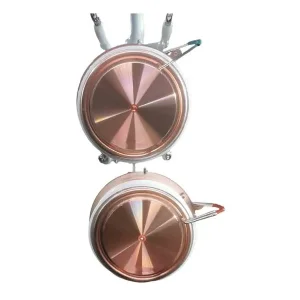
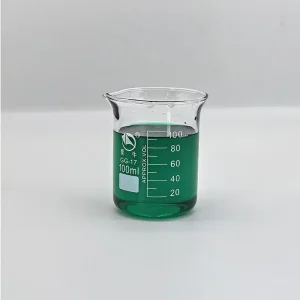
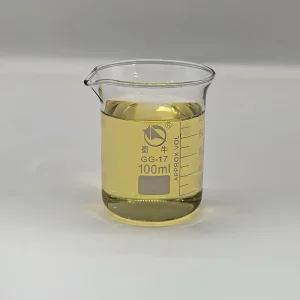
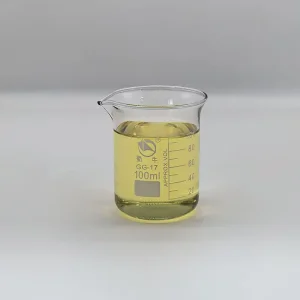
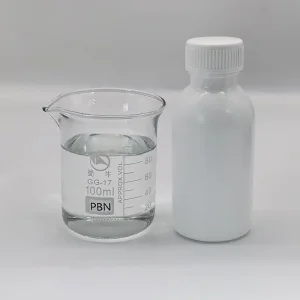
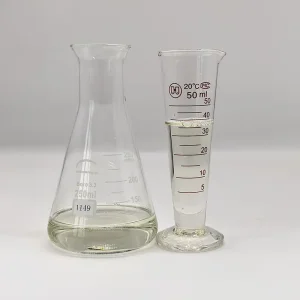
Stay informed with updates regarding our production schedules, holiday calendars, and global operations.
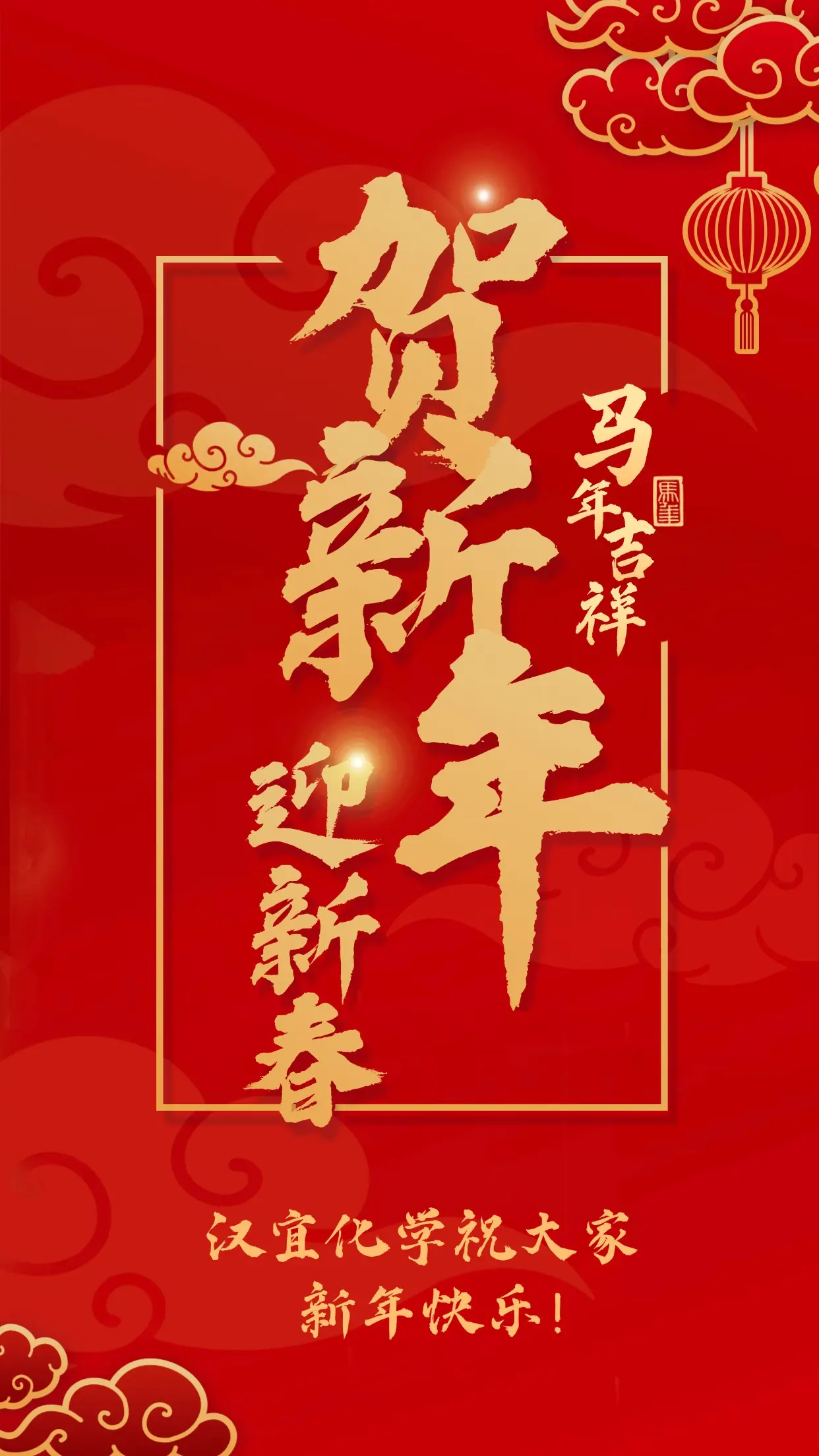
As we transition into a new cycle of production and chemical development, Suzhou Hiyie Chemical extends wishes to our international and domestic partners. Our facilities in Suzhou, along with R&D laboratories in Shanghai and Wuhan, have returned to full capacity to support scheduled deliveries of zinc-nickel additives, trivalent passivations, and electroless nickel systems.
 HIYIE
HIYIE