China Zinc Nickel Alloy Natural Color Passivator Manufacturers & Suppliers

High-Performance Eco-Conscious Trivalent Chromium Passivation Technologies for High-Corrosion Resistant Automotive, Electronics & Marine Applications

Advanced Plating & Surface Treatment Solutions

Explore our top-tier catalog of chemical solutions engineered for unparalleled anti-corrosion efficiency and process reliability.
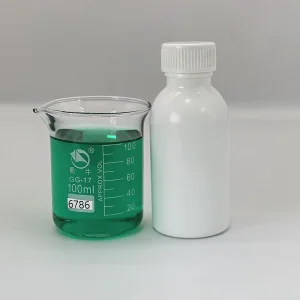
HITEC EN 6786 A/B/C High Phosphorus Electroless Nickel

HITEC EN 6786 A/B/C High Phosphorus Electroless Nickel

Learn More →
8315 Alkaline Cyanide-free Bright Zinc Plating

8315 Alkaline Cyanide-free Bright Zinc Plating

Learn More →
216 High Corrosion-resistant Iridescent Trivalent Zinc Passivation

216 High Corrosion-resistant Iridescent Trivalent Zinc Passivation

Learn More →
FS100 Semi-Bright Nickel Plating

FS100 Semi-Bright Nickel Plating

Learn More →
HITEC EN 6713 A/B/C Mid Phosphorus Electroless Nickel

HITEC EN 6713 A/B/C Mid Phosphorus Electroless Nickel

Learn More →
672 High-Speed Bright Acid Copper Plating

672 High-Speed Bright Acid Copper Plating

Learn More →
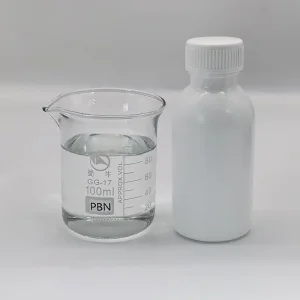
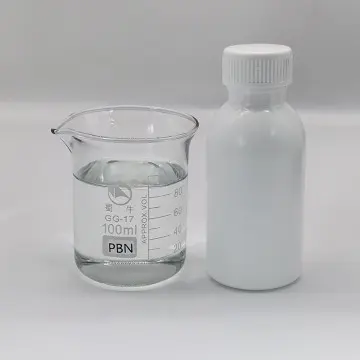
PBN Pearl Nickel

PBN Pearl Nickel

Learn More →
J0-1 Ultra-Low Phosphorus Electroless Nickel

J0-1 Ultra-Low Phosphorus Electroless Nickel

Learn More →

1. Technical Whitepaper: The Chemistry and Engineering of Zinc-Nickel Passivation

In modern surface finishing technologies, electrodeposited zinc-nickel (Zn-Ni) alloy coatings containing 12% to 16% nickel have emerged as the premier barrier protection systems, replacing hazardous cadmium coatings and standard zinc deposits. The true catalyst behind the performance of this system is the chemical passivation layer applied post-electroplating. A Zinc Nickel Alloy Natural Color Passivator acts as the protective shield, building a dense trivalent chromium ($Cr^{3+}$) oxide barrier layer that stabilizes the underlying alloy layer, inhibiting electrochemical oxidation.

1000+
NSS Hours (No Red Rust)
12-16%
Optimal Nickel Content
100%
Trivalent (RoHS Compliant)
120°C
Thermal Resistance Spec

Mechanistic Formation of Trivalent Chromate Films

During natural-color passivation, the freshly plated zinc-nickel substrate is exposed to a mildly acidic bath containing trivalent chromium complexes, fluoride ions (or alternative activation catalysts), and organic carboxylic acid stabilizers. The reaction proceeds through micro-scale dissolution of the sacrificial zinc atoms at the alloy surface, causing a localized pH rise at the solution-metal interface. This shift triggers the precipitation of insoluble chromium hydroxide ($Cr(OH)_3$) and zinc/nickel-chromium mixed complexes directly onto the substrate. The result is a highly uniform, dense, cohesive 100-300nm passivation film.

Unlike hexavalent formulations, which depend on self-healing properties via residual water-soluble $Cr^{6+}$, modern trivalent coatings achieve their high corrosion resistance by creating a highly stable inorganic matrix. This structure is highly resistant to thermal dehydration, retaining its integrity at continuous operating temperatures up to 120°C.

2. Global Procurement Trends & OEM Specifications

The manufacturing sector faces stricter environmental regulations and demands for longer product lifespans. As a result, automotive OEMs, wind energy manufacturers, and heavy industries are updating their surface finishing requirements. Industry standards like BMW GS 90010, Ford WSS-M21P17, Volkswagen TL 244, and General Motors GMW3044 now mandate high-corrosion-resistant zinc-nickel coatings coupled with eco-friendly trivalent passivation.

Automotive OEM Standards
Strict requirements for safety-critical components (brake calipers, fasteners) with demanding salt spray exposure expectations (typically 720 to 1000 hours without red rust, even after thermal shock testing).
Environmental Compliance
Global supply chains must align with environmental standards, including the EU ELV Directive (2000/53/EC), RoHS 3, and REACH regulations, eliminating restricted heavy metal compounds.
Color Consistency & Appearance
The modern industry prefers a "natural color" (clear/slightly iridescent) finish. This allows easy substrate inspection and fits well in applications where parts are visible.

Optimizing Procurement and Reducing Operational Costs

For procurement managers sourcing chemical intermediates from China, bath longevity and buffering capabilities are critical to cost efficiency. High-performance passivators like our ZN-318 trivalent system prevent rapid chemical consumption and build-up of metal impurities (such as iron, zinc, and copper). This extends the bath's service life, reducing chemical replenishment frequency and wastewater treatment volumes, lowering the total cost of ownership.
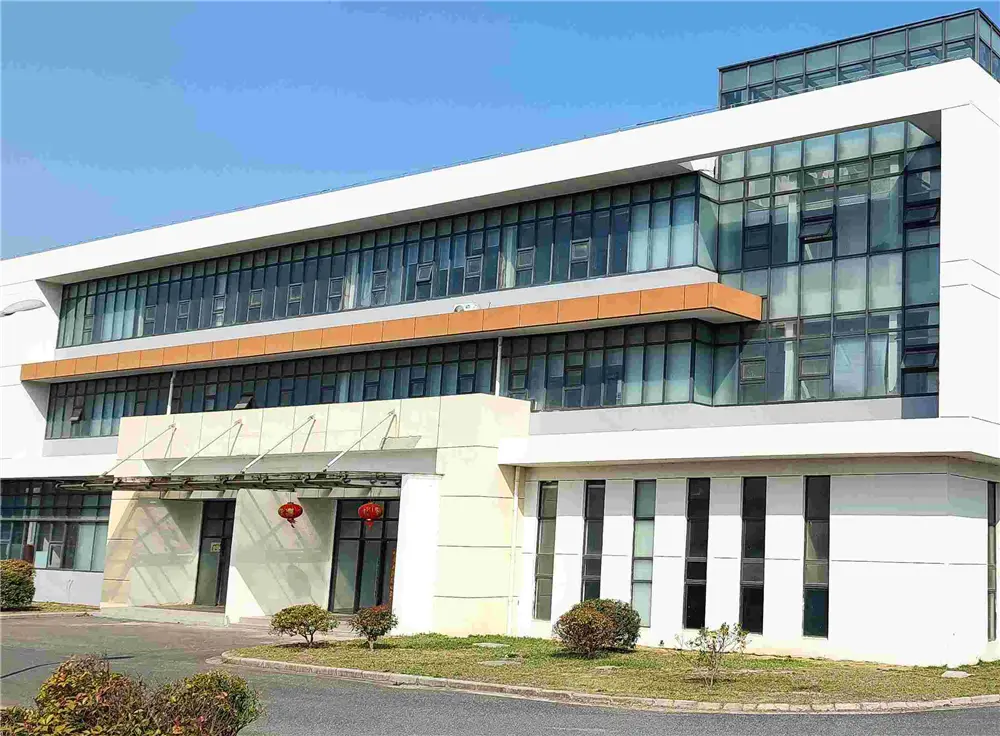
3. About Suzhou Hiyie Chemical Co., Ltd.

Hiyie Chemical Production Facility

SUZHOU HIYIE CHEMICAL CO., LTD. offers a comprehensive product portfolio serving consumer electronics, communication equipment, semiconductors, automotive hardware, craft gifts, and other surface finishing sectors. To drive technical innovation and address complex industry demands, we partner with domestic and international chemical companies and universities through our dedicated mobile R&D center.

Since our founding, Hiyie has established modern research and development centers in Wuhan and Shanghai. Our sales and service network covers the Pearl River Delta, Yangtze River Delta, and Bohai Rim regions, supporting major industrial hubs.

Our chemical technologies and process stabilizers are used and trusted by global brands, including Foxconn Technology Group, Qinghai Salt Lake Group, Chint Group, Hongbao Group, Stanley Group, and Shifeng Group. This broad adoption reflects our commitment to quality, environmental responsibility, and technical performance.

4. Technology Roadmap: The Future of Trivalent Passivation Systems

Hiyie Chemical is committed to developing more sustainable surface treatment solutions. The chemical industry is moving away from hazardous substances, and our R&D roadmap focuses on developing chromium-free coatings and nano-composite sealers to ensure long-term regulatory compliance.

Phase 1: Cobalt-Free Formulations
Transitioning away from cobalt-based stabilizers in trivalent passivation baths. We utilize organic chelators to ensure strong corrosion resistance while meeting stricter ECHA SVHC guidelines.
Phase 2: Hybrid Organic-Inorganic Sealers
Integrating nanoparticle silica ($SiO_2$) and polymer sealers into post-passivation coatings. This approach seals micro-cracks and provides friction coefficient control (0.08–0.14) for automotive fasteners.
Phase 3: Digital Bath Control Systems
Implementing IoT-enabled inline dosing and pH monitoring systems. Real-time control helps minimize chemical waste and keeps the electroplating bath operating within its optimal parameters.

Standard Operating Process Parameters

For optimal plating quality, we recommend maintaining the following parameters when using our natural color passivator systems:

  • Concentration Range: 60 - 100 mL/L (optimizes film thickness and limits consumption rates).
  • pH Control Limits: 1.6 - 2.2 (monitored via precise pH meters to ensure stable zinc dissolution).
  • Bath Temperature: 25°C - 35°C (regulates the rate of trivalent chromium precipitation).
  • Immersion Cycle Time: 30 - 60 seconds (ensures complete passivation film formation without etching).
  • Agitation Method: Mild air or mechanical solution agitation (prevents local concentration depletion).

Complete Electrochemical & Surface Finishing Portfolio

A comprehensive selection of plating baths, stabilizers, and passivators to meet strict industrial specifications.
PBN Pearl Nickel

PBN Pearl Nickel

Learn More →
J0-1 Ultra-Low Phosphorus Electroless Nickel

J0-1 Ultra-Low Phosphorus Electroless Nickel

Learn More →
ZN-318 Blue Trivalent Zinc-Nickel Passivation

ZN-318 Blue Trivalent Zinc-Nickel Passivation

Learn More →
1149 Barrel Bright Nickel Plating

1149 Barrel Bright Nickel Plating

Learn More →
31685 Rapid Brightening Nickel Plating

31685 Rapid Brightening Nickel Plating

Learn More →
372 Alkaline Cyanide-Free Copper Plating

372 Alkaline Cyanide-Free Copper Plating

Learn More →
Chrome Plating Carrier 105

Chrome Plating Carrier 105

Learn More →
6185 Alkaline Zinc-Nickel Plating

6185 Alkaline Zinc-Nickel Plating

Learn More →

Why Choose Hiyie Chemical?

Personnel Icon
Technical & Support Staff
We attract experienced sales and technical professionals who support customers through process design, bath validation, and line implementation.
R & D Icon
R&D Capabilities
Our R&D centers in Wuhan and Shanghai allow us to customize chemical formulations to meet specific customer requirements.
Technology Icon
Eco-Friendly Technology
We focus on developing environmentally conscious surface finishing solutions, including trivalent and cobalt-free passivation technologies.
After-sales service Icon
Dedicated After-Sales Service
Our technical service teams provide on-site diagnostics, bath analysis, and troubleshooting to help maintain stable electroplating lines.

Advanced Technology Categories

Nickel Plating Solutions
Electroless Nickel
Zinc Nickel Alloy
FS100 Semi-Bright Nickel Plating

FS100 Semi-Bright Nickel Plating

Learn More
1149 Barrel Bright Nickel Plating

1149 Barrel Bright Nickel Plating

Learn More
PBN Pearl Nickel

PBN Pearl Nickel

Learn More
31685 Rapid Brightening Nickel Plating

31685 Rapid Brightening Nickel Plating

Learn More

Q&A / Technical FAQ

Common technical and operational questions regarding zinc-nickel alloy natural color passivators.

Q1: What is the optimal nickel content in the plated alloy layer for trivalent passivation?
The optimal nickel content in the electrodeposited alloy is between 12% and 16% (by weight). If the nickel content is below 12%, the corrosion protection decreases. If it exceeds 16%, the deposit behaves more like nickel metal, reducing sacrificial protection and making the passivation layer difficult to form properly.
Q2: How does natural color passivation compare to iridescent trivalent passivation?
Natural color passivation produces a clear-to-light-blue finish that preserves the clean appearance of the nickel-zinc alloy. Iridescent passivation forms a thicker film with typical yellow/red interference colors, which can provide slightly higher corrosion resistance but is less suitable for parts where a metallic, natural look is preferred.
Q3: What causes white corrosion spots to appear early during salt spray testing?
Early white corrosion is typically caused by: 1) Incomplete or too thin a passivation film (check pH and dipping time). 2) Ineffective pre-treatment leaving organic residues. 3) High zinc concentration or iron contaminants in the passivation bath. 4) Thermal dehydration cracking due to high-temperature baking before testing.
Q4: How do you maintain pH stability in a trivalent chromium passivation bath?
During the passivation process, the consumption of hydrogen ions causes the pH to rise. Regular additions of dilute nitric acid or custom acidic replenishment concentrates help maintain the pH within the recommended 1.6–2.2 range. Using automated dosing pumps triggered by inline pH meters is recommended for high-volume production lines.
Q5: Are trivalent chromium passivation coatings compliant with RoHS and REACH regulations?
Yes. Our trivalent chromium passivators do not contain hexavalent chromium (Cr6+), aligning with RoHS 3, ELV Directive (2000/53/EC), and REACH regulations. This allows treated parts to be exported globally.
Q6: How can iron or copper contamination be removed from the passivation bath?
Iron contaminants can be precipitated using peroxide treatment combined with pH adjustment, followed by filtration. Heavy metal contaminants like copper can be removed using low-current dummy plating (electrolysis) or by applying selective metal precipitation agents.
Q7: What is the purpose of using post-passivation sealers or topcoats?
Sealers or topcoats are thin organic or inorganic films applied over the passivation layer. They fill micro-pores, improve overall corrosion resistance (often adding 200+ hours in salt spray testing), and allow for controlled torque-friction properties on industrial fasteners.
Q8: Can your passivators be used on both acid and alkaline zinc-nickel electroplating processes?
Yes, our trivalent passivators are designed to work with both acid and alkaline zinc-nickel systems. However, alkaline deposits typically feature a more uniform alloy distribution, which can result in a more consistent passivation film structure.

Company News & Updates

Chinese New Year Holiday Greetings
17 Feb 2026

Seasonal Greetings from the Hiyie Chemical Team

The Snake ushers in blessings as we bid the old year farewell; The Horse brings spring as we embark on a new journey. The New Year bell rings the prelude to progress. We wish all our global partners, customers, and suppliers a prosperous and successful year ahead!