Explore our premium grade chemical concentrates designed to achieve extreme corrosion resistance, precise thickness uniformity, and outstanding aesthetic finishes.
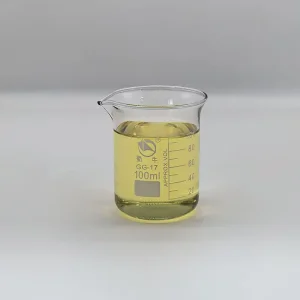
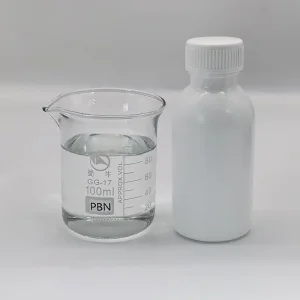
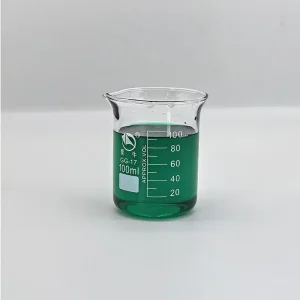
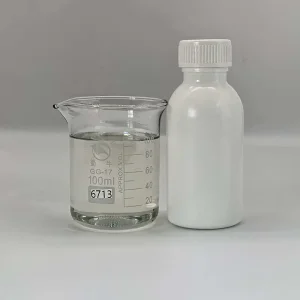
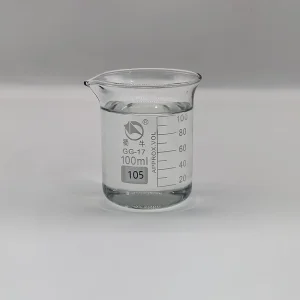
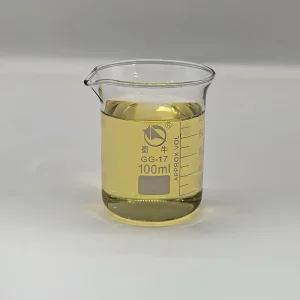
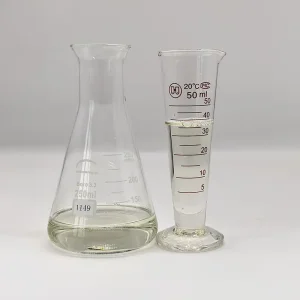
In modern automotive engineering, aerospace infrastructure, and marine environments, conventional zinc electroplating is no longer sufficient to meet demanding operational lifetimes. Zinc-Nickel (Zn-Ni) alloy plating has emerged as the premier sacrificial coating technology, offering up to ten times the corrosion protection of traditional coatings. Typically featuring a 12% to 16% nickel co-deposition, the alloy creates a micro-crystalline structure that provides high thermal resistance, outstanding wear resistance, and minimal galvanic corrosion when coupled with aluminum.
The deposition of Zinc-Nickel alloy is historically classified into two chemistry types: acid-based systems and alkaline-based systems. Alkaline Zinc-Nickel plating, such as our 6185 Alkaline Zinc-Nickel Plating solution, is highly preferred for complex geometries. Unlike acid systems, alkaline chemistries deliver exceptional thickness distribution (throwing power) across irregular contours and recessed areas.
The mechanism operates on a co-deposition process where specialized organic complexing agents control the reduction potential of both Zinc and Nickel ions. This ensures that the target 12-16% nickel range is consistently deposited across varying current density zones. If the nickel concentration falls below 12%, the deposit behaves like pure zinc and loses its enhanced protective capabilities. If it exceeds 16%, the deposit becomes brittle, increasing the risk of micro-cracking and subsequent adhesion failure.
To unlock the full potential of Zn-Ni coatings, selecting the correct post-treatment passivation is critical. Post-plating passivation films act as barrier layers. With the global phase-out of hexavalent chromium due to environmental directives (RoHS, REACH, and WEEE), high-performance trivalent passivations have become standard. Formulations like our ZN-318 Blue Trivalent Zinc-Nickel Passivation and 216 High Corrosion-resistant Trivalent Zinc Passivation provide self-healing properties that prevent the early onset of white rust ($Zn(OH)_2$) and red rust (base metal oxidation) even after severe thermal shock.
Addressing the challenges of modern industrial procurement with advanced surface treatment chemistries tailored for reliability, quality, and regulatory excellence.
OEM standards require parts to withstand aggressive road de-icing salts and high under-the-hood temperatures without degradation. Alkaline zinc-nickel alloy plating provides sacrificial cathodic protection, maintaining integrity up to temperatures of 200°C.
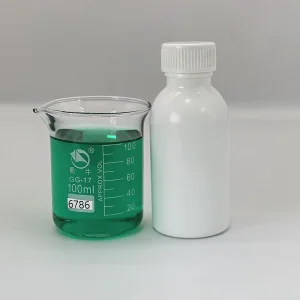
Wind turbines and coastal structures face continuous atmospheric salt and moisture. Incorporating high-phosphorus electroless nickel (like our HITEC EN 6786 series) alongside trivalent zinc passivations provides double-layered defense against harsh environments.
Consumer electronics and communication hardware require precise thickness control to optimize electrical grounding and EMI shielding. Ultra-low to medium phosphorus nickel plating configurations guarantee consistent electrical conductivity and solderability.
The industry is transitioning toward fully closed-loop plating chemistry management. This includes the development of additives that allow for high-speed deposition, increased tolerance to impurities, and consistent alloy composition across variable current densities. As high-speed acid copper plating and specialized nickel carriers become more advanced, suppliers must innovate at the molecular level.
Innovations in alkaline cyanide-free copper plating (such as the 372 series) and alkaline cyanide-free bright zinc plating are transforming surface finishing. The removal of cyanide eliminates a major environmental and occupational hazard while ensuring excellent adhesion, particularly when used as a strike layer on complex substrates before Zinc-Nickel or Electroless Nickel deposition.
Google's Search Quality Evaluator Guidelines emphasize Experience, Expertise, Authoritativeness, and Trustworthiness (E-E-A-T). By integrating deep electrochemistry knowledge with real-world application data, Suzhou Hiyie Chemical demonstrates its leadership in the surface treatment industry. Our collaborative research with universities and R&D centers ensures that our technical specifications reflect the cutting edge of industrial chemistry.
Browse our specialized formulations by electrodeposition category. Toggle between sections to review detailed product classifications.
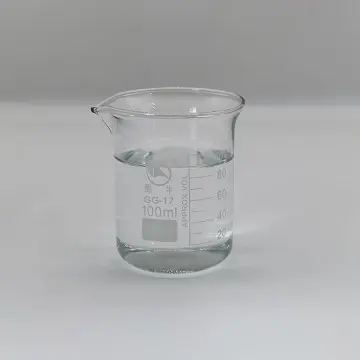
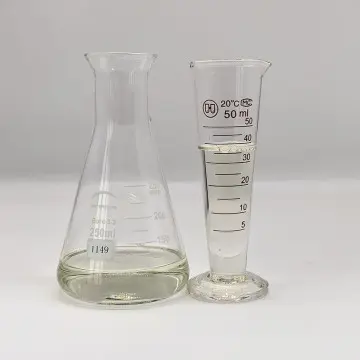
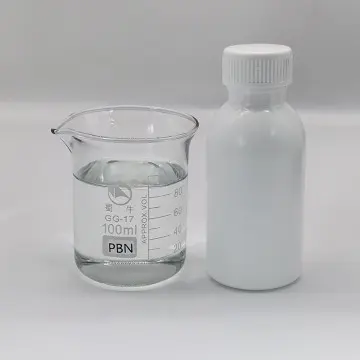
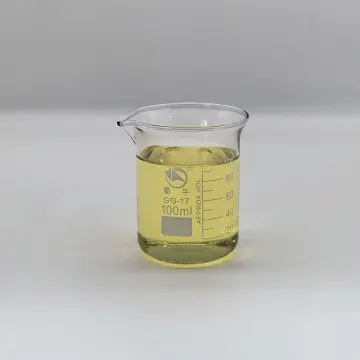
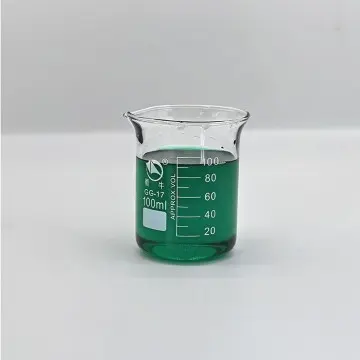
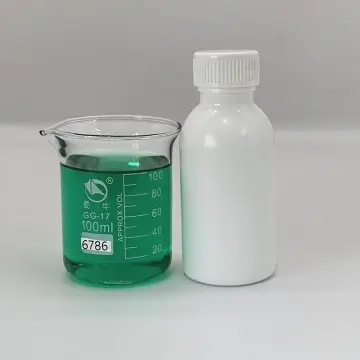
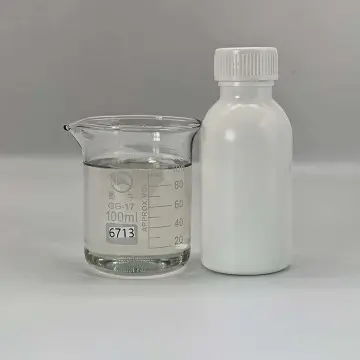
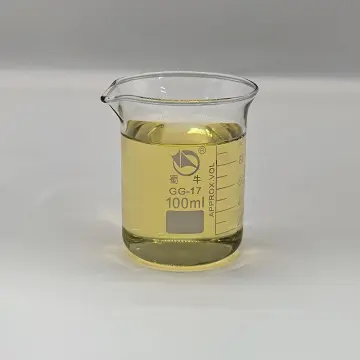
A Professional Manufacturer of Organic Chemical Solutions & Surface Materials
SUZHOU HIYIE CHEMICAL Co., LTD provides surface treatment solutions across diverse industries, including consumer electronics, communications equipment, semiconductors, automotive hardware, and industrial manufacturing. We collaborate with chemical researchers and academic institutions to operate a mobile R&D center dedicated to solving industry-wide coating and plating challenges.
Since our establishment, we have set up R&D facilities in Wuhan and Shanghai. Our service network covers the Pearl River Delta, Yangtze River Delta, and Bohai Rim. Our products are trusted by leading enterprises, including Foxconn Technology Group, Qinghai Salt Lake Group, Chint Group, Hongbao Group, Stanley Group, and Shifeng Group.
Learn More About Our Team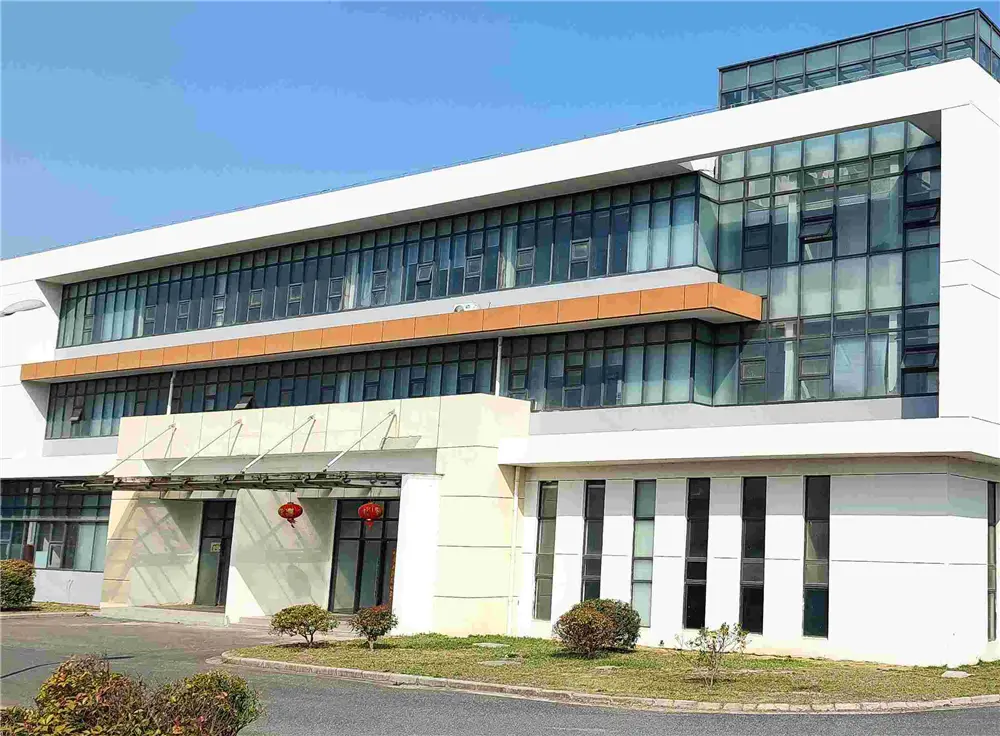
Common questions from chemical engineers, procurement officers, and quality control managers.
Alkaline zinc-nickel systems exhibit superior throwing power (uniform thickness distribution) compared to acid systems. Automotive parts, such as brake calipers, fasteners, and complex brackets, feature deep recesses and geometries where acid systems might yield uneven thickness. Alkaline baths deposit a uniform layer, ensuring consistent corrosion resistance and dimensional control.
Trivalent passivation acts as a critical conversion coating that forms an additional inorganic barrier layer. It slows down the initial oxidation of the zinc in the alloy (preventing white rust formation) and provides self-healing properties in the event of minor scratches or abrasions.
Electroless Nickel (EN) coatings are categorized by their phosphorus content. High-phosphorus EN (10-13% P) is amorphous and provides superior corrosion resistance in acidic environments but has lower hardness. Mid-phosphorus EN (6-9% P) offers a balance of wear resistance, brightness, and corrosion resistance. Low-phosphorus EN (1-5% P) is highly crystalline, offering high wear resistance, high hardness, and excellent alkaline resistance.
Stay informed with updates on technological breakthroughs, company announcements, and events in the global electrochemistry sector.
"The Snake ushers in blessings as we bid the old year farewell; The Horse brings spring as we embark on a new journey." The bells ring in the prelude to progress as we expand our global footprint and deliver high-performance electroplating technologies.
Read Full ReleaseReview the rest of our specialty electrodeposition agents, trivalent passivations, and copper plating solutions.
 HIYIE
HIYIE