A critical product portfolio covering high-speed acid plating, trivalent passivations, and alkaline non-cyanide formulations built for modern manufacturing lines.
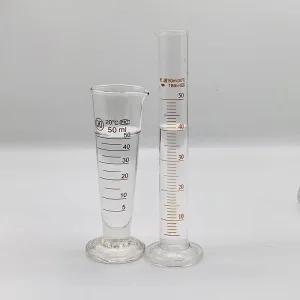
Advanced electrodeposition process providing highly uniform 12-15% nickel content distribution across complex geometries.
View Technical Details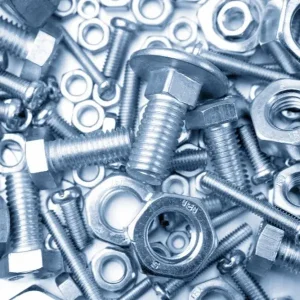
RoHS-compliant trivalent chromium conversion coat for high corrosion resistance and attractive blue-bright aesthetics.
View Technical Details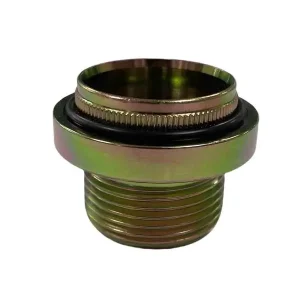
Industrial-grade conversion coating producing an iridescent finish, designed for extreme salt spray performance.
View Technical Details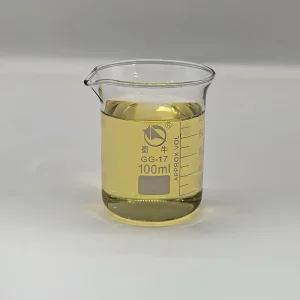
Environmentally responsible, cyanide-free process yielding high brightness and remarkable thickness uniformity.
View Technical Details
Sulfur-free formulation providing excellent ductility, leveling properties, and crucial electrochemical potential steps.
View Technical Details
Optimized barrel plating additive system offering exceptional brightness, high throw power, and fast deposition rates.
View Technical Details
Creates an elegant, non-glare satin pearl look. High-end decorative coating with excellent mechanical resistance.
View Technical Details
High-speed brightening carrier designed to reduce process cycle times in complex automatic rack plating lines.
View Technical DetailsUnderstanding the electrochemical mechanisms, alloy thermodynamics, and architectural demands driving modern surface engineering.
In modern industrial applications, standard electroplated zinc coatings are rapidly failing to meet the rigorous longevity requirements of severe environments. The Zinc-Nickel (Zn-Ni) finish represents the pinnacle of sacrificial galvanic protection, depositing an alloy layer consisting typically of 12% to 15% nickel. This precise concentration triggers the formation of a single-phase gamma-crystalline structure ($Ni_5Zn_{21}$), yielding a coating that is up to ten times more corrosion resistant than standard zinc.
This barrier mechanism operates dual-fold: it provides sacrificial protection to the underlying steel substrate while maintaining low galvanic potential differential when matched with aluminum. This characteristic is essential for reducing galvanic corrosion in multi-material structures typical of electric vehicles and aerospace frameworks.
Selecting the optimal electroplating chemical route based on geometry, thickness distribution, and substrate requirements.
| Performance Feature | Alkaline Zinc-Nickel System (e.g., 6185) | Acid Zinc-Nickel System | Industrial Advantage |
|---|---|---|---|
| Alloy Distribution (Throwing Power) | Exceptional (Variation of <1.5% nickel content across part geometry) | Poor (High current density zones yield significantly higher nickel content) | Alkaline ensures consistent corrosion protection on complex interior threads. |
| Cathode Efficiency | 45% – 60% (Highly controlled deposition rate) | 85% – 95% (Extremely high deposition rate) | Acid systems prioritize cycle speed; Alkaline prioritizes thickness uniformity. |
| Substrate Suitability | Cast iron, stampings, fasteners, high-tensile steel | Tempered steels, cast iron (better coverage of raw surfaces) | Alkaline systems greatly mitigate the risk of localized hydrogen absorption. |
| Hydrogen Embrittlement Risk | Very Low (Aided by appropriate pre/post treatment) | High (Requires immediate, intensive thermal relief baking) | Crucial for high-grade fasteners (Class 10.9 & 12.9) used in automotive. |
*Note: Selecting the proper trivalent passivation chemistry, such as ZN-318 Blue or 216 Iridescent, is critical to achieving maximum corrosion performance after plating.
Meeting the stringent engineering demands of the world's most challenging sectors with certified plating chemistries.
Global automotive companies dictate stringent standards such as VW TL 244, BMW GS 90010, Ford WSS-M21P17, and GM GMW3044. Our alkaline zinc-nickel technologies deliver predictable friction coefficients (CoF) and cyclic corrosion test (CCT) compliance, securing components like brake calipers, fluid line couplings, and underbody chassis bolts.
Offshore installations represent C5-M extreme marine corrosive classifications. Components protected with high-phosphorus electroless nickel or robust trivalent zinc-nickel passivated coatings withstand exposure to high-humidity, high-salinity marine environments. This protection reduces early fatigue stress on structural fasteners and power generator castings.
Due to the environmental restriction of cadmium finishes (historically critical for corrosion protection and dry-film lubricity), modern aerospace programs are shifting to zinc-nickel coatings. Our advanced chemistry provides the same low-galvanic properties without the severe toxicity hazards associated with cadmium plating.
Engineered solutions backed by robust manufacturing infrastructure, university collaborations, and high-standard quality controls.
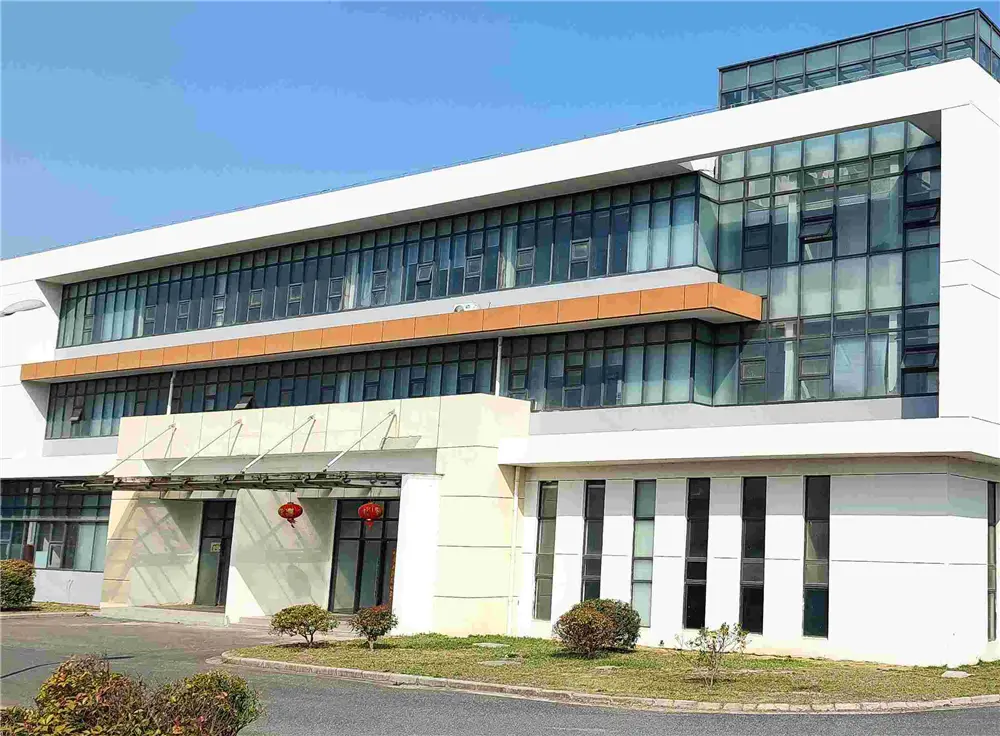
SUZHOU HIYIE CHEMICAL Co., LTD has built an advanced product portfolio that covers consumer electronics, communication equipment, the semiconductor industry, automotive hardware, craft gifts, and more. Recognizing the complex needs of specialized finishes, the company has collaborated with multiple domestic and foreign chemical companies and universities to establish a mobile R&D center dedicated to solving technical challenges in the electroplating and surface treatment industries.
Since its establishment, the company has set up R&D institutions in Wuhan and Shanghai, ensuring access to elite scientific research and cutting-edge process testing. Our extensive marketing network covers the Pearl River Delta, Yangtze River Delta, and Bohai Rim regions, enabling rapid supply chain logistics and direct technical support.
Our chemical products and systems have been widely used and recognized by many well-known domestic and foreign companies, including Foxconn Technology Group, Qinghai Salt Lake Group, Chint Group, Hongbao Group, Stanley Group, Shifeng Group, and others, earning the company a strong reputation for performance, repeatability, and field support.
Combining scientific research, custom manufacturing, and global standard alignment to optimize client surface finishing processes.

We recruit and train top-tier researchers, sales experts, and field technicians, maintaining strict professional accountability to our clients worldwide.

A flexible research and development infrastructure lets us tailor chemical formulas to meet highly specialized OEM requirements.

We offer modern chemical systems developed in line with strict global environmental standards, including RoHS, REACH, and ELV directives.

Our pre-sales, implementation, and field service technicians provide 24/7 technical support, plating bath analysis, and troubleshooting.
Anticipating evolving environmental regulations and mechanical performance demands for surface engineering.
Global regulatory bodies are intensifying scrutiny on cobalt salts used in trivalent chromium passivates. Suzhou Hiyie is proactively developing next-generation, cobalt-free passivates that match the 1000-hour neutral salt spray performance of standard systems. This ensures long-term regulatory compliance for our global automotive and electronics clients.
Integrating nano-particles (such as silica or carbon nanotubes) directly into the zinc-nickel alloy matrix is a key research area. When the surface coating is mechanically breached, the nano-composites facilitate a migration of sacrificial zinc ions to seal the micro-crack, preventing localized red rust and deep substrate pitting.
To streamline automated assembly lines, components require integrated friction properties. Suzhou Hiyie's developing topcoats incorporate micro-encapsulated dry lubricants. This design eliminates the need for post-plating wax applications, delivering a stable coefficient of friction (CoF) between 0.10 and 0.16.
We are rolling out software integrations for electroplating lines. Using sensors and specialized titration feedback loops, this system monitors nickel concentration, pH levels, and brightener consumption. This data feed helps operations teams dynamically adjust feed rates, preventing chemical variance and reducing rework costs.
Get expert engineering insights on bath control parameters, corrosion mitigation, and environmental compliance.
Stay informed on our chemical innovations, holiday operations, and company updates.

The Snake ushers in blessings as we bid the old year farewell; The Horse brings spring as we embark on a new journey. The New Year bell rings the prelude to progress, inspiring the team at Suzhou Hiyie Chemical to push the boundaries of chemical R&D and supply chain reliability in the upcoming year.
Complete your plating line with high-purity copper brighteners, carrier compounds, and electroless nickel systems.
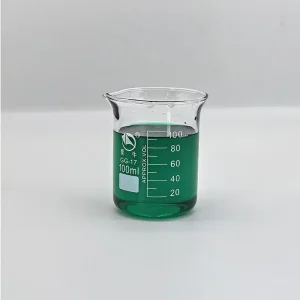
Formulated for semiconductor packaging and electronic components needing high solderability and electrical conductivity.
View Technical Details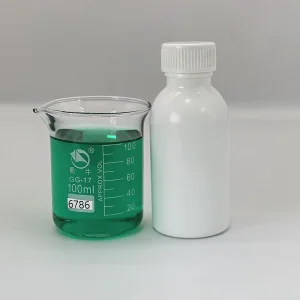
Advanced chemical system providing a pore-free coating designed for heavy chemical processing plants and offshore equipment.
View Technical Details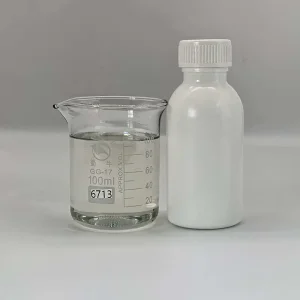
Versatile electroless nickel system balance between hardness, wear resistance, and reliable corrosion protection.
View Technical Details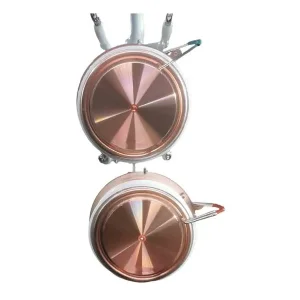
Formulation engineered for high-throw capacity, mirror brightness, and rapid leveling properties in plastic plating lines.
View Technical Details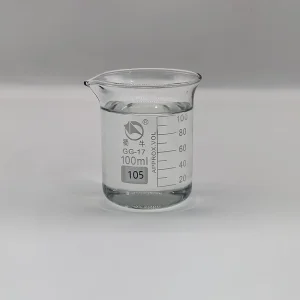
Specialized surfactant carrier designed to mist-suppress hexavalent baths or stabilize trivalent chromium deposition.
View Technical Details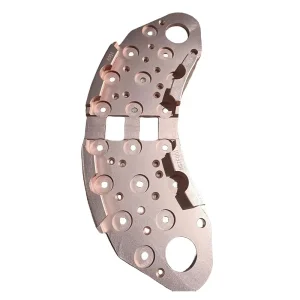
Safe, eco-friendly strike plating solution for zinc die-casts, steel parts, and multi-metal substrate lines.
View Technical Details
Alkaline alloy chemistry providing optimal plating thickness distribution and consistent 12-15% nickel content.
View Technical Details
Highly stable, trivalent passivation bath providing deep blue aesthetics and robust protection for plated steel parts.
View Technical Details HIYIE
HIYIE