Explore our high-performance electroplating formulations designed to meet rigorous automotive, electronics, and industrial specifications.
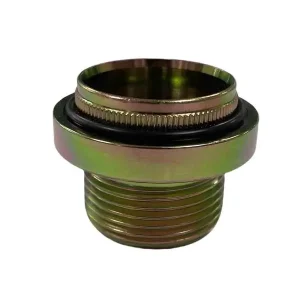
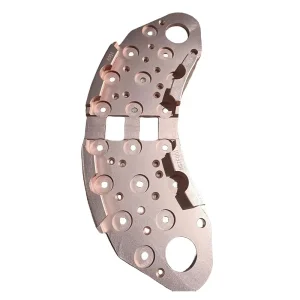
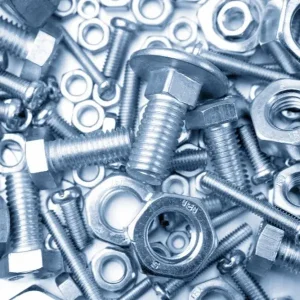
Over the last decade, global environmental directives (such as RoHS, REACH, and ELV) coupled with demands for extended warranty lifecycles have forced a significant migration from traditional cadmium and hexavalent chromium coatings to safer, more robust alloys. Among these, Zinc-Nickel (Zn-Ni) electroplating has emerged as the definitive industrial benchmark for extreme atmospheric and galvanic corrosion prevention.
Specifically containing 12% to 16% co-deposited nickel, this alloy forms a single-phase gamma structure. This unique eutectic composition acts as a highly resilient sacrificial barrier, offering up to ten times the protection of standard acid or alkaline zinc systems. For industrial specifiers, this translates to minimal white rust and red rust formation even when subjected to temperatures exceeding 120°C and cyclic mechanical stresses.
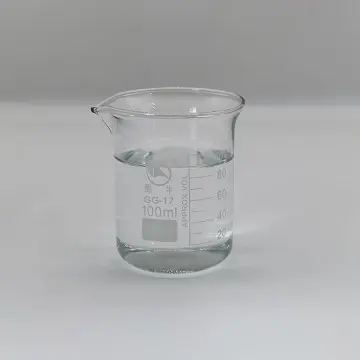
A breakdown of how Hiyie's advanced formulations align with major international electroplating standards.
| Plating Category | Key Performance Additive | Target Alloy Code / Standard | Salt Spray Test (NSS) Performance | Primary Industrial Use-Case |
|---|---|---|---|---|
| Alkaline Zn-Ni | 6185 Alkaline Zinc-Nickel Plating System | ASTM B841 Class 1, DIN EN ISO 19598 | White Rust: >240 hrs / Red Rust: >1000 hrs | Automotive Fasteners, Heavy Machinery, Chassis Parts |
| Trivalent Passivation | ZN-318 Blue Trivalent Passivation Agent | RoHS / REACH Compliant Passivates | Stabilizes alloy matrix, delays sacrificial wear | Electronics, High-Tensile Bolts, Marine Fittings |
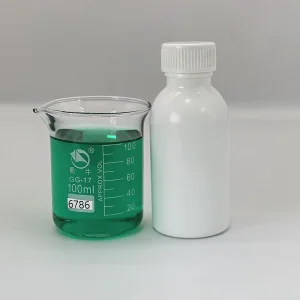
| Electroless Nickel | HITEC EN 6786 High Phosphorus Series | MIL-C-26074E, AMS 2404 | Exceptional chemical resistance & hardness | Aerospace Valves, Petrochemical Pipes, Semiconductor Tooling |
| Bright Acid Zinc | 8315 Alkaline Cyanide-Free Brightener | ISO 2081 compliant finishing | Enhanced gloss with zero toxic cyanide output | Precision hardware, commercial stampings |
Our commitment to fundamental research, engineering innovation, and quality management allows us to supply global markets seamlessly.
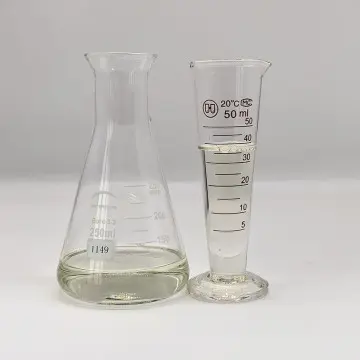
For chemical and process engineers, achieving the perfect balance of zinc and nickel is complex. Under standard acid conditions, nickel deposits preferentially, leading to high-nickel deposits that are brittle and prone to micro-cracking. Conversely, alkaline baths control nickel co-deposition rate by utilizing complexing agents that coordinate with nickel ions, aligning their reduction potential closer to that of zinc.
Hiyie’s proprietary 6185 Alkaline Zinc-Nickel Plating bath chemistry implements next-generation organic additives. These additives effectively suppress dendritic growth at high-current-density (HCD) areas while ensuring sufficient deposition at low-current-density (LCD) areas. This yields uniform thickness distribution and uniform alloy ratio across threaded components, hex head recesses, and internal cavities.
Furthermore, post-plating passivation via our ZN-318 Blue Trivalent Zinc-Nickel Passivation enhances corrosion metrics. By creating a nano-thin oxide barrier layer enriched with chromium (III) and silica nanoparticles, the chemical resistance of the underlying zinc-nickel alloy is extended. This prevents standard galvanic couples when steel elements contact lightweight magnesium or aluminum structures.
SUZHOU HIYIE CHEMICAL Co., LTD has engineered a comprehensive product portfolio that serves key high-tech verticals. These include consumer electronics, telecommunication infrastructure, the semiconductor industry, automotive structural hardware, and highly detailed craft gifts. To solve persistent industry challenges, we establish agile mobile R&D centers in active collaboration with national universities and chemical institutions.
With R&D nodes in Wuhan and Shanghai and a distribution network operating across the Pearl River Delta, Yangtze River Delta, and Bohai Rim, our chemical formulations are deployed globally. Trusted by tier-1 corporations including Foxconn Technology Group, Qinghai Salt Lake Group, Chint Group, Hongbao Group, Stanley Group, and Shifeng Group, Hiyie stands for engineering precision, logistical reliability, and persistent innovation.
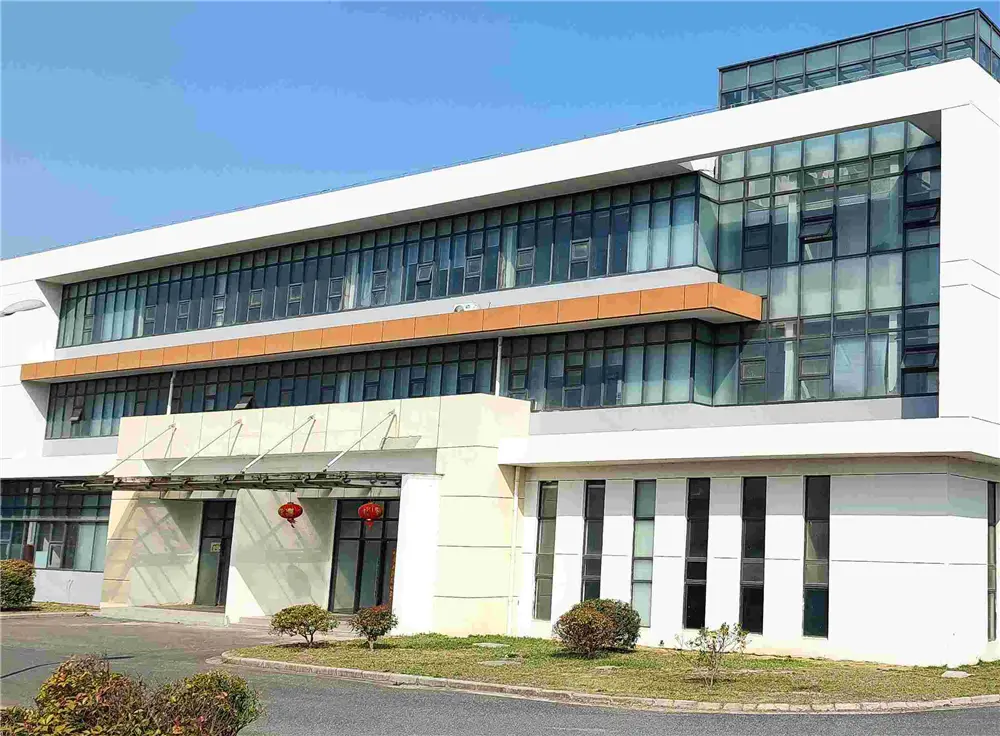
A breakdown of our manufacturing, engineering, and after-sales customer service capabilities.

We source specialists, technical sales engineers, and surface finishing consultants to guide line setups and resolve bath imbalances instantly.

Our collaborative university R&D model allows customized surfactant synthesis, tailored to specific substrate materials and complex geometries.

Continuous chemical updates focusing on low energy consumption, zero-cyanide, low organic loading, and environment-friendly chemistry.

On-site diagnostics, Hull cell testing support, and analytical titration guidance to maintain optimal chemical balances on your line.
Stay informed with our company announcements, industry schedule updates, and technology releases.
Addressing the common questions regarding structural coating selection, ASTM guidelines, and bath maintenance.
This specific percentage marks the optimal phase configuration (γ phase) of the alloy. Below 12%, the deposit behaves similarly to standard zinc, yielding lower corrosion performance. Above 16%, the deposit becomes brittle, increasing internal stress and leading to micro-cracking and eventual adhesion failure during post-plating machining or high-tensile installations.
Alkaline baths offer superior throwing power and thickness uniformity on complex geometries and deep recess areas, preventing thin spots. Acid systems offer faster deposition rates and are easier to use directly on cast iron substrates, but they struggle to maintain uniform alloy ratios over complex geometries.
For high-strength fasteners (tensile strength ≥ 1000 MPa), a baking process is required post-plating but before passivation. Typically, parts are baked at 200°C for 4 to 24 hours depending on the steel grade, allowing trapped hydrogen to diffuse out of the substrate and preventing stress cracking under load.
Yes. Modern trivalent formulations (like our ZN-318) when paired with suitable topcoats or sealers deliver equal or superior corrosion resistance compared to older hexavalent chromium coatings. This transition satisfies strict environmental regulations without sacrificing salt spray performance.
Browse our supplementary functional coatings, brightness agents, and carrier chemicals designed for advanced electroplating lines.
 HIYIE
HIYIE