Explore our elite portfolio of electroless nickel processes, cyanide-free electroplating additions, and highly robust trivalent passivates developed to meet rigorous automotive, electronics, and aerospace standards.
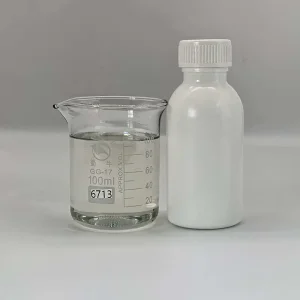
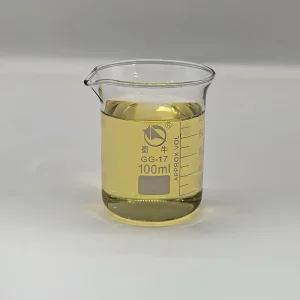
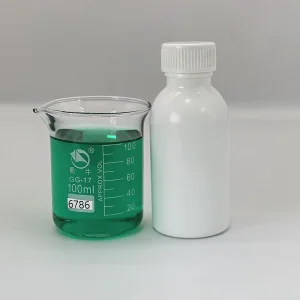
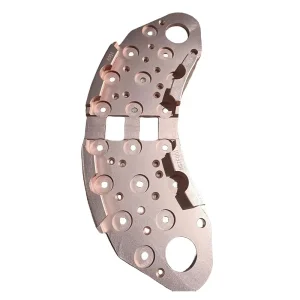
The global electroplating and surface finishing industry is undergoing an unprecedented shift toward performance-intensive and ecologically sound technologies. Traditional zinc electroplating, while economical, falls short under aggressive climatic conditions, fast-paced automotive demands, and high-salinity marine environments. This performance gap has catapulted Zinc-Nickel (Zn-Ni) alloy electroplating to the forefront of engineering specifications worldwide.
Characterized by a stable gamma-phase alloy crystal structure consisting of 12% to 15% nickel content, zinc-nickel plating delivers up to ten times the corrosion protection of standard zinc coatings. The automotive industry, guided by international specifications such as DIN 50979 and ISO 19598, has widely banned hexavalent chromium coatings, replacing them with trivalent-passivated zinc-nickel deposits. Furthermore, aerospace and defense sectors are systematically substituting hazardous cadmium plating with alkaline zinc-nickel solutions due to their comparable galvanic properties with aluminum components without the associated high toxicity profile.
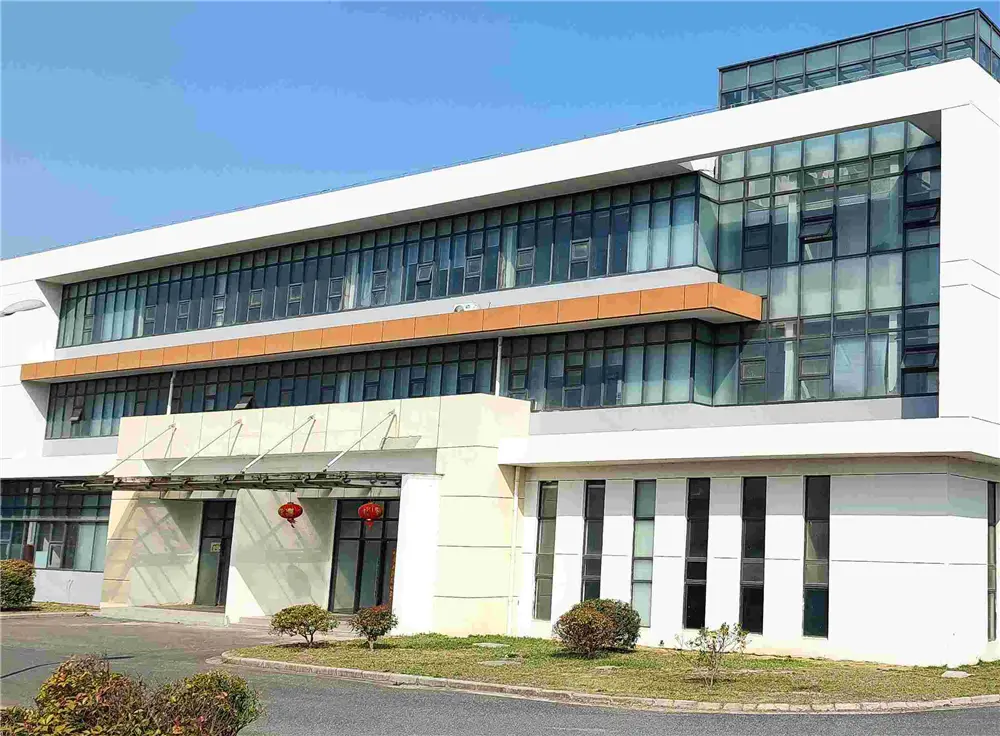
As a leading China Zinc-Nickel plating manufacturer and chemical supplier, SUZHOU HIYIE CHEMICAL Co., LTD engineers advanced formulations that balance current efficiency, alloy distribution, and deposit brightness, securing a robust footprint across key industrial clusters internationally.
The core success of modern electroplating lies in bath stability and uniform metal distribution. Acid zinc-nickel systems are traditionally faster but suffer from poor thickness and alloy distribution across complex structural geometries. In contrast, alkaline cyanide-free zinc-nickel plating chemistry exhibits exceptional macro-throwing power.
Our proprietary organic complexing additives keep metal ions perfectly suspended at high pH levels. This prevents premature precipitation and guarantees a consistent 12-15% nickel content in the alloy layer across both high and low current density zones.
Our eco-friendly formulations eliminate the need for dangerous sodium or potassium cyanides. By utilizing advanced organic amine carriers, we optimize safety while ensuring uniform coverage and exceptional brightener reception.
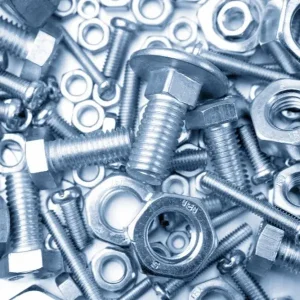
Our alkaline systems are uniquely designed to limit hydrogen absorption in high-strength carbon steels. This minimizes the risk of delayed catastrophic failure, which is critical for structural fasteners and safety-critical automotive parts.
“The thermodynamic stability of the gamma-phase Zn-Ni alloy prevents galvanic corrosion cycles. When in contact with aluminum structures, Zn-Ni maintains a lower potential difference than pure zinc, effectively neutralizing corrosion on multi-material assemblies.”
SUZHOU HIYIE CHEMICAL Co., LTD is an industry-leading manufacturer of high-precision electroplating additives, specialty formulations, and organic chemical products. Our diversified portfolio spans automotive hardware, consumer electronics, telecommunication equipment, semiconductors, and fine craft gifts.
By establishing advanced mobile R&D institutions in Wuhan and Shanghai, we collaborate actively with reputable domestic and international universities to solve complex metallurgical and chemical engineering challenges. Our comprehensive marketing and technical support networks cover key manufacturing clusters, including the Pearl River Delta, Yangtze River Delta, and the Bohai Rim regions.
Over the years, our proprietary formulations have gained recognition from global tier-1 suppliers and blue-chip enterprises, including Foxconn Technology Group, Qinghai Salt Lake Group, Chint Group, Hongbao Group, Stanley Group, and Shifeng Group, cementing our reputation as a trusted, innovation-driven supplier.
The following technical matrix outlines key differences in thickness uniformity, mechanical property retention, and corrosion performance across standard industrial electroplating systems.
| Performance Criteria | Alkaline Cyanide-Free Zn-Ni | Acid Zinc-Nickel | Standard Acid Zinc | Electroless Nickel (Mid Phos) |
|---|---|---|---|---|
| Alloy Composition | 12% - 15% Ni (Balance Zn) | 10% - 16% Ni (Balance Zn) | Pure Zn (>99.9%) | 91% - 94% Ni (6-9% P) |
| Cathode Throwing Power | Excellent (Uniform Thickness) | Moderate (Edge Build-up) | Poor to Moderate | Absolute Uniformity |
| Salt Spray Resistance (Red Rust) | > 1,000 Hours (ASTM B117) | > 800 Hours (ASTM B117) | 120 - 240 Hours | > 400 Hours |
| Thermal Stability | High (Up to 300°C) | High (Up to 300°C) | Low (Degrades >120°C) | Excellent (Up to 400°C) |
| Hydrogen Embrittlement Risk | Very Low (With Relief Bake) | Moderate to High | Moderate | Negligible (Auto-catalytic) |
| Environmental Compliance | RoHS / REACH Compliant | RoHS / REACH Compliant | Variable | RoHS / REACH Compliant |
Why top industrial manufacturers trust Suzhou Hiyie Chemical as their long-term plating supplier.

We recruit and train top-tier electroplating chemists and technical sales engineers dedicated to optimizing your production lines.

Our mobile R&D framework responds dynamically to client specifications, developing custom additives for unique substrates.

We prioritize sustainable development, engineering cyanide-free, low-VOC, and heavy-metal-free plating auxiliaries.

Our integrated pre-sale and after-sale field teams offer on-site chemical analysis, bath maintenance, and troubleshooting.
The electroplating industry is evolving rapidly, driven by strict carbon-reduction mandates and higher equipment life-cycle demands. The roadmap for next-generation zinc-nickel systems is characterized by several key developmental pathways:
Suzhou Hiyie Chemical remains at the forefront of these innovations, constantly updating our formulations to meet tomorrow's strict environmental regulations while maintaining competitive plating speeds.
Technical answers to help engineers, plating operators, and procurement managers optimize their plating systems.
This range corresponds to the single gamma phase (γ-phase) crystal structure of the Zn-Ni alloy. Lower nickel content results in a mixture of phases with inferior corrosion resistance, while higher nickel content increases noble potential, raising the risk of galvanic corrosion on steel substrates. Maintaining this range ensures optimal protective properties and ductility.
We achieve this through our proprietary organic complexing agents. Because zinc and nickel have widely different deposition potentials, these specialized chelators hold the metal ions in stable complexes, ensuring they plate out in the correct ratio across both low and high current density areas.
Alkaline formulations offer superior metal distribution (throwing power), making them ideal for complex shapes, fasteners, and interior geometries. They also cause less hydrogen embrittlement. Acid systems plate faster and are typically preferred for simple shapes like steel sheets or tubing, though they offer less uniform thickness.
A post-plating trivalent passivation layer provides an active barrier that prevents zinc oxidation. In the event of minor scratches, it acts as a sacrificial layer to protect the underlying substrate, extending salt spray performance to over 1,000 hours without red rust.

As we welcome a new year of technological challenges, Suzhou Hiyie Chemical is expanding its collaborative R&D efforts with universities in Shanghai and Wuhan. We remain committed to developing high-performance, eco-friendly surface treatment products for our global automotive and consumer electronics partners.
Discover our wider range of electroplating additives, including specialty trivalent passivates, pearl nickel, and electroless copper formulations.
 HIYIE
HIYIE