Explore our premium industrial-grade plating baths and performance passivations designed for critical automotive, electronic, and industrial engineering applications.
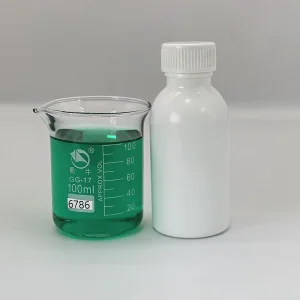
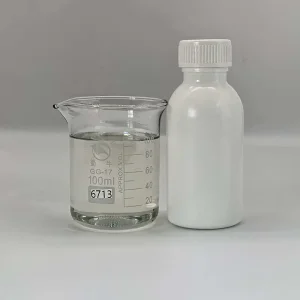
In the modern manufacturing landscape, industrial metal finishing processes face demanding performance criteria. Components used in automotive engineering, heavy machinery, power transmission, and marine environments must withstand severe chemical exposure and environmental stress. Traditional pure zinc electroplating coatings struggle to prevent red rust under high thermal and mechanical strain. This has accelerated the transition toward zinc-nickel alloy electroplating.
An alkaline zinc-nickel alloy coating containing 12% to 15% nickel content delivers exceptional barrier protection, sacrificial action, and mechanical wear resilience. This white paper reviews the structural chemistry of zinc-nickel baths, examines how Chinese manufacturing supply chains ensure batch consistency, and details global compliance pathways (REACH, RoHS, ELV) alongside localized engineering application scenarios.
The deposition of zinc-nickel alloys requires precise control over the ionic ratios of zinc and nickel in the electroplating bath. Alkaline formulations (such as our high-performance 6185 Alkaline Zinc-Nickel Plating chemistry) are favored over acid formulations for complex geometries. They provide outstanding throwing power, ensuring uniform thickness and alloy distribution across high-current and low-current density areas.
Controlling the co-deposition process is essential: zinc and nickel have widely differing standard electrode potentials (Zn²⁺/Zn is -0.76V vs. SHE; Ni²⁺/Ni is -0.25V vs. SHE). In a simple solution, nickel deposits preferentially. Alkaline zinc-nickel chemistry utilizes specialized organic complexing agents (primarily aliphatic amines and alkanolamines) to shift the deposition potential of nickel. This allows the co-deposition of an optimal γ-phase alloy structure containing 12% to 15% nickel.
The alloy remains anodic to steel substrates, preventing galvanic corrosion even if the coating is compromised.
Maintains corrosion resistance up to 300°C, making it suitable for automotive engine compartments.
Minimizes hydrogen absorption in high-strength steel substrates during electrodeposition.
Selecting a global supplier for zinc-nickel plating solutions involves assessing raw material accessibility, chemical synthesis capabilities, and infrastructure scalability. China-based manufacturers are well-integrated into the global industrial supply chain.
Global procurement managers must verify that chemistry suppliers comply with international environmental and safety standards.
Eliminating Hexavalent Chromium (Cr⁶⁺): In response to the EU's End-of-Life Vehicles (ELV) Directive and REACH regulations, manufacturers have transitioned from hexavalent passivations to trivalent passivations. Utilizing trivalent passivations like ZN-318 Blue Trivalent Zinc-Nickel Passivation or 216 High Corrosion-resistant Iridescent Trivalent Passivation allows companies to meet strict corrosion requirements without using hazardous Cr⁶⁺ chemistry.
Cyanide-Free Formulations: Traditional copper and zinc plating processes historically relied on cyanide-based baths for adhesion. Modern alternatives, such as the 8315 Alkaline Cyanide-free Bright Zinc Plating and 372 Alkaline Cyanide-Free Copper Plating, have replaced toxic cyanide chemistries, simplifying wastewater treatment and enhancing safety on the plating line.
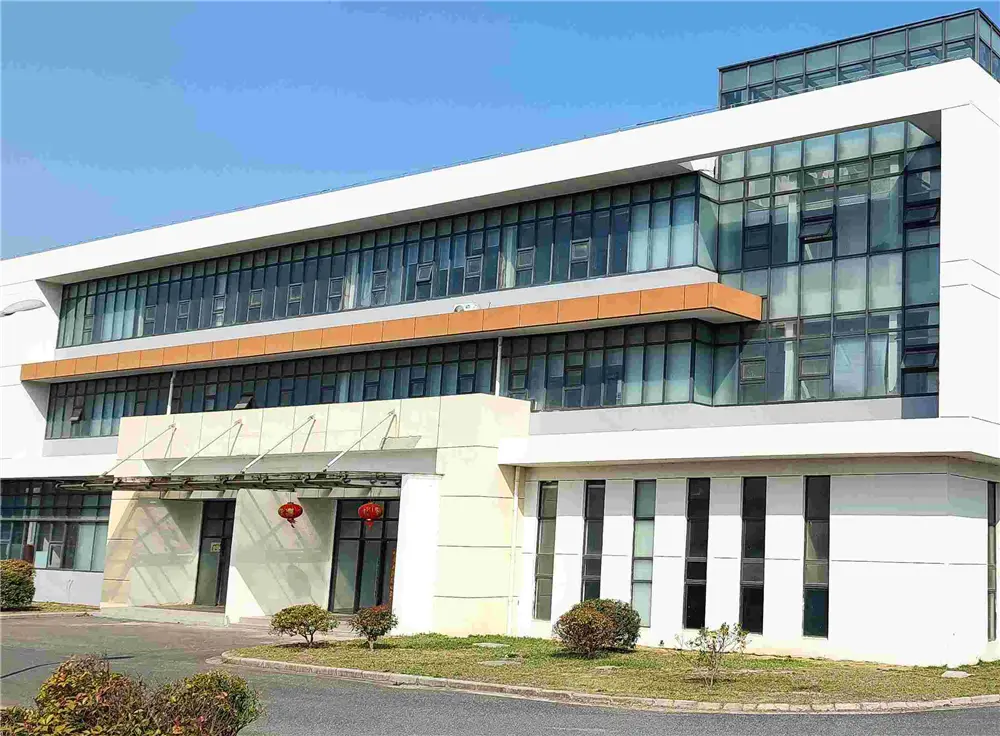
SUZHOU HIYIE CHEMICAL CO., LTD. supplies organic products and surface finishing additives for consumer electronics, telecommunications, semiconductor manufacturing, automotive hardware, and structural steel components.
Partnering with industrial companies and academic research institutions, the company operates dedicated R&D facilities in Wuhan and Shanghai. Our sales and technical service networks cover the Pearl River Delta, Yangtze River Delta, and Bohai Rim regions. HIYIE's chemical technologies are utilized by manufacturers globally, including brands such as Foxconn Technology Group, Qinghai Salt Lake Group, Chint Group, Hongbao Group, Stanley Group, and Shifeng Group.
Learn More About UsExpert guidance on maintaining bath chemistry, controlling nickel deposition ratios, and optimizing corrosion performance.
The corrosion resistance of the zinc-nickel alloy is directly related to its phase structure. An alloy containing 12% to 15% nickel forms a single γ-phase (gamma-phase) crystal structure, which provides the best combination of sacrificial protection and low corrosion rates. If the nickel content drops below 12%, the coating behaves similarly to a standard zinc layer, leading to early corrosion. If it exceeds 15%, the coating can become brittle, crack during post-plating forming, and lose its sacrificial protection properties relative to steel.
This issue typically points to an imbalance in the organic complexing agents or the zinc-to-nickel ratio in the bath. Because zinc deposits more easily in low-current density areas, sufficient complexing agent must be present to control the deposition rate. Adjusting the complexor concentration, monitoring the bath temperature (maintaining it within 23°C to 28°C), and keeping the zinc-to-nickel concentration ratio in the bath close to 10:1 (typically 10 g/L Zn to 1-1.2 g/L Ni) will help maintain uniform alloy distribution.
Alkaline zinc-nickel baths are highly effective for complex geometries due to their throwing power. The resulting coating thickness is uniform across recesses, internal threads, and flat surfaces. Acid zinc-nickel systems offer higher plating speeds and efficiency, but their throwing power is lower, which can result in excessive buildup on edges and thin coverage in recessed areas. Alkaline baths also yield a more ductile coating with lower internal stress, reducing the risk of micro-cracks.
While the electrodeposited zinc-nickel alloy layer provides barrier and sacrificial protection, applying a trivalent chromium passivation (such as our ZN-318 or 216 passivation chemistry) seals the alloy surface. The trivalent chromium creates a passive film that resists oxidation, delaying the onset of white rust. Adding specialized silica sealers can further improve the chemical resistance of the passivated layer.
Hydrogen embrittlement is a key concern for high-strength steels (tensile strength ≥ 1000 MPa). During electroplating, hydrogen ions co-deposit at the cathode and diffuse into the metal lattice. To manage this risk: 1) Use alkaline cyanide-free zinc-nickel baths, which exhibit lower hydrogen absorption rates than acid systems; 2) Perform post-plate baking (typically at 200°C for 4 hours) within 4 hours of plating, prior to applying any passivation, to release trapped hydrogen.
Stay informed about Suzhou Hiyie Chemical Co., Ltd.'s operations, technical milestones, and seasonal holidays.

The Snake ushers in blessings as we bid the old year farewell; The Horse brings spring as we embark on a new journey. The New Year bell rings the prelude to progress, and Hiyie Chemical remains focused on delivering high-performance electroplating technologies globally.
A comprehensive overview of our functional coatings, designed to meet industrial specifications for electronic connections, industrial fasteners, and automotive applications.
 HIYIE
HIYIE