Advanced electroplating additives, trivalent passivations, and alloy chemistry engineered for demanding applications.
Modern manufacturing faces strict criteria regarding atmospheric, chemical, and galvanic corrosion. Traditional electrolytic zinc coatings, while historically sufficient, often fail to meet the performance parameters defined by contemporary automotive and industrial designers. Standard zinc coatings undergo rapid sacrificial dissolution, leading to the formation of voluminous white corrosion products (zinc oxides/hydroxides) that can lock up moving parts and degrade components.
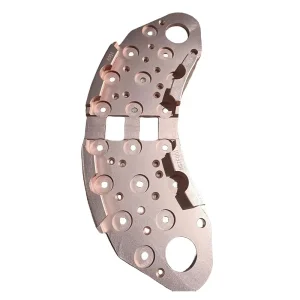
To address this, Zinc-Nickel alloy treatments deposit a homogeneous matrix of approximately 12% to 15% Nickel (Ni) content, balanced with Zinc. This specific composition stabilizes the **γ (gamma) phase** of the alloy structure (Ni3Zn22). The gamma-phase crystal lattice exhibits a unique open structure that optimizes electrochemical activity. It is significantly less active than pure zinc, thereby drastically slowing the sacrificial corrosion rate, yet remains sufficiently electronegative relative to iron substrates. This guarantees targeted cathodic protection without the rapid self-consumption typical of basic zinc coatings.
Furthermore, when exposed to corrosive environments, Zn-Ni alloys build a thin, complex, and highly stable barrier oxide layer of zinc-nickel carbonate. This barrier hinders the passage of oxygen and chloride ions to the base steel. Consequently, standard neutral salt spray tests (NSS / ASTM B117) regularly demonstrate corrosion resistance exceeding **1,000 to 1,500 hours** before the appearance of red rust on components protected by high-quality Zn-Ni treatments.
From a macro industrial perspective, the global surface finishing sector is undergoing a profound structural transition. Driven by international environmental accords and strict national regulations—such as Europe's REACH directive, RoHS 3.0, and the US Environmental Protection Agency's (EPA) Clean Air Act—industrial coaters are abandoning hexavalent chromium (Cr VI) and cyanide-based processes.
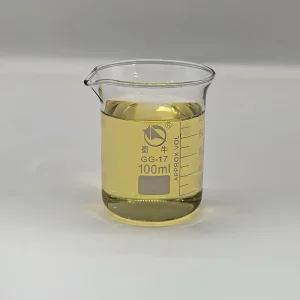
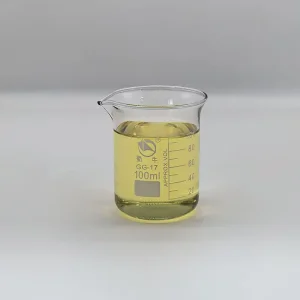
As a premier manufacturer based in China, Suzhou Hiyie Chemical Co., Ltd. has prioritized this green transition. Historically, cyanide was utilized as a powerful chelating agent to ensure uniform thickness and exceptional adhesion. Our latest formulations, such as the 8315 Alkaline Cyanide-free Bright Zinc Plating and the ZN-318 Blue Trivalent Zinc-Nickel Passivation, successfully bypass these hazardous elements. By utilizing advanced organic complexing agents, these chemical systems produce consistent microcrystalline deposits and outstanding adhesion profiles while meeting strict global environmental and chemical management protocols.
Hours Salt Spray Resistance
Cyanide-Free Formulations
Global Industrial Partners
Compliant Chemistry
A comparative overview of our premium alloy and plating chemistries versus standard configurations.
| Plating / Chemical Chemistry | Alloy Composition | Corrosion Resistance (ASTM B117) | Key Application Focus | Compliance & Environmental Status |
|---|---|---|---|---|
| 6185 Alkaline Zinc-Nickel Plating | 12 - 15% Ni, Bal. Zn | 1000 - 1500 Hrs (No Red Rust) | Automotive chassis, fasteners, brackets | Fully REACH & RoHS compliant |
| 8315 Alkaline Cyanide-free Zinc | Pure Zn (Cyanide-free) | 240 - 480 Hrs (with passivation) | General machinery components, hardware | Eco-friendly, Zero-cyanide discharge |
| J0-1 Ultra-Low Phosphorus Electroless Nickel | 1 - 3% P, Bal. Ni | Excellent Wear & Hardness | Semiconductor tools, high-wear electronics | RoHS / Lead & Cadmium free |
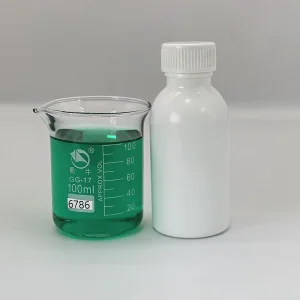
| HITEC EN 6786 High Phosphorus Electroless Nickel | 10 - 12% P, Bal. Ni | 700+ Hrs (highly acidic environments) | Oil & Gas valves, chemical process lines | Superior chemical resistance |
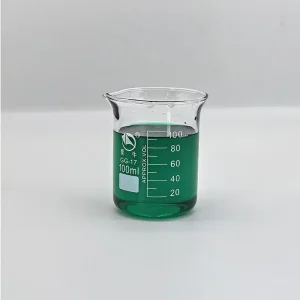
| ZN-318 Blue Trivalent Zn-Ni Passivation | Trivalent Chromium Barrier | Enhanced protection over alloy layers | Automotive & industrial assembly hardware | Cobalt-free, Hex-free solution |
SUZHOU HIYIE CHEMICAL CO., LTD is a prominent manufacturer and supplier specializing in high-end, environmentally friendly organic chemicals, surface finishing additives, and specialized plating formulations. Our extensive product portfolio serves high-precision sectors including consumer electronics, automotive hardware, communication equipment, the semiconductor industry, and craft gifts.
In collaboration with domestic and foreign chemical enterprises and academic institutions, we operate a mobile R&D center designed to address technical challenges in the surface finishing field. With dedicated R&D facilities established in Wuhan and Shanghai, our sales and technical support networks cover the Pearl River Delta, Yangtze River Delta, and Bohai Rim regions.
Over the years, our solutions have been integrated into the supply chains of global brands and industrial groups, including Foxconn Technology Group, Qinghai Salt Lake Group, Chint Group, Hongbao Group, Stanley Group, Shifeng Group, and others. We are committed to helping our clients improve performance, meet environmental regulations, and achieve operational efficiency.
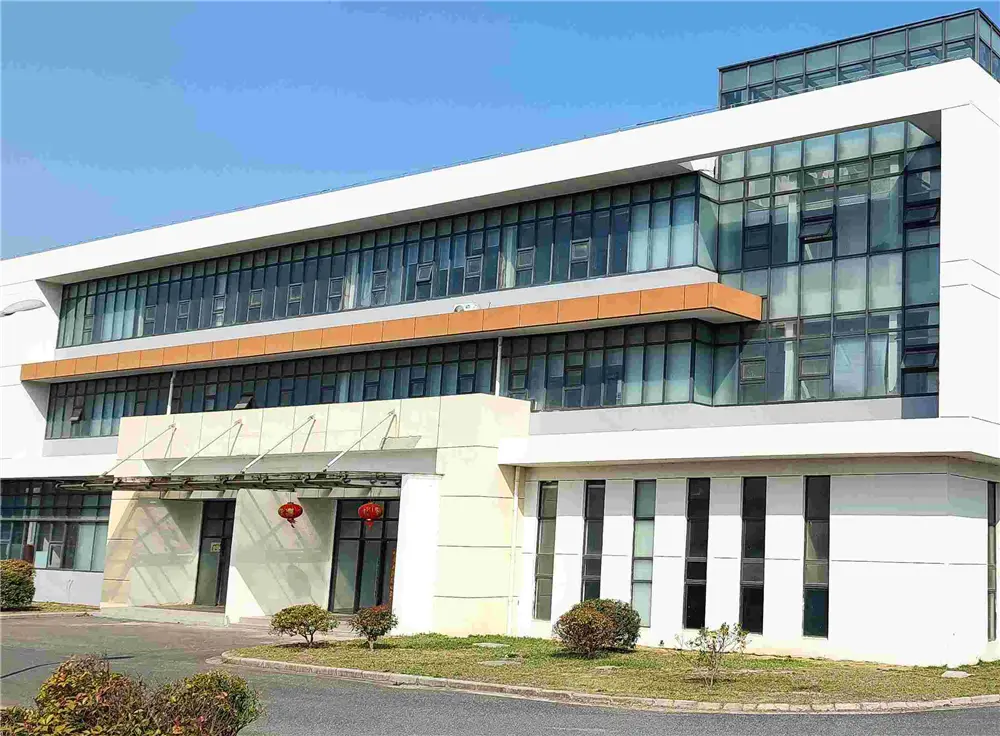
How we ensure quality, reliability, and regulatory compliance for our global customer base.
Our team includes electroplating specialists, material scientists, and application engineers. We work closely with customers to optimize bath chemistry and troubleshoot process challenges.
With research centers in Shanghai and Wuhan, we develop custom organic complexing agents, brighteners, and passivations tailored to specific client substrates and equipment.
Our focus is on developing high-performance, environmentally responsible chemistry. We specialize in cyanide-free systems, trivalent passivations, and cobalt-free conversions.
From initial bath design and commissioning to routine analytical testing and line maintenance, our support team helps keep your production lines running efficiently.
Industrial electroplating of Zinc-Nickel alloys generally utilizes either acid (weakly acidic ammonium/potassium chloride) or alkaline (sodium hydroxide-based) chemical baths. Selecting the correct chemistry is critical to achieving the desired physical properties of the finished coating:
Alkaline Zn-Ni Systems (e.g., Hiyie 6185): These baths are chosen for their excellent throwing power and thickness distribution across complex parts. In alkaline chemistry, organic complexing agents control the reduction potential of nickel and zinc ions, ensuring a consistent alloy composition (12–15% Ni) even in low-current density areas (like inner threads and recesses). Furthermore, alkaline processes minimize hydrogen embrittlement in high-strength steels, reducing the risk of sudden mechanical failure in critical structural fasteners.
Acidic Zn-Ni Systems: Acidic baths offer high current efficiency (typically 85-95%) and fast deposition rates. However, they struggle with thickness uniformity on complex geometries, and nickel co-deposition can vary across high- and low-current areas. For complex shapes, alkaline Zn-Ni chemistry remains the industry standard.
Surface finishing requirements vary significantly by industry sector, driving the need for tailored chemical solutions:
The next generation of surface finishing chemistry will be shaped by environmental compliance and functional optimization:
Transition to Cobalt-Free Passivations: Cobalt salts are widely used as stabilizers in trivalent chromium passivations. However, due to health concerns, the industry is transitioning to cobalt-free formulations. Suzhou Hiyie's R&D team is actively developing next-generation passivations that maintain corrosion resistance without cobalt.
Alloy Co-deposition Developments: We are researching the addition of nano-particles (like silica or silicon carbide) into the Zn-Ni alloy matrix to create composite coatings with improved hardness and wear resistance for high-stress applications.
Smart Process Monitoring: We are designing chemistry that integrates with automated, real-time dosing systems, helping operators maintain optimal bath concentrations and minimize chemical waste.
Answers to common questions about Zinc-Nickel alloys, chemical bath maintenance, and troubleshooting.
At this composition, the alloy forms the γ (gamma) phase (Ni3Zn22). This phase offers the best balance of corrosion resistance, minimal self-corrosion, and effective sacrificial protection for steel. Lower nickel content leads to a less stable phase mix, while higher nickel content reduces the coating's sacrificial protection capability.
Traditional plating used sodium cyanide as a chelator to help dissolve metal ions and control deposition. Cyanide-free systems, such as our 8315 Alkaline Cyanide-free Bright Zinc Plating, use organic complexing agents instead. This simplifies wastewater treatment and reduces workplace safety hazards.
Dull or burnt deposits are often caused by low levels of brighteners, high bath temperatures, or excessive current density. Adjusting the additives and checking bath parameters usually resolves the issue.
Yes. Modern trivalent passivations, such as ZN-318, utilize thick-film chemistries combined with silicon-based sealers. This combination provides corrosion resistance that matches or exceeds traditional hexavalent chromium coatings without the regulatory compliance issues.
Electroless nickel deposits a uniform layer across complex geometries without requiring electrical current, making it ideal for deep recesses, internal bores, and intricate shapes. It also provides excellent wear resistance and hardness, especially in low-phosphorus formulations like our J0-1.
Alkaline Zn-Ni plating features high current efficiency and a uniform deposition rate, which limits hydrogen absorption. For high-tensile components, post-plate baking (typically at 200°C for 4 hours) is recommended to relieve absorbed hydrogen.
Most additives and concentrates have a shelf life of 12 months when stored in original sealed packaging, away from direct sunlight, in temperature-controlled conditions between 5°C and 35°C.
The ratio is maintained by using separate zinc and nickel replenishers, along with regular analysis via atomic absorption spectroscopy (AAS) or EDTA titration, to ensure consistent alloy distribution.
Yes. All our new-generation products are formulated to comply with European REACH SVHC list requirements, ELV directives, and RoHS 3.0, helping our clients access international markets.
We provide full startup support, including bath design, equipment recommendations, operator training, and analytical support from our R&D centers in Shanghai and Wuhan.
A comprehensive range of specialized surface finishing formulations for global industrial supply chains.
 HIYIE
HIYIE