 HIYIE
HIYIE


The Evolution of Carburetor Zinc Plating: Advanced Surface Engineering
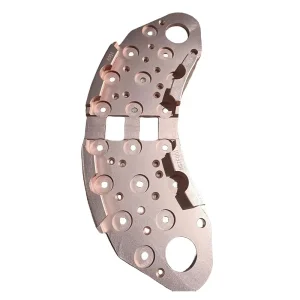
Carburetors remain critical flow-control assemblies for small engines, motorcycles, marine vessels, and agricultural machinery. Because carburetors operate under constant exposure to volatile fuels, atmospheric moisture, corrosive combustion byproducts, and thermal stress, their structural substrates (often die-cast aluminum or zinc alloys) require highly engineered protective coatings. Zinc electroplating, modified with co-deposited alloys and sophisticated passivation layers, acts as a primary barrier against oxidation, preventing premature component failure and optimizing fuel induction efficiency.
1. Global Procurement Demands: Carburetor Plating Requirements
Global procurement divisions within the automotive and power equipment markets demand surface coatings that satisfy strict mechanical and chemical standards. Historically, standard zinc electroplating offered sacrificial protection, but today's aggressive fuels—especially ethanol-blended gasolines—readily degrade traditional coatings. Modern procurement specifications dictate three major performance requirements:
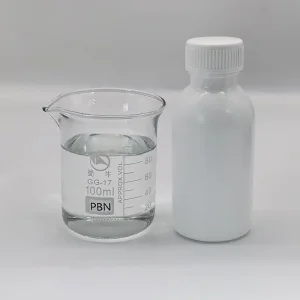
Superior Micro-Throwing Power: Carburetors contain complex internal fuel pathways, venturi circuits, and needle valves. Standard plating baths fail to deposit uniform coatings inside these deep recesses, leaving internal channels vulnerable to localized corrosion. Advanced alkaline cyanide-free zinc plating formulations, such as the HIYIE 8315 system, deliver excellent current distribution, ensuring uniform coverage inside complex geometries without requiring excessive thickness on external edges.
Corrosion Resistance and Salt Spray Standards: Components must withstand extended exposure to marine environments, road salts, and humid storage conditions. Modern industry specifications require zinc-plated carburetors to endure upwards of 120 hours to white rust and 480 to 1000 hours to red rust in Neutral Salt Spray (NSS) testing per ASTM B117 standards. Achieving these milestones relies on advanced passivation systems, such as our 216 High Corrosion-Resistant Iridescent Trivalent Zinc Passivation.
Hydrogen Embrittlement Mitigation: During electrodeposition, atomic hydrogen can penetrate steel fasteners, throttle shafts, and springs associated with carburetor assemblies, leading to catastrophic failure under stress. High-performing plating chemistries minimize cathodic hydrogen evolution, and post-plate baking cycles are optimized to preserve component structural integrity.
2. Technical Roadmap & Future Outlook: Zinc Plating and Alloy Alternatives
The surface finishing industry is undergoing a transition driven by regulatory limits and demanding performance criteria. Our technical roadmap focuses on three primary fields of innovation:
Trivalent Chromate Chemistry: The transition from hexavalent chromium (Cr6+) to trivalent chromium (Cr3+) is complete across most tier-1 supply chains. Future formulations focus on self-healing trivalent passivates that utilize nanoparticles to migrate and seal micro-fractures, matching the corrosion performance of hexavalent systems.
Zinc-Nickel (Zn-Ni) Alloy Coatings: Zinc-nickel electroplating (co-depositing 12% to 16% nickel with zinc) represents a major advancement in corrosion protection. Zn-Ni coatings, such as our 6185 Alkaline Zinc-Nickel Plating bath, provide outstanding barrier and sacrificial protection. They operate at high temperatures (up to 200°C) without losing protective properties, making them suitable for engine compartments.
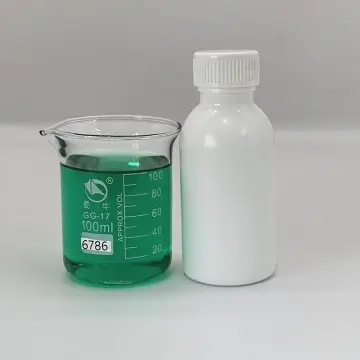
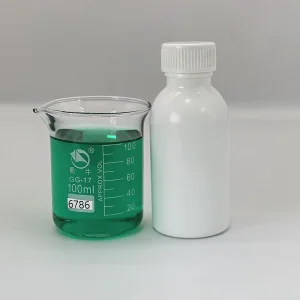
Electroless Nickel (EN) Integration: For components facing extreme friction and chemical exposure, manufacturers rely on high-phosphorus electroless nickel coatings like HITEC EN 6786. The electroless deposition process ensures uniform coating thickness across all surfaces, regardless of geometry, while providing high wear resistance.
3. Macro-Industry Solutions: Sector-Specific Implementations
Surface finishes must be tailored to their specific operating environments. We design customized chemical systems to address the challenges of diverse industries:
- Automotive & Commercial Fleets: High-temperature stability, resistance to road chemicals, and compatibility with automated assembly lines. Our zinc-nickel alloy plating and high-durability trivalent sealers provide long-term reliability.
- Marine & Coastal Machinery: Extreme resistance to sodium chloride and high humidity. We recommend thick-film trivalent passivation systems combined with specialized organic topcoats to prevent galvanic corrosion between aluminum carburetor bodies and steel components.
- Small Off-Road Engines (SORE): Cost-effective, high-volume production for lawnmowers, chainsaws, and portable generators. Alkaline bright zinc systems combined with blue or iridescent passivates offer reliable protection at competitive price points.
4. China Factory 4.0: Supply Chain Resilience and Manufacturing Advantages
As a reliable manufacturer based in China's industrial chemical hubs, HIYIE Chemical integrates Factory 4.0 methodologies to support global supply chains:
Automated Process Monitoring: Modern plating lines rely on precise chemical balance. Our smart chemical dosing systems use automated titration and online monitoring to keep bath parameters—such as brightener concentration, metal ratios, and pH—within tight tolerances. This reduces batch-to-batch variation and minimizes coating defects.
Raw Material Security & Vertical Integration: Our partnerships with domestic chemical suppliers and direct procurement networks stabilize raw material access. This helps protect our global clients from market volatility, ensuring consistent product availability and steady lead times.
5. Localization Support & Global Regulatory Compliance
Operating in international markets requires strict compliance with complex regulatory frameworks. HIYIE Chemical ensures all products and processes align with global environmental mandates:
RoHS and REACH Compliance: We formulation our plating additives, passivates, and accelerators to exclude restricted substances like lead, cadmium, mercury, and hexavalent chromium, enabling seamless export to Europe, North America, and Japan.
Global Technical Service: We provide comprehensive technical support, including bath conversion assistance, waste treatment consultation, and troubleshooting for plating defects. Our localized support helps clients maintain process stability and minimize downtime.