Explore our leading anti-corrosion chemical formulations engineered to exceed international industrial standards.
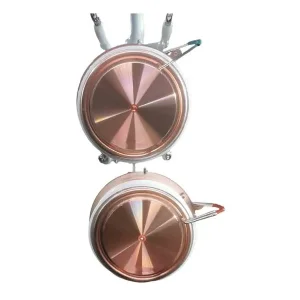
Excellent throwing power and high-speed deposition for functional copper undercoating.
Learn More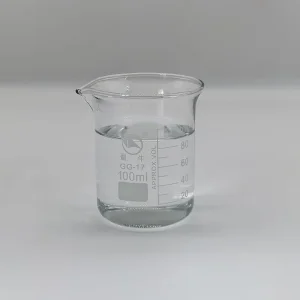
Sulfur-free formulation offering superb ductility and high corrosion resistance.
Learn More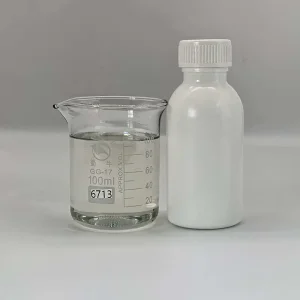
Provides balanced wear resistance and uniform thickness without electrical power.
Learn More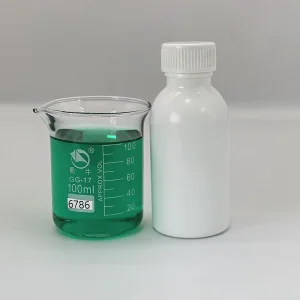
Outstanding chemical resistance and non-magnetic property for high-end applications.
Learn More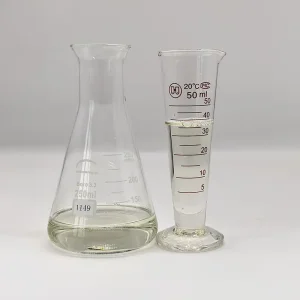
Specifically developed for bulk metal components, ensuring high luster and coverage.
Learn More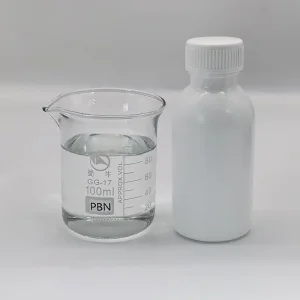
Produces an elegant satin matte finish ideal for premium consumer hardware.
Learn More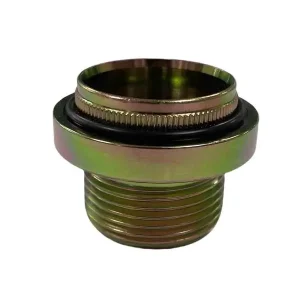
Eco-friendly trivalent conversion film showing exceptional salt spray test results.
Learn More
Synergistic formulation designed specifically for high-durability zinc-nickel layers.
Learn MoreZinc electroplating represents a critical electrochemical process designed to safeguard metallic substrates—primarily iron and steel—from severe atmospheric oxidation and structural degradation. The technique relies on the cathodic deposition of metallic zinc from an aqueous bath, creating a sacrificial barrier. Under corrosive conditions, the zinc layer acts as a galvanic anode, oxidizing in place of the base steel substrate. This electrodeposited layer is typically coupled with chromate or trivalent conversion coatings (passivation) to drastically retard the formation of white rust (zinc oxide) and red rust (iron oxide).
In electrochemistry, the sacrificial protection efficiency of Zinc coatings is dictated by the standard reduction potential of Zn (-0.76V vs SHE) relative to Fe (-0.44V vs SHE). This thermodynamic differential forces the zinc layer to oxidize preferentially, ensuring cathodic protection even if minor scratches expose the underlying steel.
Standard zinc electroplating processes are generally categorized by the pH and chemistry of the electrolyte bath: Acid Zinc systems and Alkaline Cyanide-Free systems. Acid zinc plating, operating on chloride or sulfate matrices, provides high cathode efficiency (95-98%) and exceptional brightness but exhibits lower throwing power. Conversely, Alkaline Cyanide-Free Zinc formulations, such as the 8315 Alkaline Cyanide-free Bright Zinc Plating system, present excellent thickness distribution (throwing power), reducing the risk of over-plating on sharp edges and high-current-density zones while offering a non-toxic environment for operators.
As industrial expectations rise, conventional pure zinc coatings often fall short in high-thermal or high-stress environments. This gap is bridged by Zinc-Nickel (Zn-Ni) alloy electroplating. Typically yielding a deposit containing 12-16% nickel, Zn-Ni coatings present a gamma-phase crystal structure that exhibits up to ten times the corrosion resistance of pure zinc. By implementing solutions like the 6185 Alkaline Zinc-Nickel Plating bath, manufacturers achieve uniform alloy distribution, making components capable of surviving over 1,000 hours of neutral salt spray testing (ASTM B117) without red rust formation, satisfying stringent automotive standards such as Ford WSS-M21P17 or GM GMW3044.
Explore our major chemical engineering categories through their actual industrial coatings.
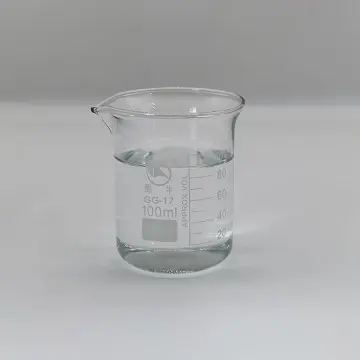
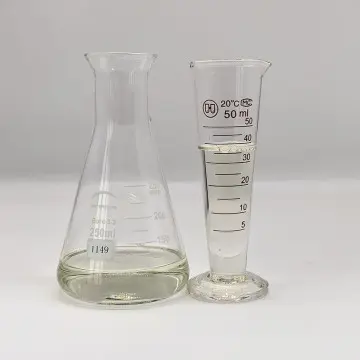
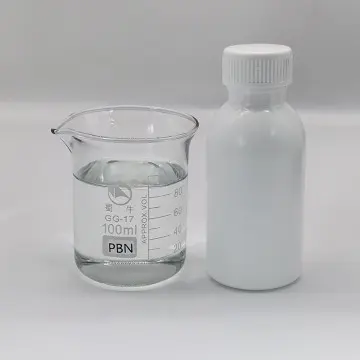
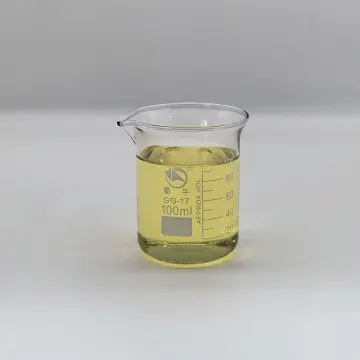
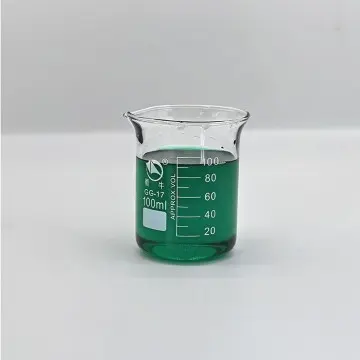
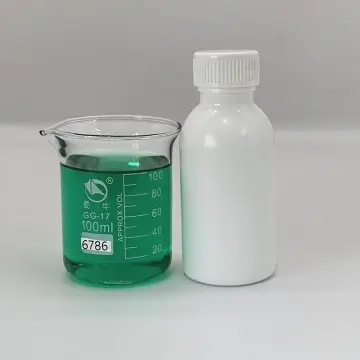
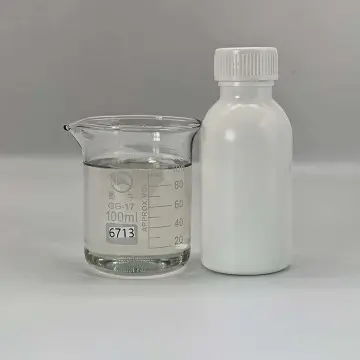
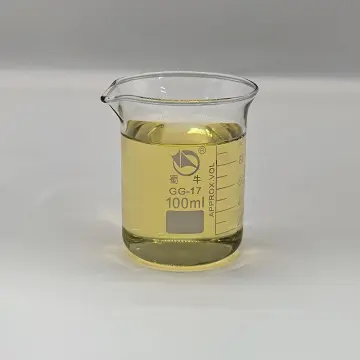
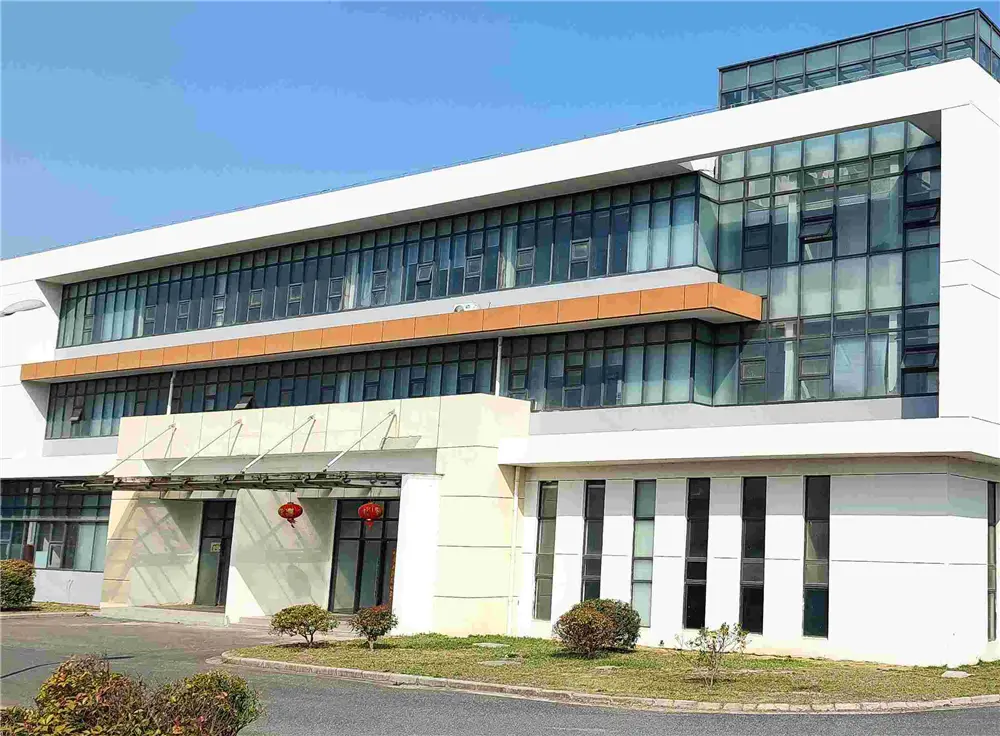
SUZHOU HIYIE CHEMICAL CO., LTD. boasts a product portfolio covering consumer electronics, communication equipment, semiconductor industries, automotive hardware, craft gifts, and beyond. Collaborating with multiple domestic and foreign chemical enterprises and academic institutions, the company established a highly agile, mobile R&D center dedicated to overcoming core challenges in surface finishing.
Since its inception, HIYIE has founded advanced R&D institutes in Wuhan and Shanghai, positioning its marketing network across the Pearl River Delta, Yangtze River Delta, and Bohai Rim. Our products have earned recognition from industrial powerhouses such as Foxconn Technology Group, Qinghai Salt Lake Group, Chint Group, Hongbao Group, Stanley Group, and Shifeng Group, building a solid global footprint.
The global surface treatment industry has undergone a monumental shift due to environmental mandates like RoHS (Restriction of Hazardous Substances), REACH (Registration, Evaluation, Authorisation and Restriction of Chemicals), and WEEE directives. Historically, hexavalent chromium (Cr VI) passivation was the standard for zinc coatings due to its self-healing capabilities and corrosion inhibition. However, due to its classification as a human carcinogen and environmental hazard, modern industrial manufacturing has transitioned to trivalent chromium (Cr III) alternatives.
Trivalent conversion coatings, such as our 216 High Corrosion-resistant Iridescent Trivalent Zinc Passivation, deposit a thin, complex film of trivalent chromium hydroxides and zinc oxides. Under advanced chemical formulations, these trivalent coatings match or exceed the corrosion resistance of hexavalent counterparts. Crucially, when paired with high-performance topcoats, trivalent passivated zinc parts can withstand harsh thermal cycling (up to 120°C or 150°C) without losing barrier efficacy, resolving a major limitation of older systems.
To optimize mechanical and electrochemical properties, modern metal finishing operations often deploy multi-layer deposition coatings. For example, applying a bright copper layer using the 372 Alkaline Cyanide-Free Copper Plating bath provides an ultra-ductile undercoat that seals microscopic substrate pores. This is frequently followed by nickel electrodeposition using systems like FS100 Semi-Bright Nickel Plating or 31685 Rapid Brightening Nickel Plating to build hardness and reflectivity. Finally, a functional zinc-nickel or zinc passivation layer is applied, achieving a balanced, robust composite shield that meets the structural demands of high-end consumer electronics and aerospace engineering.
Discover how our core competencies deliver measurable advantages to global supply chains.

Our dedicated team of electrochemical engineers and sales professionals supports customers across global territories, ensuring rapid onboarding and troubleshooting.

Collaborative labs in Wuhan and Shanghai tailor specific bath additives, matching precise customer performance metrics and line conditions.

Pioneering cyanide-free and trivalent passivations that reduce hazardous wastewater treatment costs while maintaining OEM-level protection.

We provide full-lifecycle technical support, from initial bath configuration and Hull Cell analysis to batch maintenance and global logistics.
For international buyers and procurement directors, securing a consistent supply of electroplating additives requires adherence to strict quality control matrices. Key metrics like chemical purity, bath stability, and compatibility with automated dosing systems must be verified.苏州海意化学 (Suzhou Hiyie Chemical) operates under ISO 9001 quality management guidelines to ensure batch-to-batch consistency. Our plating concentrates and carrier additives, such as Chrome Plating Carrier 105, undergo strict high-performance liquid chromatography (HPLC) and atomic absorption spectroscopy (AAS) testing prior to dispatch.
We package products in heavy-duty, UN-approved high-density polyethylene (HDPE) containers, preserving formulation chemistry during long-distance maritime freight. Leveraging domestic supply hubs in the Yangtze River Delta and close proximity to major ports in Shanghai and Ningbo, we offer optimized shipping lead times, customs clearance assistance, and complete GHS-compliant Safety Data Sheet (SDS) documentation to avoid customs bottlenecks.
A critical challenge during the electrodeposition of zinc on high-strength steels (tensile strength ≥ 1000 MPa) is hydrogen embrittlement. During the cathodic reaction, atomic hydrogen is generated and absorbed into the steel's grain boundaries. Under load, this leads to sudden brittle failure. Suzhou Hiyie addresses this risk by engineering formulations with high cathode efficiency, reducing hydrogen co-deposition, and advising clients on strict hydrogen embrittlement relief baking protocols (baking within 4 hours post-plating at 190°C - 220°C for up to 24 hours depending on the part geometry) to ensure maximum safety for structural aerospace and automotive fasteners.
Expert answers to common engineering and procurement questions regarding Zn electroplating.

The Snake ushers in blessings as we bid the old year farewell; The Horse brings spring as we embark on a new journey. The New Year bell rings the prelude to progress. We thank all our international partners, clients, and team members for supporting Suzhou Hiyie's journey toward sustainable electrochemistry.
Read Full ArticleOptimized surface treatment solutions for various metal finishing environments.
Fast deposition and leveling properties, designed to reduce production cycle times.
Learn More
Provides maximum deposit hardness and wear resistance in highly abrasive environments.
Learn More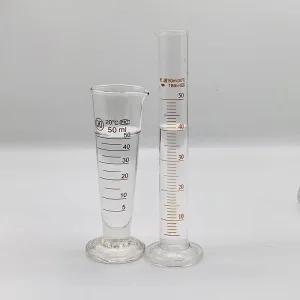
Automotive-grade zinc-nickel chemistry offering high-temperature corrosion protection.
Learn More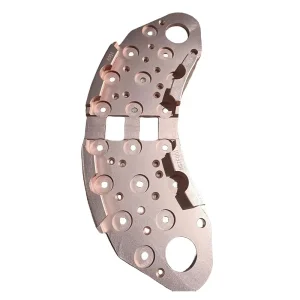
An environmentally friendly copper plating solution with excellent adhesion properties.
Learn More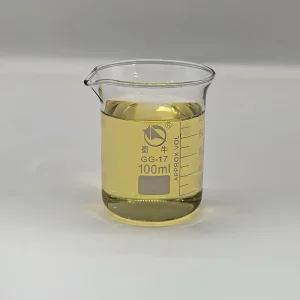
Cyanide-free formulation with superb thickness distribution and high luster.
Learn More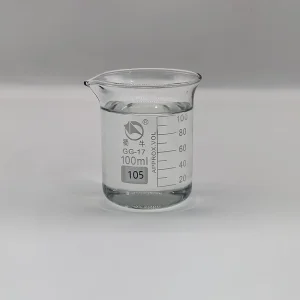
Specialized organic carrier agent ensuring mist suppression and bath stability.
Learn More
Trivalent passivate option for thick-film iridescent conversion coatings.
Learn More
Provides a bright blue aesthetic while maintaining alloy anti-corrosion properties.
Learn More HIYIE
HIYIE