Explore our primary range of electroplating additives, trivalent passivations, and specialty alloys optimized for high throw, structural integrity, and exceptional resistance to cyclic environmental degradation.
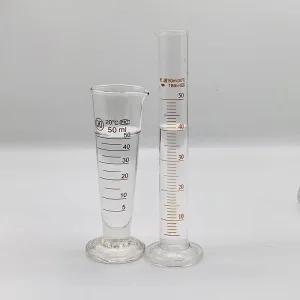
Delivers a uniform 12-16% nickel alloy distribution across complex geometries, guaranteeing over 1000 hours of neutral salt spray resistance.
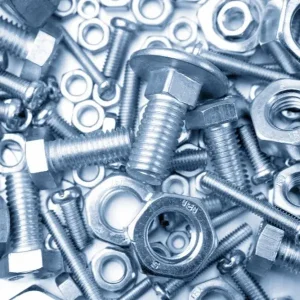
High-performance trivalent chromium passivate designed to generate a robust blue protective film over Zn-Ni deposit layers.
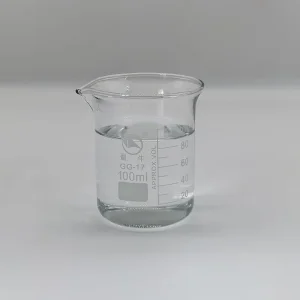
Formulated for sulphur-free nickel layers with excellent ductility and levelling power for multi-layer nickel configurations.
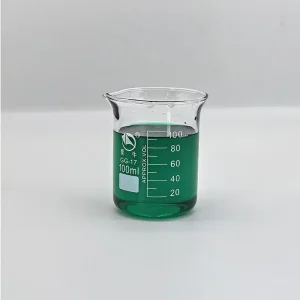
Provides ultimate hardness (up to 700 HV) and exceptional alkaline resistance, ideal for severe wear and friction applications.
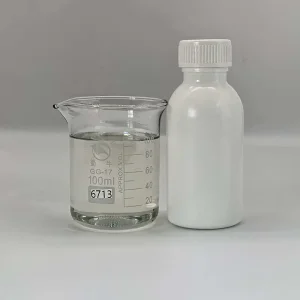
Medium phosphorus electroless nickel plating system providing stable deposition rates and balanced wear/corrosion protection.
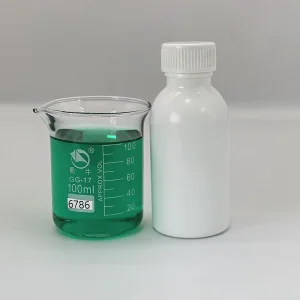
Engineered for extreme acidic environments. Deposits a highly amorphous alloy film containing 10.5-12% phosphorus.
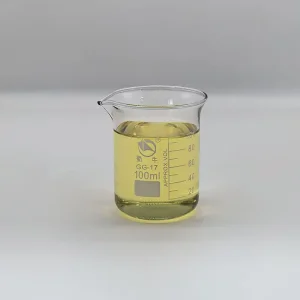
High-speed brightening additive system that yields mirror-like reflections quickly in industrial nickel setups.
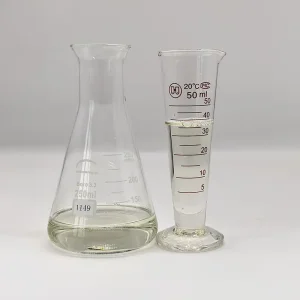
Optimized for high-volume barrel configurations, offering outstanding mechanical stability and brilliant deposition uniformity.
Zinc-Nickel (Zn-Ni) alloy coating represents the modern benchmark for cathodic protection of ferrous substrates. By co-depositing Nickel with Zinc in a controlled phase balance—specifically targeted at 12% to 16% Nickel content by weight—the coating adopts a stable $\gamma$-phase (gamma-phase) intermetallic crystalline structure ($Ni_5Zn_{21}$).
This specific $\gamma$-phase delivers several critical physical improvements over traditional zinc coatings:
When the nickel content drops below 12%, the deposit behaves like a simple two-phase mixture ($\eta + \gamma$), reducing corrosion resistance drastically. Conversely, exceeding 16% nickel content renders the coating nobler, which can shift the sacrificial mechanism away from the steel substrate, leading to localized pitting. SUZHOU HIYIE CHEMICAL's 6185 Alkaline Zinc-Nickel Plating bath maintains this tight 12-16% window reliably, even at high current densities.
To achieve proper adhesion and layer uniformity, plating line configuration must align with the physical complexity and metallurgy of the raw substrate.
Commonly chosen for highly contoured, threaded, or complex parts. Alkaline formulations like our 6185 system provide exceptional throwing power, resulting in uniform thickness across recessed areas and threads. This uniform thickness is critical for automotive threaded fasteners, preventing dimensional out-of-tolerance issues while maintaining corrosion protection.
Characterized by high current efficiency (up to 95%) and superior plating speeds, making them ideal for simple geometries, steel wires, pipes, and castings. Acid baths allow direct plating onto difficult substrates like cast iron, as the acid chemistry prevents substrate passivation and yields bright coatings.
Electroplated Zn-Ni coatings require post-treatment passivation to maximize corrosion resistance. Trivalent chromium passivates, such as our ZN-318 Blue Trivalent Zinc-Nickel Passivation, react with the alloy deposit to form a stable chromium-zinc oxide barrier layer. This prevents white rust formation and extends the life of the primary sacrificial zinc-nickel alloy underneath.
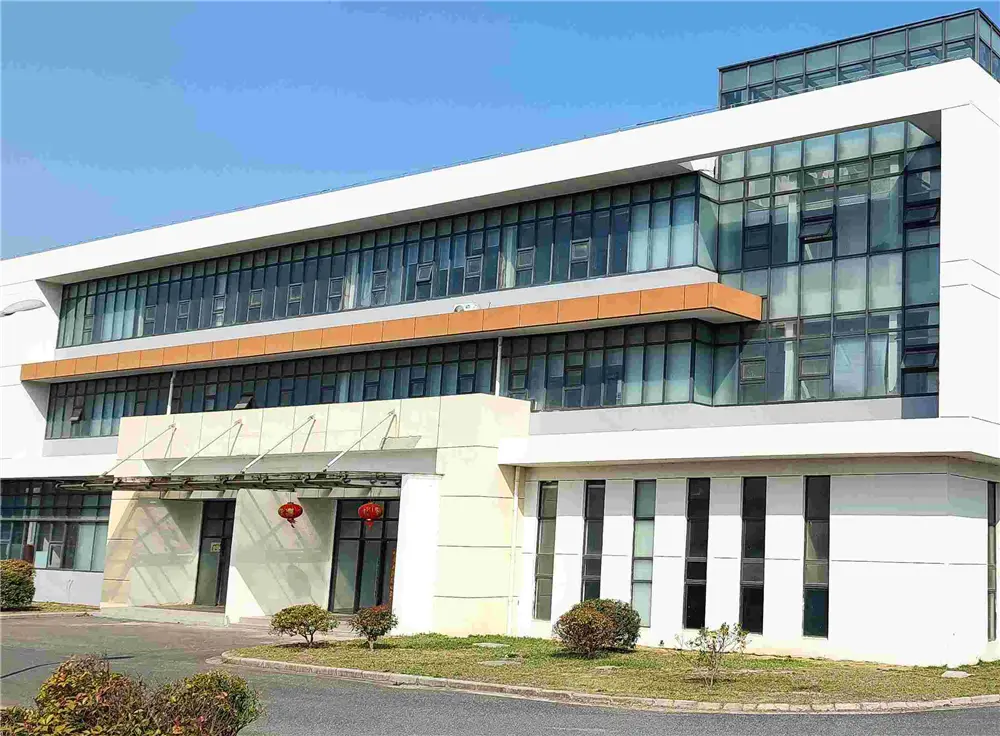
Established in the high-tech corridor of Suzhou, SUZHOU HIYIE CHEMICAL Co., LTD operates chemical formulation facilities and R&D centers in Wuhan and Shanghai. We address regional and global industrial requirements, serving manufacturing clusters across the Pearl River Delta, Yangtze River Delta, and the Bohai Rim.
Our research team partners with universities to design advanced surface-active agents, plating carriers, and passivates. This scientific collaboration allows us to deliver customized chemistries that match specific customer criteria, including line temperature shifts, variable current loads, and challenging alloy substrates.
Different industries require targeted properties from zinc-nickel coatings. Below is a detailed view of how SUZHOU HIYIE chemical products align with global manufacturing sectors.
Automotive standards (e.g., Ford WSS-M21P17, BMW GS 90010, VW TL 244) require fasteners, brake calipers, and fluid lines to withstand road debris and salt spray. Our 6185 Alkaline Zinc-Nickel system combined with ZN-318 passivation ensures high corrosion protection, consistent torque-tension properties, and prevention of galvanic corrosion when in contact with aluminum bodies.
Serving high-demand OEMs like Foxconn Technology Group and Chint Group, we supply nickel chemistry solutions that balance conductivity and surface protection. In electrical contacts and EMI shielding enclosures, our electroless nickel series (such as HITEC EN 6713) provides uniform coverage on intricate pathways, maintaining solderability and wear resistance.
For offshore wind power turbines, marine hardware, and high-salinity infrastructure (supported by key partnerships with regional industrial groups), our 216 High Corrosion-resistant Passivation combined with Zn-Ni coatings provides protection against C5-M marine atmospheric exposure, reducing maintenance downtime.
Suzhou Hiyie Chemical leverages a comprehensive framework to meet the chemical quality, supply security, and sustainability standards of international buyers.

Our chemical engineers and sales representatives offer direct, on-site technical support to help optimize plating lines, balance bath chemistries, and resolve application issues quickly.

Our agile research and development setup allows us to modify formulations for specific operating conditions, including varying current levels, extreme climates, or unique substrate metals.

We focus on sustainable surface finishing chemistry, offering trivalent chromium systems, cyanide-free copper plating, and boric acid-free nickel additives to meet environmental standards.

We provide pre-sale bath design, chemical line auditing, and ongoing support. Our engineering teams assist in transition processes, helping customers adopt zinc-nickel lines with minimal downtime.
Global supply chain compliance is essential for exporting components to European and North American markets. Suzhou Hiyie Chemical ensures all surface treatment lines comply with active environmental directives:
Our technical roadmap focuses on developing advanced barrier layers, including ternary zinc-nickel-cobalt structures and nanostructured silica-composite sealers. These systems are designed to provide self-healing properties that slow down active red rust formation when parts are mechanically stressed.
We are also working to integrate IoT sensor feeds to monitor plating bath concentrations and current densities in real-time, helping clients maintain consistent deposition conditions automatically.
Review technical explanations from our R&D team regarding zinc-nickel electroplating processes, bath maintenance, and troubleshooting.

As we enter a new operational year, Suzhou Hiyie Chemical continues to focus on developing sustainable surface treatment technologies. Our R&D centers in Shanghai and Wuhan are advancing research into PFAS-free wetting agents and high-stability zinc-nickel complexing chemistries.
We remain committed to supporting our global customers with consistent chemical supplies, reliable quality control, and responsive technical services throughout the coming year.
Review our selection of chemical cleaners, metal carriers, brighteners, and alternative plating chemistries designed for modern manufacturing requirements.
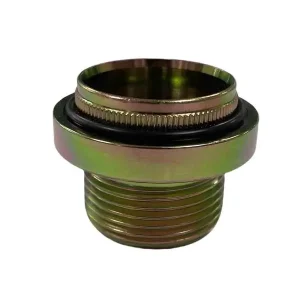
Forms a thick, protective iridescent passivation layer over electroplated zinc coatings without using hexavalent chromium.
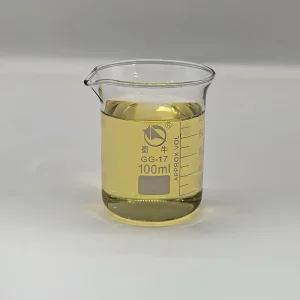
Cyanide-free bright zinc formulation providing good metal distribution, simple waste management, and consistent adhesion.
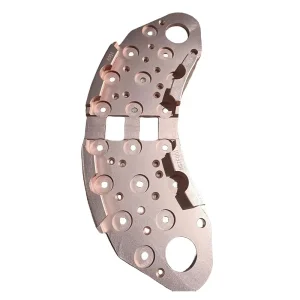
An alkaline copper system that eliminates cyanide, suitable as a strike layer for steel, zinc alloys, and aluminum substrates.
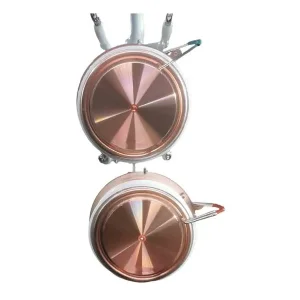
Offers fast deposition rates and good mirror-bright leveling, ideal for decorative hardware and PCB pre-treatment processes.
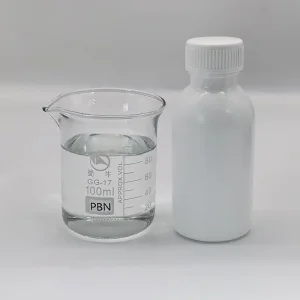
Produces a satin, glare-free finish suitable for consumer electronics, automotive interiors, and decorative hardware.
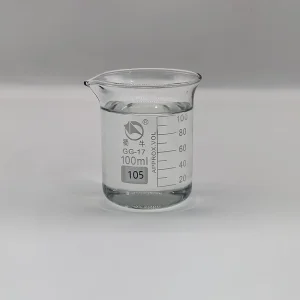
A specialty carrier additive designed to improve bath stability and deposition uniformity in chromium plating lines.
Alkaline alloy deposition technology providing high throw and corrosion protection under demanding operating conditions.
Trivalent passivation chemistry that yields a uniform blue film over zinc-nickel deposits, meeting ELV and RoHS standards.
 HIYIE
HIYIE