Explore our high-performance line of chemical products designed for enhanced durability, aesthetic excellence, and environmental sustainability.
A comprehensive analysis of bath chemistries, corrosion resistance dynamics, and next-generation environmental standards in global electroplating technology.
Potassium chloride acid zinc systems outperform traditional ammonium chemistry. Our formulations maximize leveling performance, minimize high-temperature breakdown, and ensure optimal cathode current efficiency of up to 98%.
By pairing high-purity acid zinc electroplating with advanced trivalent passivations (such as ZN-318 and 216), parts achieve up to 1000 hours of neutral salt spray (NSS) testing before red rust occurs, fulfilling stringent automotive guidelines.
High-temperature tolerant carriers keep cloud points above 75°C. This stabilizes critical organic components in high-current density zones, preventing oil out, high consumption rates, and uneven plate thickness.
Acid zinc electroplating has evolved from a basic protection technique to a highly specialized surface treatment discipline. Historically dominated by ammonium-chloride baths, the industrial manufacturing sector has shifted entirely toward ammonium-free potassium chloride bath configurations. This shift is driven by the need for better wastewater treatment control and compliance with strict industrial guidelines. Modern systems rely heavily on precise surfactant chemistry, which regulates the deposition rates across diverse substrate geometries.
The core components of a high-performance acid zinc electrolyte include potassium chloride for conductivity, zinc chloride as the metal source, and boric acid to buffer the pH within the critical 4.8 to 5.4 window. In addition, the brightener and carrier systems dictate the crystal structure of the deposit. Without high-quality carriers, high-current density regions would show burnt deposit layers, while low-current regions would remain dull and unplated. High-end suppliers must synthesize proprietary surfactants that resist thermal degradation in high-volume, continuous plating lines.
Industrial procurement departments in the automotive, electronics, and construction fields require coatings that satisfy multi-layered performance metrics. Cost reduction must be balanced with environmental safety and strict performance standards. OEMs globally are demanding cobalt-free trivalent chrome passivations that can maintain corrosion resistance even after thermal baking cycles. High-tensile fasteners, for instance, must go through hydrogen embrittlement relief baking (typically at 200°C for 4 hours) without losing the protective performance of the passivation film.
Furthermore, standardizations such as ISO 9227 (neutral salt spray testing), ASTM B117, and automotive industry norms (like Ford WSS-M21P17, GM GMW3044, and VW TL 217) set high baselines for plating line quality control. As a result, Tier-1 suppliers must partner with chemical formulators who offer consistent lot-to-lot parameters. They also require complete documentation, including material safety data sheets (MSDS), technical data sheets (TDS), and certification of RoHS, REACH, and WEEE compliance.
View our specialized product lines categorised for nickel plating, electroless nickel, and zinc nickel alloy applications.
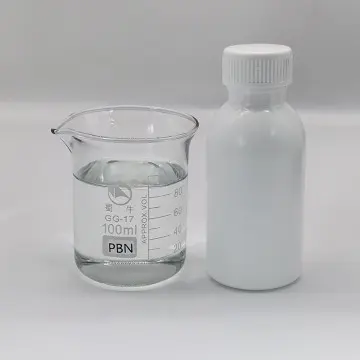
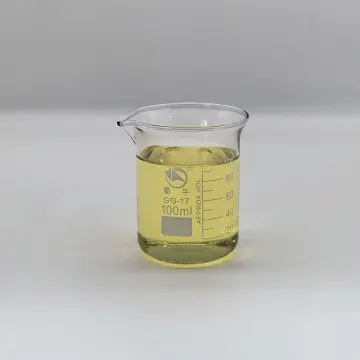
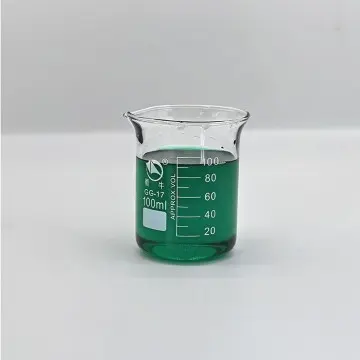
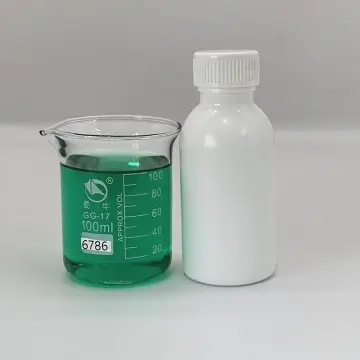
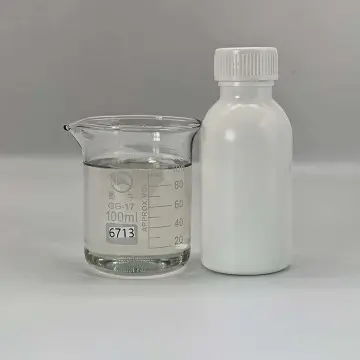
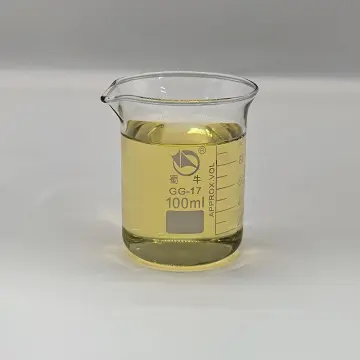
In high-volume manufacturing, common issues like poor adhesion, hydrogen embrittlement, and inconsistent layer thicknesses can cause assembly line failures. To solve these problems, modern acid zinc electroplating utilizes complex chemical systems that improve macro-throwing power. Throwing power refers to the chemistry's ability to deposit uniform metal thickness across complex geometries. This is crucial for deep recesses, blind holes, and threaded profiles in modern automotive parts.
For applications involving high-tensile fasteners, hydrogen embrittlement is a primary concern. The high-efficiency nature of acid zinc baths (typically around 95%–98%) minimizes the volume of hydrogen gas co-deposited onto the steel substrate compared to acid-curing alkaline systems. This reduces the risk of sub-critical crack propagation under stress, making the baking relief steps much more effective.
As the electroplating sector moves towards Industry 4.0, real-time chemical control and advanced process control (APC) systems are changing the plating floor. Future growth in acid zinc electroplating relies on the following trends:
Technical expertise is critical for successful chemical supply partnerships. Formulations must be customized to fit regional water quality differences, varying line configurations, and local environmental limits. We offer on-site auditing, analytical bath troubleshooting, and customized optimization reports to ensure smooth production. Our R&D centers in Shanghai and Wuhan focus on developing clean chemistry, helping customers replace old cyanide-based systems with safer alternatives.
Compliance is a core part of our quality control process. Every chemical bath formulation complies with key directives: RoHS (Restriction of Hazardous Substances), REACH (Registration, Evaluation, Authorisation and Restriction of Chemicals), and regional environmental regulations. Our production facilities hold ISO 9001 and ISO 14001 certifications. This guarantees strict quality tracking, batch uniformity, and reliable supply chains for demanding global industries.
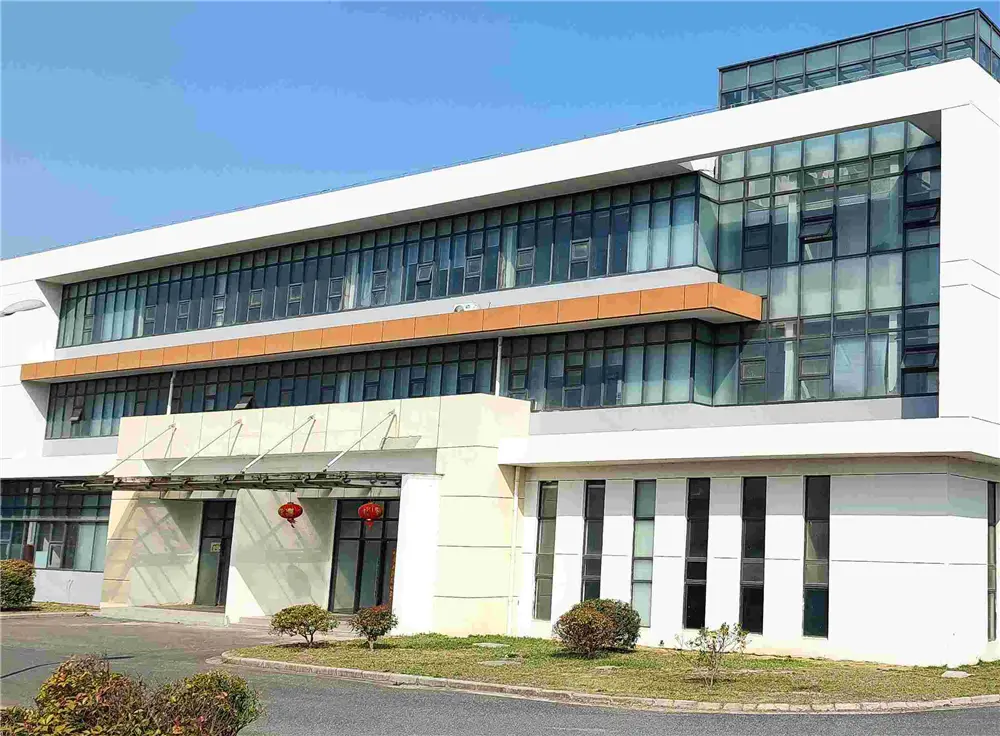
A Professional Manufacturer of Organic Products
SUZHOU HIYIE CHEMICAL Co.,LTD has a product portfolio that covers consumer electronics, communication equipment, semiconductor industry, automotive hardware, craft gifts, and more. The company has collaborated with multiple domestic and foreign chemical companies and universities to establish a mobile R&D center dedicated to solving technical challenges in the industry.
Since its establishment, the company has set up R&D institutions in Wuhan and Shanghai. Its marketing network covers the Pearl River Delta, Yangtze River Delta, and Bohai Rim regions. Its products have been widely used and recognized by many well-known domestic and foreign companies such as Foxconn Technology Group, Qinghai Salt Lake Group, Chint Group, Hongbao Group, Stanley Group, Shifeng Group, and others, earning the company a good reputation and a wide market.
Combining talent, innovation, advanced technology, and dedicated service to support your surface treatment needs.

The company introduces a large number of staff, sales, talents, and is responsible for customers.

The flexible R & D mechanism can satisfy the highest and specific requirements of customers.

The most updated technology with the philosophy of environmentally-friendly.

We have professional pre-sale, sale and after-sale team to provide you with high quality service.
Get answers to common technical queries regarding acid zinc electroplating, bath chemistries, and surface protection performance.
Stay updated with our corporate movements, industry trends, and holiday schedules.

Explore our specialized range of copper, nickel, chrome, and passivation chemical formulations.
 HIYIE
HIYIE