Industrial-grade chemicals designed for exceptional durability, brightness, and anti-corrosion metrics.
An in-depth whitepaper on the technological shift from legacy cyanide methods to high-performance acid systems.
In modern industrial manufacturing, metal finishing serves as the crucial final line of defense against atmospheric and chemical degradation. Among the diverse spectrum of electroplating technologies, Acid Zinc Plating has emerged as the premier standard for high-performance protection of ferrous metals. Valued for its brilliant aesthetic finish, superior cathode efficiency, and exceptional capability to plate difficult substrates like cast iron, tempered steel, and carbonitride parts, the acid zinc process has largely superseded traditional alkaline cyanide systems in high-volume production lines worldwide.
The global demand for high-quality acid zinc plating processes is driven heavily by the automotive, consumer electronics, agricultural machinery, and heavy infrastructure sectors. As regulatory frameworks such as REACH, RoHS, and EPA mandates continuously tighten their control over hazardous materials, chemical developers and electroplating manufacturers have transitioned entirely to eco-friendly formulations. This transition has spurred intensive R&D into highly refined organic brighteners, carrier surfactants, and high-durability trivalent chromium passivations.
North American and European automotive sectors, in particular, specify stringent requirements for zinc coatings. Parts are expected to endure hundreds of hours of salt spray exposure (ASTM B117) without showing signs of white or red rust. At the same time, the coatings must retain precise dimensional tolerances for mechanical fasteners and threaded connections. High-Quality Acid Zinc Plating satisfies these requirements by delivering uniform deposition rates and minimizing hydrogen embrittlement risks—a critical advantage for high-tensile components.
Understanding the fundamental differences in bath chemistry, deposition speed, and substrate versatility is key to selecting the optimal process for your specific engineering applications. The table below outlines the primary performance characteristics of modern acid zinc formulations compared to alkaline zinc alternatives.
| Performance Indicator | Acid Potassium Chloride Zinc System | Alkaline Cyanide-Free Zinc System |
|---|---|---|
| Current Efficiency | Excellent (95% – 98%) - Minimal hydrogen evolution | Moderate (70% – 85%) - Higher energy usage |
| Deposition Rate | High (Up to 1.5 µm/min) - Enhances production speed | Moderate (0.5 – 0.8 µm/min) |
| Substrate Compatibility | Cast iron, malleable iron, high-carbon steel, wire goods | Mild steel, simple stamped parts primarily |
| Brightness Profile | Ultra-bright, mirror-like cosmetic finish | Semi-bright to bright, often requires post-polish |
| Coverage / Throwing Power | Moderate (requires precise additive balance) | Excellent (uniform thickness on complex geometries) |
| Hydrogen Embrittlement | Very low risk due to minimal hydrogen generation | Higher risk; requires post-plate baking cycles |
The high current efficiency of acid zinc baths is a major operational benefit. Because nearly all the electrical energy applied to the system is used to deposit zinc rather than hydrolyzing water into hydrogen gas, energy consumption is reduced by up to 30% compared to alkaline processes. Furthermore, this lack of hydrogen gas evolution prevents hydrogen atoms from entering the steel matrix, reducing the likelihood of catastrophic failure in high-strength bolts, springs, and structural components.
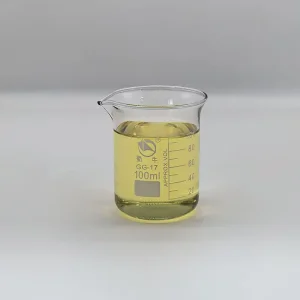
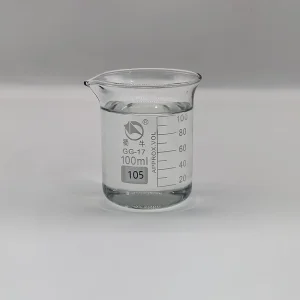
Achieving this balance of high efficiency and high performance requires high-purity raw materials and sophisticated organic additives. Brighteners and carrier agents, such as specialized Chrome Plating Carrier 105 and high-affinity surfactants, are critical. They regulate the rate of zinc ion diffusion at the cathode boundary layer, ensuring uniform crystallization and preventing burning in high-current density zones.
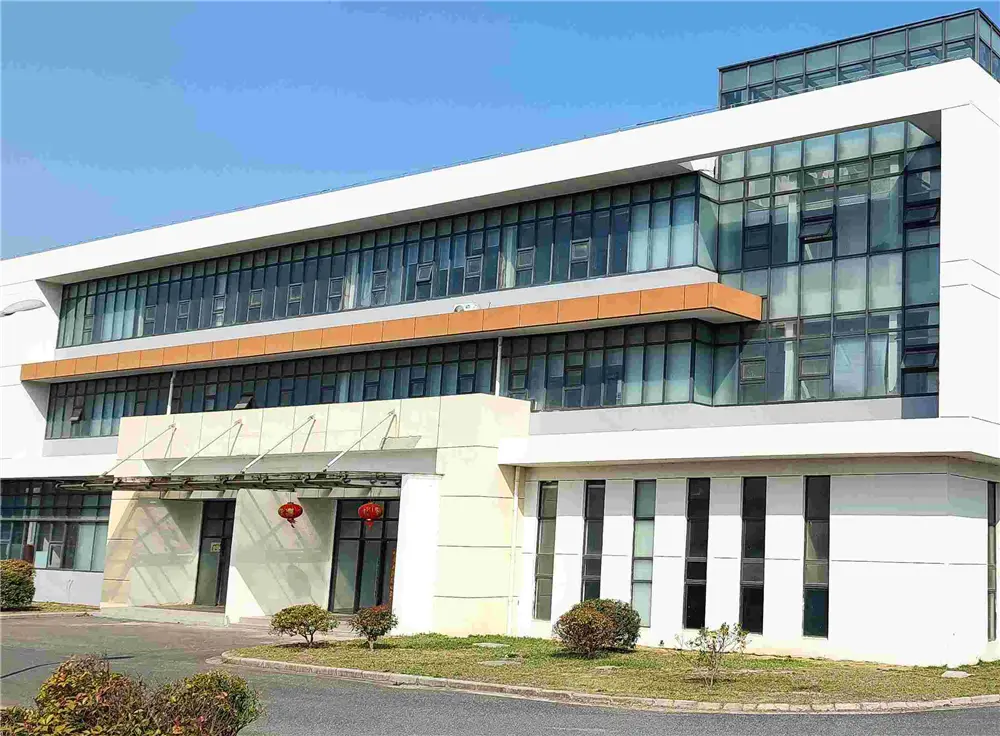
Founded in the industrial hub of Suzhou, SUZHOU HIYIE CHEMICAL CO., LTD has developed an extensive portfolio of organic products and surface finishing chemicals. Our solutions support consumer electronics, telecommunications, semiconductors, automotive hardware, and decorative arts. By collaborating with leading domestic and foreign chemical companies and academic research institutions, we have built a collaborative R&D model designed to solve the surface finishing industry's toughest technical challenges.
With dedicated research and development centers established in Shanghai and Wuhan, Suzhou Hiyie bridges laboratory discovery and industrial manufacturing. Our marketing and distribution networks span key economic zones, including the Pearl River Delta, Yangtze River Delta, and the Bohai Rim. This regional presence ensures rapid logistical delivery and on-site technical support for our manufacturing partners.
Why Tier-1 industrial buyers partner with Suzhou Hiyie for high-volume electroplating requirements.

We employ senior electrochemists and application engineers to provide custom support for automated plating lines.

Our laboratories in Wuhan and Shanghai customize chemical formulations to meet specific salt spray and thickness parameters.

We specialize in eco-friendly surface finishing, emphasizing trivalent passivation and cyanide-free systems.

Our service teams assist with bath analysis, troubleshooting, and process optimization to reduce plating line downtime.
High-quality acid zinc coatings are used across several key industries, each with its own performance specifications and operating conditions:
Automotive components operate in harsh environments, facing heat cycling, road salt exposure, and mechanical stress. Acid zinc processes, followed by trivalent passivation (such as our 216 High Corrosion-Resistant Iridescent Trivalent Zinc Passivation), provide reliable protection. These systems prevent galvanic corrosion between steel fastners and aluminum body panels while maintaining consistent torque-tension properties.
In consumer electronics, where components are small and complex, precision is essential. The high conductivity of acid-plated zinc layers makes them suitable for chassis elements, EMI shielding enclosures, and connectors. Because these systems plate reliably on carbonitride steel and stamping alloys, they help manufacturers maintain tight dimensional tolerances across high-volume production runs.
For outdoor hardware, including brackets, threaded rods, and anchors, long-term corrosion resistance is critical. Acid zinc plating provides a thick, protective layer that resists atmospheric corrosion. Its bright, silver-like appearance also helps improve the shelf appeal of consumer retail products.
Unlike alkaline plating baths, acid zinc baths can plate cast iron and highly carbonized steels without pre-activation steps. This makes it an efficient choice for heavy agricultural machinery, hydraulic fittings, and raw cast components that require durable protection against soils and agricultural chemicals.
When sourcing electroplating additives and chemical components internationally, procurement managers focus on reliability, compliance, and consistent quality. Suzhou Hiyie supports these requirements by maintaining strict quality controls and aligning with international performance standards.
Choosing Suzhou Hiyie as a supplier helps streamline your procurement process, reduce QA validation times, and maintain consistent performance across your finishing lines.
Expert answers to common engineering, process control, and troubleshooting questions.
Insights into our company culture, holiday logistics, and market news.
Explore our range of brighteners, alloy systems, and specialized nickel coatings.
 HIYIE
HIYIE