Explore our elite range of alkaline, acid, and alloy plating formulations engineered for precise deposition, superior throwing power, and advanced functional surface qualities.
An In-Depth Engineering Brief on Zinc Deposition Mechanics, Microstructures, and Global Anti-Corrosion Benchmarks.
In modern industrial manufacturing, metal components are subject to increasingly harsh chemical, thermal, and mechanical stresses. Traditional acid zinc systems, while highly efficient and capable of producing outstanding initial brightness, struggle to achieve uniform layer thickness distribution over complex profiles. This limitation has accelerated a global transition toward alkaline zinc and alkaline zinc-nickel alloy plating solutions. From automotive chassis assemblies and structural fasteners to electrical grid hardware and consumer electronic shielding, alkaline zinc technology forms the cornerstone of contemporary functional electroplating.
Three main structural vectors shape the future of zinc plating on a global scale: the phase-out of hexavalent chromium ($Cr^{6+}$), the demand for ultra-high corrosion resistance (specifically over 1000 hours of Neutral Salt Spray testing), and the strict regulatory frameworks governing chemical operations (such as REACH, RoHS, and EPA mandates). Modern manufacturers are no longer looking for standard chemistries; they demand high-stability, zero-cyanide, and low-sludge formulations that operate efficiently under fluctuating current densities.
| Plating Chemistry System | Cathodic Throwing Power (Micro/Macro) | Corrosion Resistance (Neutral Salt Spray) | Alloy Composition & Uniformity | Environmental Footprint |
|---|---|---|---|---|
| Alkaline Zinc-Nickel Alloy (12-16% Ni) | Excellent (Outstanding inside complex geometries) | 1000+ Hours (No Red Rust) | Highly Uniform across varying current densities | Safe, Cyanide-free, REACH-compliant |
| Alkaline Cyanide-Free Bright Zinc | Very High (Consistent distribution) | 240 - 500 Hours (Depending on passivation) | Pure Zinc Monolayer | Eco-friendly, simplified wastewater treatment |
| Acid Bright Zinc (Chloride/Sulfate) | Poor to Fair (Excessive edge buildup) | 96 - 240 Hours | Pure Zinc Monolayer | Corrosive fumes, high equipment wear |
The performance of alkaline zinc-nickel alloys hinges directly on control over the electro-crystallization phase. By introducing specialized organic brighteners, grain refiners, and complexing agents, the electroplated zinc-nickel matrix forms a gamma-phase crystal structure ($Ni_3Zn_{22}$). This specific crystal orientation acts as a highly effective barrier layer, slowing down the dissolution of sacrificial zinc. When exposed to corrosive atmospheres, the corrosion product is a stable, non-porous zinc hydroxide-chloride, preventing localized pitting and long-term base metal oxidation.
Alkaline chemistries provide near 1:1 thickness distribution ratios between high and low current density areas. This eliminates over-plating on outer threads and guarantees coverage on internal geometries.
Our bath formulations maintain a stable co-deposition of nickel at 12-16% across all operational ranges, ensuring consistent compliance with automotive standards.
Developing robust, zero-cyanide formulations has allowed us to deliver top-tier performance while vastly simplifying safety and environmental profiles.
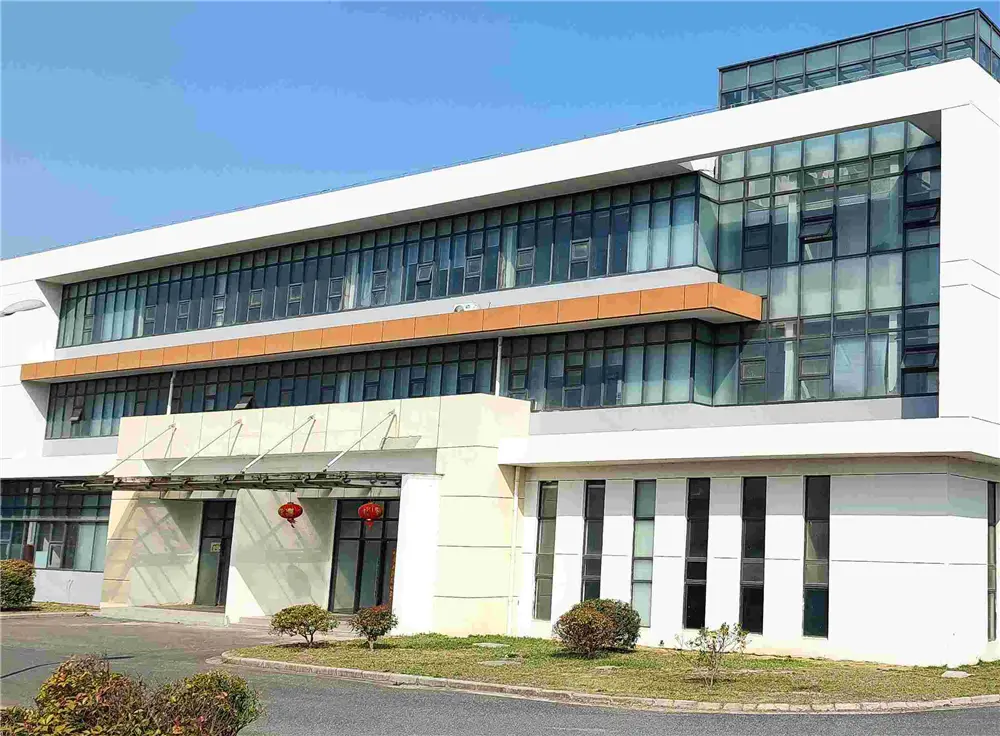
SUZHOU HIYIE CHEMICAL CO., LTD is a premier manufacturer of high-performance surface finishing additives, organic chemical intermediates, and auxiliary processes. Serving global value chains, our comprehensive portfolio addresses the needs of consumer electronics, high-frequency communications, semiconductor wafer packaging, automotive hardware, and structural steel works.
To remain at the vanguard of electrodeposition science, we have partnered with domestic and international academic institutions, establishing specialized mobile R&D units to solve complex surface finish challenges. With established research facilities in Wuhan and Shanghai, our active technical and commercial networks cover key manufacturing hubs: the Pearl River Delta, Yangtze River Delta, and the Bohai Rim. Our commitment to quality has earned us strategic vendor status with market leaders, including Foxconn Technology Group, Qinghai Salt Lake Group, Chint Group, Hongbao Group, Stanley Group, and Shifeng Group.
Global procurement teams must balance initial chemical costs with downstream process stability, rejection rates, and regulatory risk. When auditing chemical suppliers, procurement managers must evaluate several technical performance indices:
High-tensile fasteners (Class 10.9 and above) are highly vulnerable to hydrogen embrittlement when exposed to atomic hydrogen during acid pickling and electrodeposition. Alkaline zinc and zinc-nickel plating, due to their specific cathodic deposition mechanisms, exhibit higher cathode efficiencies under optimized parameters, reducing hydrogen generation. Paired with certified post-plating baking processes, our plating systems ensure that critical structural components maintain structural integrity under load.
For automotive under-the-hood fasteners, components must survive elevated thermal cycles (up to 120°C - 150°C continuous service) without losing corrosion protection. Alkaline zinc-nickel systems exhibit far superior thermal resistance compared to pure zinc. When paired with our high-corrosion-resistant trivalent passivations and integrated friction modifiers, they provide predictable torque-tension relationships for automated assembly lines.
Sourcing chemicals globally requires localized regulatory compliance and direct access to applications laboratories. Hiyie Chemical provides local technical audits, bath optimization mapping, and routine chemical analysis (Hull cell tests, atomic absorption spectroscopy, and plating thickness measurements) to ensure that customer lines maintain peak yield rates and minimal downtime.
The electroplating industry is evolving beyond traditional chemistries towards smart, automated, and environmentally sustainable systems. Our current research and development roadmap focuses on three main technological pillars:
We are piloting smart dosing systems integrated with real-time sensor networks that monitor pH, conductivity, temperature, and metal concentration. By feeding this data into analytical models, the system predicts brightener and carrier consumption rates, reducing manual intervention and preventing chemical variance that can lead to plating rejects.
To push corrosion resistance boundaries even further, we are developing nanostructured zinc-alloy matrices. By incorporating functional nanoparticles into the alkaline deposit, we can dramatically increase surface hardness, scratch resistance, and barrier protection, matching the performance of thicker coatings with thinner, more resource-efficient layers.
With global chemical regulations tightening around persistent organic pollutants and hazardous metals, our laboratories have developed next-generation trivalent chromium passivations and sealers that do not rely on PFAS or cobalt compounds, ensuring long-term regulatory compliance for our global customer base.
Technical answers to critical questions raised by procurement managers and process engineers.
Explore our full line of functional plating additives, trivalent passivations, and specialized copper-nickel alloy systems.
 HIYIE
HIYIE