Explore our industrial grade solutions designed to provide outstanding leveling, brightness, and corrosion resistance for diverse metal substrates.
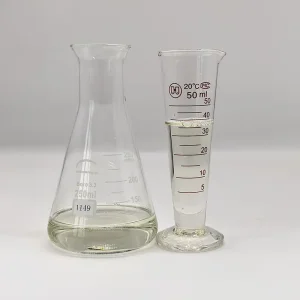
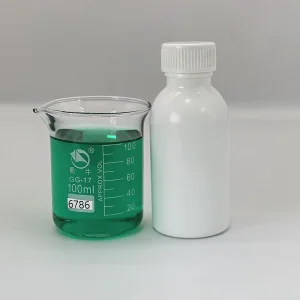
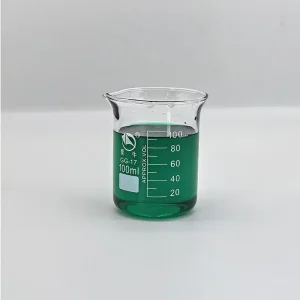
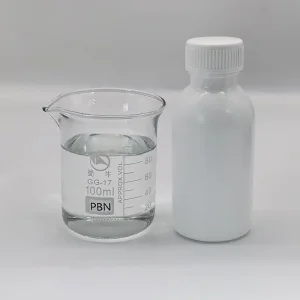
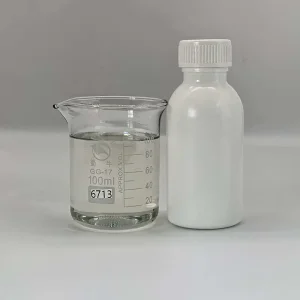
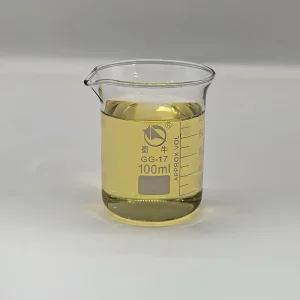
Barrel bright nickel plating represents a critical process in modern metal finishing, engineering, and manufacturing. Unlike rack plating, where individual pieces are fixed on jigs to maintain constant electrical connection, barrel plating relies on bulk tumbling inside a rotating, perforated container. This tumbling motion provides continuous contact between parts and cathodic contacts (danglers), making it highly cost-effective for processing bulk components like fasteners, connectors, automotive hardware, and small stampings.
The electrochemical mechanism is based on the deposition of nickel ions from an aqueous solution—traditionally structured around a Watts Bath formulation. The bath consists of nickel sulfate (the primary metal source), nickel chloride (which aids in anode dissolution and improves bath conductivity), and boric acid (acting as a critical buffering agent to control the pH at the cathode film). Modern high-quality barrel plating requires precise control of these chemical parameters alongside specialized organic brighteners to ensure a high-luster, ductile, and corrosion-resistant deposit.
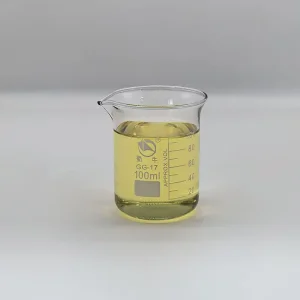
The challenge in barrel electroplating is the variance in current density. Parts transition through high current density (HCD) regions on the outer layer of the workload and low current density (LCD) regions in the core. To counteract this, modern chemical systems, such as the 1149 Barrel Bright Nickel Plating formulation, utilize primary brighteners (carriers) and secondary brighteners (levelers) designed to work synergistically across all current zones. This ensures high cathode efficiency, prevents burning in HCD zones, and avoids dullness or coverage issues in LCD zones.
The surface finishing sector is undergoing rapid evolution driven by strict global regulations and strict performance requirements. Key trends shaping the future of barrel bright nickel plating include:
By maintaining strict control over the balance of Class I brighteners (which refine grain structures and introduce compressive stress) and Class II brighteners (which generate leveling and brightness at the cost of tensile stress), manufacturers can achieve deposits that meet high cosmetic standards while preserving functional ductility.
Global procurement managers face the challenge of securing electroplating chemicals and processing partners that deliver consistent quality across multiple locations. Different industry segments impose distinct technical benchmarks for barrel nickel plating:
Automotive Industry: Components such as fasteners, brackets, and engine hardware demand high thickness uniformity and corrosion resistance. Specifications like ASTM B689, ISO 1458, and various OEM standards (such as GM GMW3044 and Ford WSS-M1P85) dictate minimum coating thickness and resistance to neutral salt spray (ASTM B117).
Electronics & Telecommunications: Connectors, pins, and terminals require a nickel underplate before precious metal deposition (like gold or palladium-nickel) to prevent substrate copper migration. Excellent solderability, electrical conductivity, and thickness consistency across high volumes are critical.
Industrial & Consumer Hardware: Tools, lock assemblies, and craft gifts require an aesthetic, mirror-bright appearance coupled with wear resistance and long shelf life in humid climates.
SUZHOU HIYIE CHEMICAL Co., LTD offers a product portfolio that covers consumer electronics, communication equipment, the semiconductor industry, automotive hardware, craft gifts, and more. To solve the industry's toughest electroplating challenges, we have collaborated with multiple domestic and foreign chemical companies and universities to establish a mobile R&D center.
Since our establishment, we have set up dedicated R&D institutions in Wuhan and Shanghai. Our marketing and technical service network covers the Pearl River Delta, Yangtze River Delta, and Bohai Rim regions. Hiyie's advanced formulations are widely used and recognized by leading enterprises, including Foxconn Technology Group, Qinghai Salt Lake Group, Chint Group, Hongbao Group, Stanley Group, Shifeng Group, and others. We have built a strong reputation by delivering high product consistency and dedicated technical support.
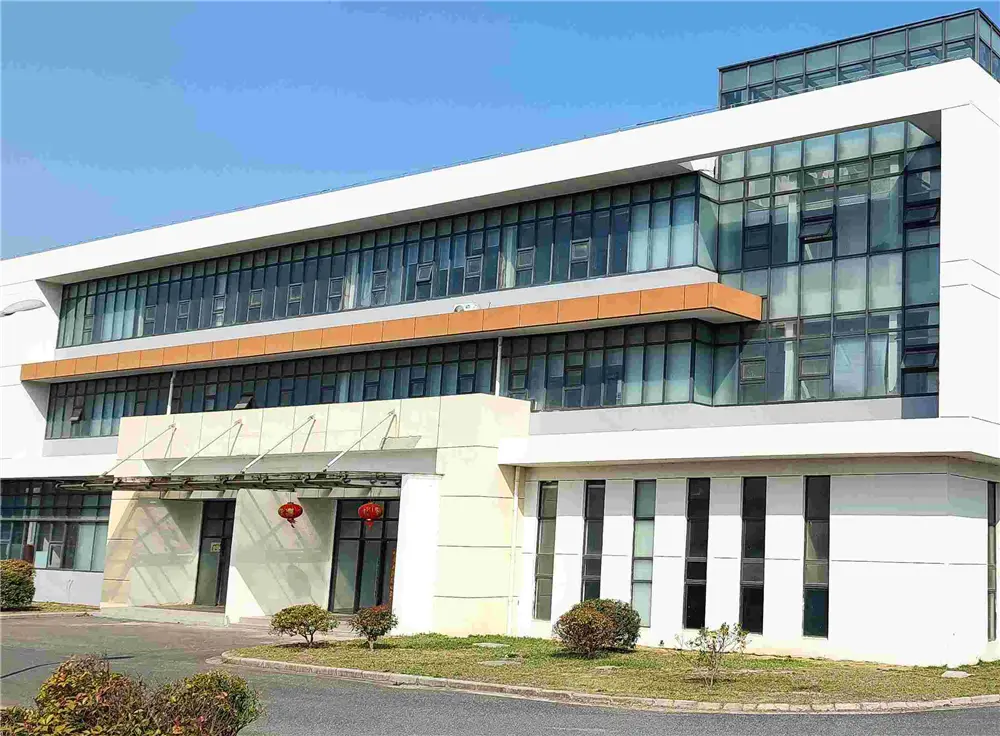
Combining world-class engineering personnel, innovative R&D capabilities, environmental sustainability, and comprehensive support services.
We bring together experienced chemists, sales specialists, and technical staff to provide custom solutions and reliable customer service.
Our agile research and development mechanisms are tailored to meet unique customer specifications and solve industrial challenges.
We prioritize modern electrochemistry solutions developed with an environmentally friendly design philosophy.
Our technical service teams offer pre-sale consultation, process setup, and after-sale bath maintenance support.
Navigating international supply chains requires compliance with chemical safety regulations (SDS, GHS labeling) and consistent batch-to-batch quality. Suzhou Hiyie Chemical maintains standard ISO 9001 and ISO 14001 certification baselines across its manufacturing facilities.
To support global surface finishing operators, we provide:
Furthermore, our technical field engineers assist client production lines with process transitions, helping them convert traditional high-stress nickel baths into stable, low-stress, bright-leveling Watts systems.
Suzhou Hiyie's R&D path focuses on smart chemistry and ecological compliance. Our current research initiatives target:
Boric Acid-Free Nickel Systems: With boric acid classed as a SVHC (Substance of Very High Concern) under EU REACH regulations, we are developing alternative buffer systems using biodegradable organic acids to maintain bath pH stability without losing leveling performance.
Duplex Nickel Coating Synergy: Integrating semi-bright nickel undercoats (like our FS100 Semi-Bright Nickel Plating) with bright nickel topcoats. This duplex system creates a controlled potential difference that deflects corrosion laterally, significantly improving salt spray performance on steel and brass components.
AI-Assisted Bath Replenishment: Developing automated dosing models based on Ampere-hour tracking and real-time spectrophotometric measurements of organic brightener decay, helping operators maintain optimal bath concentrations and minimize chemistry waste.
Explore our full range of surface finishing systems, featuring high corrosion resistance, advanced carriers, and high-efficiency formulations.
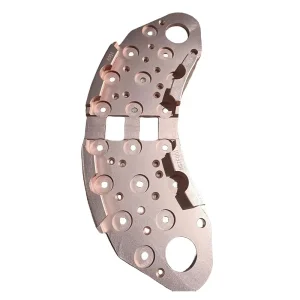
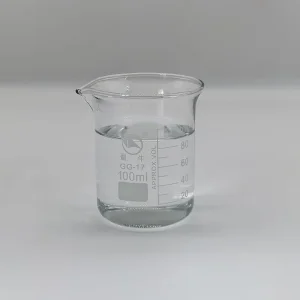
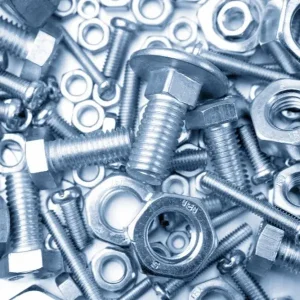

The New Year bell rings the prelude to progress. Suzhou Hiyie Chemical extends warm wishes to our global clients, partners, and chemical engineering teams. As we move into this new business season, we remain committed to technological innovation and ecological sustainability in surface finishing.
Expert answers to common chemical, mechanical, and operational challenges in barrel bright nickel plating baths.
Pitting is usually caused by hydrogen gas bubbles adhering to the cathode surface during electrodeposition, preventing nickel ions from depositing on those micro-areas.
Solutions:
1. Wetting Agent Maintenance: Ensure sufficient concentration of sodium lauryl sulfate (or specialized non-foaming barrel surfactants) to reduce bath surface tension.
2. Agitation Optimization: Increase barrel rotation speed (within mechanical limits) or implement cathode rocker bar movement to mechanically dislodge bubbles.
3. Organic Contaminants: Perform continuous active carbon filtration to remove breakdown products of organic brighteners that can trigger pitting.
The 1149 system uses a balanced blend of Class I carrier brighteners and Class II levelers. The organic molecules in the 1149 system are designed to migrate consistently across both high and low current density areas.
Unlike standard levelers that perform poorly under low current density, the 1149 system maintains grain refinement and leveling performance down to 0.2 A/dm², preventing dullness or "dark patches" inside recesses and threads.
There is no universal ratio, as consumption depends on the bath's temperature, workload geometry, and cathode current density. However, primary brighteners (carriers) are typically kept between 10–25 mL/L, whereas secondary brighteners (levelers/brighteners) are maintained between 0.5–2.0 mL/L.
We recommend running regular 250mL Hull Cell tests (at 1A or 2A for 5–10 minutes) to check the bright range, leveling, and coverage, allowing you to make precise adjustments before adding bulk chemistry to the main plating line.
Barrel rotation speed directly affects how parts tumble and make electrical contact with the cathode danglers.
- Too Slow (under 1-2 RPM): Leads to poor mixing, resulting in uneven coating thicknesses and potential burn marks on parts facing the outer edge for too long.
- Too Fast (over 8-10 RPM): Can cause excessive mechanical wear, scratching of soft base metals, and electrical contact breaks (causing bi-polar plating effects).
- Optimal Range: Typically 3 to 6 RPM, adjusted based on the size, weight, and configuration of the components being processed.
Yes. All our electroplating systems, including the 1149 system, are formulated to comply with RoHS, REACH, and associated hazard restrictions.
We do not use chlorinated organic brightener carriers or restricted fluorinated surfactants. Every batch is manufactured with full traceability, accompanied by GHS-compliant Safety Data Sheets (SDS) to support international regulatory audits.
 HIYIE
HIYIE