An authoritative overview of chemical passivation, barrier protection, and substrate compatibility.
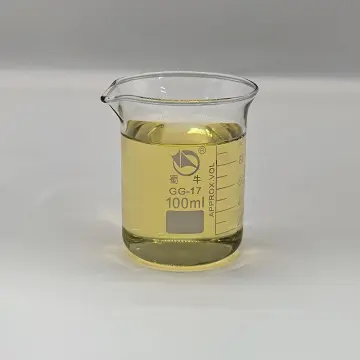
Black Zinc Chromate is an advanced conversion coating applied over electroplated zinc surfaces. It has become an essential industrial process to prevent atmospheric oxidation on key metallic components. Historically formulation-dependent, the conversion coating utilizes chromium compounds to create an inert, hydrophobic gelatinous film. This chemical shield serves two primary purposes: preventing the underlying zinc from forming sacrificial "white rust" and protecting the ferrous substrate from destructive "red rust" under extreme environmental exposure.
From an chemical perspective, the process relies on an acidic reaction that dissolves a tiny fraction of the electroplated zinc layer. This reaction causes a local pH increase at the liquid-solid interface. The elevated pH triggers the precipitation of complex chromium oxides, hydroxides, and insoluble zinc salts directly onto the substrate. The result is a robust, self-healing black layer that blocks moisture and corrosive ions (such as chlorides) from contacting the substrate.
Information Gain Insight: While traditional black chromate finishes relied exclusively on hexavalent chromium (Cr6+) due to its self-healing chemistry, modern innovations from Suzhou Hiyie Chemical have successfully transitioned the industry towards high-performance trivalent chromium (Cr3+) formulations. These meet modern environmental mandates (such as RoHS and REACH) without compromising on corrosion protection.
Black Zinc Chromate is widely used across major manufacturing hubs globally. Its combination of aesthetic black appearance, consistent torque-tension behavior, and high-performance protection meets the needs of diverse applications.
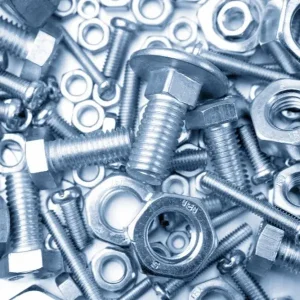
Modern engine bays, chassis assemblies, and suspension fasteners require components that can withstand heat cycles, road salts, and organic fluids. Black Zinc Chromate provides sacrificial protection for critical screws, bolts, clips, and brackets, ensuring long-term structural integrity and precise torque control.
From server rack assemblies and shield cans to interior structural brackets in consumer electronic products, black zinc chromate offers a non-reflective, aesthetic dark finish with good electrical conductivity. This meets the grounding requirements for EMI/RFI shielding.
Outdoor agricultural components, hydraulic valves, and structural brackets are exposed to intense wear, friction, and moisture. The combination of zinc plating and black chromate passivation prevents degradation under severe conditions, reducing maintenance overhead.
The surface finishing industry is undergoing a transition from traditional hexavalent chromium (Cr6+) to trivalent chromium (Cr3+). The roadmap below highlights the chemical milestones guiding this change.
Historically, black chromate formulations relied on hexavalent chromium salts combined with silver or copper ions to produce a deep black color. While highly corrosion-resistant and self-healing, these formulations present toxicity, worker safety, and environmental challenges. Consequently, global regulations like RoHS and REACH restrict their use.
To match the performance of hexavalent systems, researchers developed trivalent chromium chemistry (Cr3+) containing transition metals like cobalt or iron. By combining these with organic or inorganic dyes, manufacturers achieved deep black coatings that meet environmental regulations, offering a safer alternative for modern production lines.
Today's state-of-the-art coatings combine thick-film trivalent passivators with nano-engineered topcoats and silica-based sealants. This multi-layered design creates a chemical and physical barrier, achieving over 480 hours of salt spray resistance to red rust without utilizing restricted substances.
The next stage of surface protection focuses on completely chromium-free conversion systems, utilizing titanium, zirconium, or bio-polymer coatings. These systems aim to provide high-performance corrosion protection and adhesion properties while eliminating heavy metal emissions from electroplating lines.
A detailed engineering comparison of surface finishes, highlighting typical thicknesses, corrosion performance, and compliance metrics.
| Passivation Chemistry Type | Typical Thickness Range | Salt Spray (White Rust / Red Rust) | Coefficient of Friction (CoF) | Environmental Directives (RoHS/REACH) | Key Industry Standards |
|---|---|---|---|---|---|
| Hexavalent Black Chromate (Cr6+) | 0.25 – 0.50 µm | 72 hrs / 240+ hrs | 0.12 - 0.18 (Moderate) | Restricted (Under strict exemptions) | ASTM B633, ISO 2081 |
| Trivalent Black Passivation (Cr3+ Option A) | 0.15 – 0.35 µm | 24 hrs / 120+ hrs | 0.15 - 0.22 (Needs lubricant) | Fully Compliant | GMW3044, Ford WSS-M21P17 |
| Trivalent Black + Nano-Sealer (Cr3+ Option B) | 0.50 – 1.20 µm | 120 hrs / 480+ hrs | 0.10 - 0.16 (Highly consistent) | Fully Compliant | VW TL 244, BMW GS 90010 |
| Acid Zinc-Cobalt + Black Passivation | 0.30 – 0.60 µm | 160 hrs / 720+ hrs | 0.11 - 0.15 (Excellent) | Fully Compliant | ISO 19598, ASTM B840 |
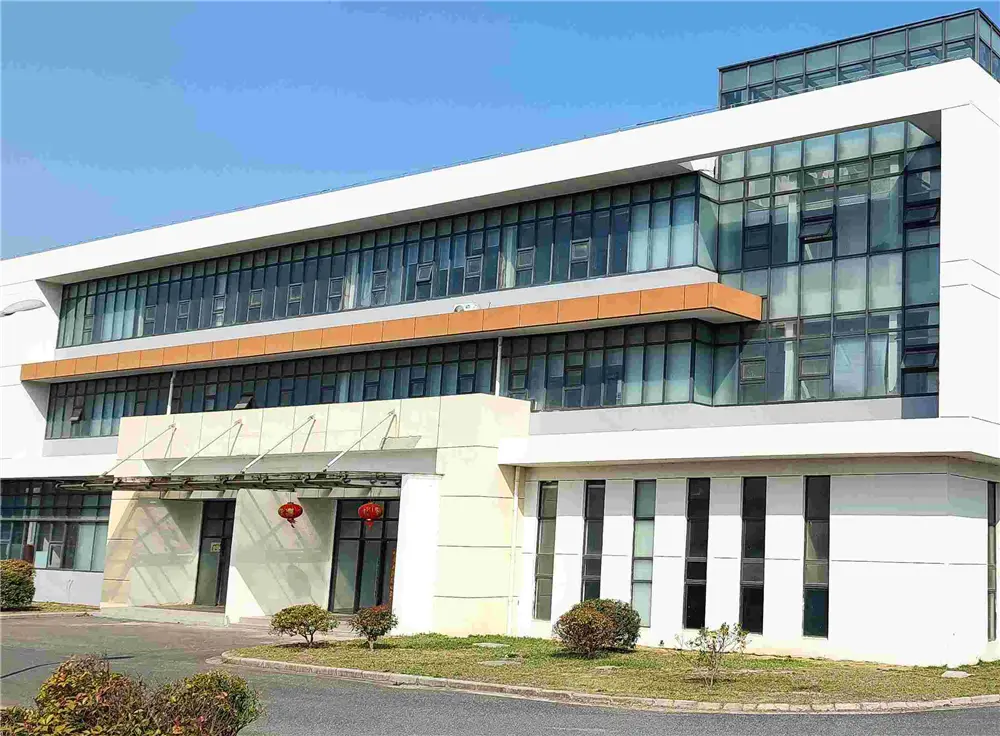
Suzhou Hiyie Chemical Co., Ltd. operates a manufacturing and distribution network designed to ensure supply chain stability for our international partners. China's chemical manufacturing ecosystem provides access to raw materials, logistics networks, and skilled engineering talent, allowing us to manage production cycles efficiently.
R&D Integration & Technical Strength: In collaboration with domestic chemical research institutes and universities, Hiyie Chemical maintains a mobile R&D center dedicated to solving modern surface-finishing challenges. With dedicated R&D facilities in Wuhan and Shanghai, we develop custom chemical formulas tailored to specific operating conditions.
Geographic Distribution Advantage: Our marketing and technical support networks cover key manufacturing regions, including the Pearl River Delta, Yangtze River Delta, and the Bohai Rim. This setup enables us to provide rapid response times, on-site technical assistance, and stable shipping schedules for global OEMs and tier-1 metal finishers.
SUZHOU HIYIE CHEMICAL Co.,LTD has a product portfolio that covers consumer electronics, communication equipment, semiconductor industry, automotive hardware, craft gifts, and more. The company has collaborated with multiple domestic and foreign chemical companies and universities to establish a mobile R&D center dedicated to solving technical challenges in the industry. Since its establishment, the company has set up R&D institutions in Wuhan and Shanghai. Its marketing network covers the Pearl River Delta, Yangtze River Delta, and Bohai Rim regions.
Our surface finishing products are widely used by domestic and international brands, including Foxconn Technology Group, Qinghai Salt Lake Group, Chint Group, Hongbao Group, Stanley Group, and Shifeng Group, establishing our reputation in the chemical engineering sector.
Introducing dedicated personnel, technical experts, and sales representatives to support customer requirements.
Our flexible R&D processes allow us to develop custom formulations for specialized industrial applications.
Formulating modern, environmentally conscious finishes that align with green manufacturing standards.
Pre-sale evaluation and after-sale technical support to ensure stable bath chemistry.
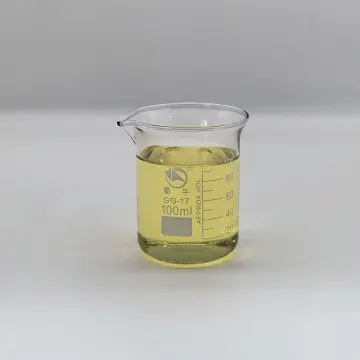
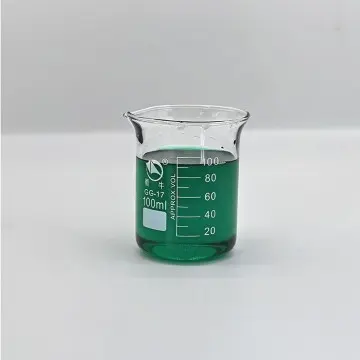
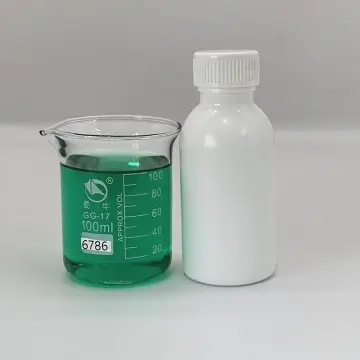
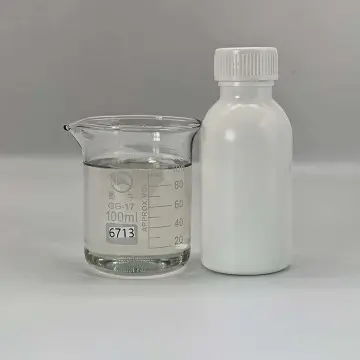

Answers to common technical questions regarding formulation chemistry, bath parameters, and application standards.
The Snake ushers in blessings as we bid the old year farewell; The Horse brings spring as we embark on a new journey. The New Year bell rings the prelude to progress, marking another milestone in Hiyie Chemical's expansion across European and Southeast Asian finishing markets.

Our Wuhan R&D lab has completed testing on our next-generation trivalent black passivator. Designed to meet automotive thermal-shock resistance standards, this formulation maintains its structural integrity and corrosion resistance at continuous operating temperatures up to 120°C.
To protect customers from raw material price fluctuations, Suzhou Hiyie Chemical has expanded its partnerships with domestic chromium and cobalt refiners. This vertical integration ensures a stable supply of raw materials and helps maintain consistent pricing for our global clients.
 HIYIE
HIYIE