Explore our premium range of zinc, copper, and nickel electroplating additives engineered to guarantee structural integrity, long-term corrosion resistance, and high-precision threading clearance.
In modern industrial assembly and infrastructure development, fasteners—primarily bolts, screws, and studs—serve as the critical load-bearing joints holding complex systems together. Under structural and environmental stress, these components face severe threats from oxidation and chemical exposure. Bolt zinc coating (galvanization and alloy electroplating) represents the industry’s most reliable, cost-effective defense against corrosion. This technical report examines the electrochemistry, chemical formulations, and global manufacturing standards that shape the modern fastener coating industry.
Zinc acts as a sacrificial anode. In the presence of moisture and corrosive electrolytes, zinc oxidizes prior to the steel substrate. Even if the coating is mechanically damaged, the galvanic coupling ensures the underlying steel remains protected from red rust. Modern formulations must balance this protection with precise thickness metrics to prevent thread binding.
Achieving a uniform, high-density zinc crystal structure on complex threaded profiles requires advanced chemical additive packages. Historically, cyanide-based baths provided uniform coverage but presented severe environmental hazards. The transition to acid-based and alkaline cyanide-free chemistries represents a major metallurgical milestone.
For applications exposing fasteners to extreme temperatures or high-chloride environments (such as marine installations and under-hood automotive systems), standard zinc coatings are increasingly replaced by Zinc-Nickel alloy electroplating. Depositing an alloy of 12-15% nickel content yields a gamma-phase crystalline structure that delivers up to five times the protection of standard zinc, easily surpassing 1000 hours of Neutral Salt Spray testing (ASTM B117) without red rust formation.
| Coating Chemistry Type | Avg. Thickness (μm) | Salt Spray Resistance (NSST to Red Rust) | Key Industrial Applications | Environmental Footprint |
|---|---|---|---|---|
| Alkaline Cyanide-Free Zinc | 8 – 15 | 240 – 480 Hours | Automotive hardware, electrical switchgears, general construction | Excellent (Non-cyanide, RoHS compliant) |
| Acid Bright Zinc | 5 – 12 | 120 – 240 Hours | Consumer electronics, decorative fasteners, light brackets | Good (Requires waste-water treatment for acid) |
| Alkaline Zinc-Nickel (12-15% Ni) | 8 – 15 | 1000+ Hours | Automotive chassis, marine hardware, aerospace components | Excellent (Replaces hazardous cadmium plating) |
| Electroless Nickel (High-P) | 10 – 25 | 800+ Hours | Semiconductor tooling, chemical processing valves, oil & gas bolts | Very Good (Lead/Cadmium-free formulations) |
A critical challenge in coating high-tensile fasteners (Class 10.9, 12.9, and above) is Hydrogen Embrittlement. During acid pickling and electrodeposition, atomic hydrogen migrates into the steel grain boundaries. Under tension, this causes catastrophic brittle failures. High-quality manufacturing mandates strict pre-treatment protocols and post-plating baking (at 200°C for 4 to 24 hours depending on fastener class) to drive out hydrogen prior to the application of passivation films like the 216 High Corrosion-resistant Iridescent Trivalent Zinc Passivation.
SUZHOU HIYIE CHEMICAL CO., LTD. stands at the forefront of chemical surface treatment innovation, developing specialized electroplating processes, passivation additives, and functional chemical sealers. Our diversified portfolio supports sectors ranging from consumer electronics and communication equipment to automotive hardware, semiconductor fabrication, and high-precision tooling.
Through robust collaboration with top domestic and international chemical enterprises alongside premier metallurgical research universities, Hiyie has established dedicated mobile R&D centers focused on solving engineering pain points. With strategic research operations located in Wuhan and Shanghai, and a sales network spanning the Pearl River Delta, Yangtze River Delta, and Bohai Rim regions, we provide localized support and customized formulations for global OEMs.
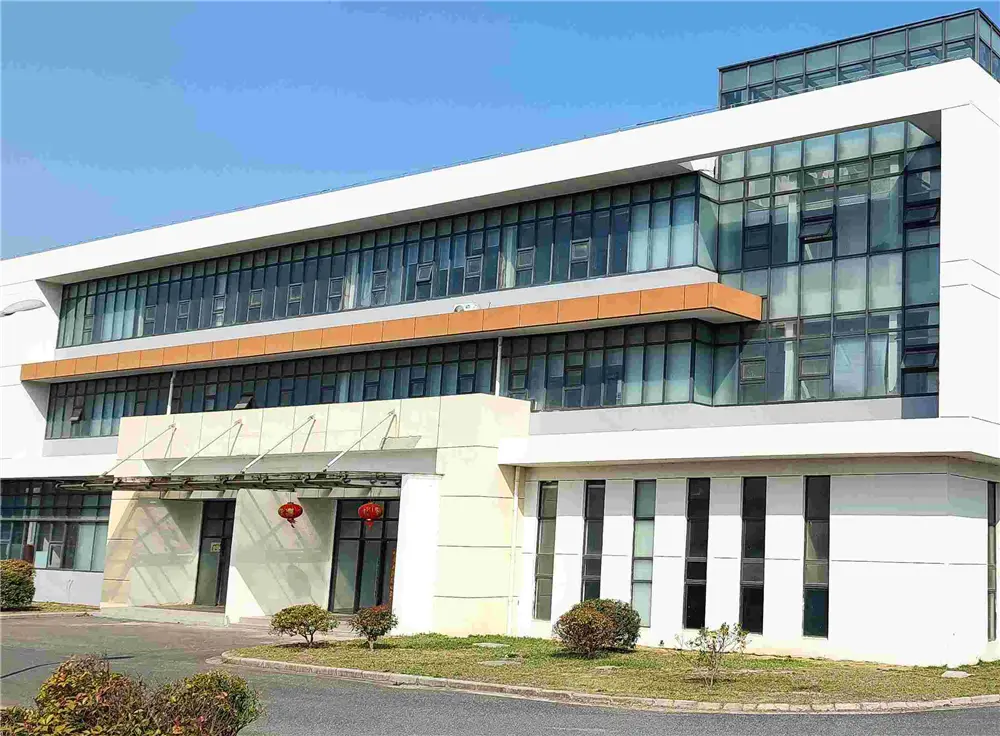
Our surface finishing chemical solutions are qualified and specified by industry-leading enterprises across diverse sectors. We engineer precision chemistries to fulfill rigorous quality audits.
Providing ultra-thin, highly uniform barrel plating systems for micro-fasteners used by Foxconn Technology Group. Focus on micro-thread integrity and strict dimensional tolerances.
Developing high-corrosion, cyanide-free zinc formulations for switchgears and electrical structural bolts utilized by the Chint Group, maintaining electrical conductivity and anti-oxidation properties.
Supplying high-wear resistant plating formulations to major tooling groups such as the Stanley Group and Hongbao Group, optimizing torque tension values and friction coefficients.
Collaborating with manufacturers like Shifeng Group to deliver high-thickness, heavy-corrosion-resistant zinc-nickel and passivation layers for agricultural machinery exposed to soils and fertilizers.
Our specific solutions are designed to optimize barrel and rack electroplating lines, ensuring high cathode efficiency and minimal maintenance overhead.
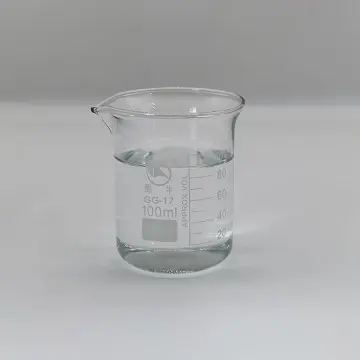
Exceptional sulfur-free deposition with highly ductile crystal structure, ideal for multilayer corrosion barrier setups.
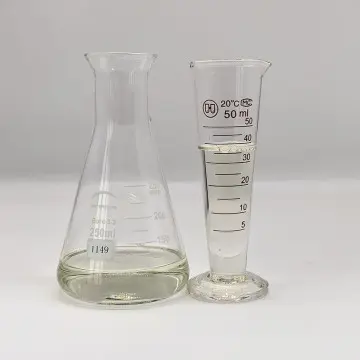
High throwing power designed specifically for bulk processing of fastener hardware, yielding high brightness fast.
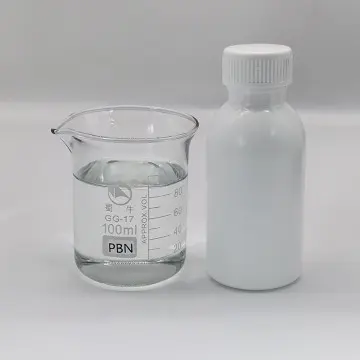
Produces an aesthetically superior satin/matte finish with uniform grain refinement, optimized for high-end consumer hardware.
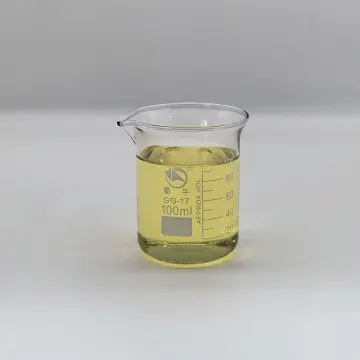
Designed for high-speed line operations, reducing process cycle times while maintaining bright finish and stress properties.
We combine advanced organic synthesis with application engineering to provide our clients with reliable, high-performance chemical systems.
We employ a dedicated engineering team, seasoned chemical technicians, and technical sales experts focused on tailoring processes to customer lines.
Our dual laboratories in Wuhan and Shanghai allow us to customize organic additives to meet customer-specific wear and corrosion specifications.
Our products are developed using green chemistry principles, eliminating hexavalent chromium and cyanide, while achieving superior salt spray results.
We provide full-lifecycle technical support, from initial bath configuration to regular chemical analysis and trouble-shooting.
Stay informed about Suzhou Hiyie’s technological advancements, seasonal events, and service network expansion plans.
As we step into a new season of innovation, the team at Suzhou Hiyie Chemical extends warm wishes to all our global partners. The New Year bells mark the start of new technological breakthroughs. Throughout 2026, we remain dedicated to refining our fastener coating chemistries and enhancing support across the Pearl River Delta, Yangtze River Delta, and Bohai Rim regions, helping you achieve cleaner, more efficient, and highly resistant finishes.
Expert answers to the most common engineering queries regarding surface finishes, coating thickness, and corrosion performance.
Alkaline Zinc-Nickel (Zn-Ni) alloy electroplating deposits 12-15% nickel content, forming a gamma-phase crystalline structure. This configuration provides far higher thermal resistance (up to 200°C) and mechanical wear resistance than standard acid zinc. While acid zinc yields faster deposition rates and higher gloss, Zn-Ni alloy delivers up to 5 times the corrosion protection, easily surpassing 1000 hours of Neutral Salt Spray testing (NSST) without red rust, making it the preferred choice for demanding automotive and aerospace environments.
During pre-plating acid cleaning and subsequent electrodeposition, atomic hydrogen can migrate into the metal grain boundaries of high-strength fasteners (especially class 10.9, 12.9, and higher). Under tension, this hydrogen causes sub-critical crack growth and sudden, brittle failure. To prevent this, fasteners must undergo hydrogen embrittlement baking—typically at 200°C for 4 to 24 hours—within 4 hours of plating, prior to the application of passivation films.
Hexavalent chromium (Cr6+) is a known human carcinogen and is heavily restricted globally by environmental regulations, including RoHS, REACH, and WEEE directives. Trivalent chromium (Cr3+) passivations, such as the 216 High Corrosion-resistant Iridescent Trivalent Zinc Passivation, provide a safer, compliant alternative. With advanced film-forming additives and organic sealers, trivalent passivations match or exceed the corrosion resistance of historical hexavalent processes.
Electroless nickel plating deposits a nickel-phosphorus alloy auto-catalytically, without requiring an external electric current. This guarantees complete uniformity of thickness on all internal geometries, complex blind holes, and threaded profiles, completely eliminating the dog-boning effect typical of electroplating. High-phosphorus formulations (10-12% P) also provide exceptional acid resistance and wear properties, ideal for chemical processing, oil & gas components, and semiconductor equipment.
Explore our targeted chemical formulations, engineered to resolve corrosion, wear, and thickness distribution challenges on global fastener manufacturing lines.
 HIYIE
HIYIE